

Imagine if your software could hear how someone feels, not just what they say. That is the magic of speech emotion AI. These platforms listen to tone, pitch, pace, and vocal energy. Then they tell you if a speaker sounds happy, upset, calm, stressed, or confused. It feels futuristic. But it is already here and transforming customer service, healthcare, sales, and more.
TLDR: Speech emotion AI tools analyze voice signals to detect tone and sentiment. They help businesses understand customers better and respond faster. From call centers to mental health apps, these platforms turn voice into emotional insight. Below are seven powerful tools that make speech sentiment analysis simple and accessible.
Let’s explore how they work and which platforms stand out.
What Is Speech Emotion AI?
Speech emotion AI uses machine learning and signal processing. It studies vocal patterns. Not just words. It looks at:
- Pitch
- Volume
- Speech rate
- Voice breaks
- Energy levels
It then maps these signals to emotional states. For example, a raised voice with fast pacing may signal anger. Slow speech with low pitch may suggest sadness.
This technology is widely used in:
- Customer support centers
- Virtual assistants
- Mental health monitoring apps
- Sales coaching tools
- Market research
Now let’s dive into seven of the best platforms available today.
1. Affectiva
Affectiva is a leader in emotion AI. It analyzes both voice and facial expressions. That gives deeper emotional context.

Why it stands out:
- Advanced emotion recognition models
- Real time tone analysis
- Works with video and audio
Businesses use Affectiva to improve customer experiences. For example, if a caller sounds frustrated, the system alerts an agent immediately. That means faster de-escalation.
It is powerful but often best suited for enterprise users.
2. Beyond Verbal
Beyond Verbal focuses purely on the vocal signals. It analyzes how something is said rather than what is said.
This makes it language independent. That is huge. It works across multiple languages without translation.
Key features:
- Real time emotional analytics
- API integration for apps
- Mood tracking capabilities
Healthcare and wellness apps love this platform. It can detect emotional shifts over time. That helps track mental well being.
If you want deep emotion insights without text analysis, this is a strong choice.
3. IBM Watson Tone Analyzer
IBM Watson is a big name in AI. Its Tone Analyzer tool examines tone in both text and speech.
It identifies tones such as:
- Joy
- Anger
- Fear
- Sadness
- Confidence
Watson works well in corporate settings. Many companies integrate it into chatbot systems. Some use it in HR tools. Others use it for employee feedback analysis.
It also provides strong documentation. That makes integration smoother for developers.
Watson is a safe, reliable option for large scale operations.
4. Microsoft Azure Speech Service
Microsoft Azure offers speech analysis as part of its Cognitive Services suite. It includes sentiment analysis and emotional tone detection.
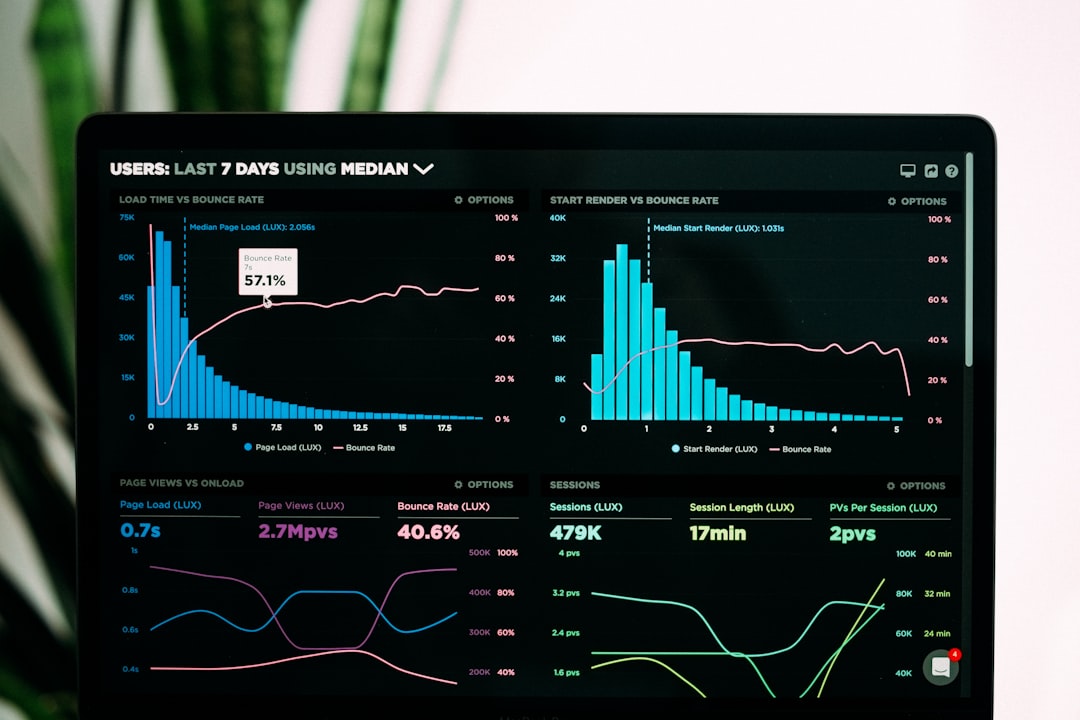
Why businesses choose Azure:
- Cloud based and scalable
- Works with other Microsoft tools
- Strong security standards
Call centers use Azure to transcribe conversations. Then they analyze both text and tone. Managers can spot patterns. Are customers often frustrated during billing calls? The data makes it clear.
Azure also supports multilingual speech processing. That is helpful for global teams.
5. Google Cloud Speech to Text with Sentiment Analysis
Google Cloud provides speech recognition tools combined with natural language sentiment analysis.
It converts voice into text. Then it analyzes emotional meaning.
Highlights:
- High accuracy transcription
- Fast processing speed
- Easy API access
While it focuses more on text sentiment than vocal tone, it still offers valuable emotional signals. It is excellent for:
- Social media monitoring
- Customer review analysis
- Virtual assistants
Developers love Google Cloud because it scales easily. Start small. Grow big.
6. Cogito
Cogito specializes in real time emotional intelligence for call centers. It acts like a live coach for agents.
During a call, Cogito listens quietly. It detects stress or frustration in the customer’s voice. Then it gives the agent subtle prompts.
For example:
- “Slow down.”
- “Show empathy.”
- “Let the customer finish speaking.”
This real time feedback changes conversations instantly.

Companies using Cogito often report:
- Higher customer satisfaction
- Shorter call times
- Less agent burnout
This platform is laser focused. It is perfect for high volume customer service teams.
7. Hume AI
Hume AI is known for expressive communication analysis. It blends psychology research with machine learning.
It detects nuanced emotional states. Not just happy or sad. But also:
- Admiration
- Relief
- Nervousness
- Excitement
This deeper emotional layering is powerful. It works well for:
- Interactive games
- Virtual companions
- Mental health tools
Hume also focuses heavily on ethical AI and transparency. That matters as emotion tracking becomes more widespread.
How to Choose the Right Platform
Picking the right tool depends on your goals.
Ask yourself:
- Do you need real time feedback?
- Will it analyze voice only or voice plus text?
- Is multilingual support important?
- Do you need enterprise level security?
- What is your budget?
If you run a call center, Cogito or Azure may fit best. If you build apps, Google Cloud or Beyond Verbal could be ideal. If you want advanced emotional research capabilities, Hume is exciting.
There is no one size fits all answer.
Benefits of Speech Emotion AI
Why is everyone talking about emotion detection?
Because emotions drive decisions.
Here are the big benefits:
- Better customer service – Agents respond smarter.
- Stronger sales performance – Understand buyer hesitation.
- Mental health insights – Track emotional well being.
- Improved user experience – Adaptive technology feels human.
- Data driven decisions – Emotions become measurable metrics.
In short, businesses stop guessing how people feel.
Challenges to Keep in Mind
This technology is impressive. But it is not perfect.
Here are some challenges:
- Accents may affect accuracy.
- Cultural differences influence tone interpretation.
- Background noise can distort results.
- Privacy concerns must be handled carefully.
Companies should always be transparent. Users should know when emotion AI is active. Ethical AI practices are critical.
The Future of Emotion AI
Speech emotion AI is still evolving. Fast.
Future systems will likely:
- Combine voice, facial expression, and body language
- Offer hyper personalized responses
- Detect emotional shifts in real time conversations
- Integrate into everyday devices
Imagine smart homes that sense stress in your voice. Or virtual therapists that detect subtle sadness cues.
That future is closer than you think.
Final Thoughts
Speech emotion AI platforms are changing the way machines understand humans. They listen beyond words. They detect tone. They uncover sentiment.
From enterprise giants like Microsoft and IBM to specialized tools like Cogito and Hume, there are options for every need.
The key is simple. Define your goal. Choose a platform that fits. Start small if needed.
Because when technology understands emotion, communication becomes smarter. And a little more human.