
In an increasingly competitive digital landscape, software products cannot rely solely on feature depth to win users. Clear, structured, and engaging onboarding has become just as important as the product itself. This is where product tour tools for guided experiences play a transformative role. These tools help organizations introduce users to features, reduce friction, and accelerate time-to-value through interactive, contextual guidance built directly into applications.
TLDR: Product tour tools enable companies to guide users through software with interactive, contextual walkthroughs that improve onboarding and adoption. They reduce churn, shorten learning curves, and help users discover value faster. The best tools combine personalization, analytics, and non-intrusive design. Implemented thoughtfully, product tours are a strategic investment in user success and long-term growth.
Modern users expect intuitive digital experiences. When they encounter confusion or friction, they rarely consult manuals—instead, they leave. Guided experiences bridge this gap by delivering step-by-step support within the actual interface. Rather than overwhelming users with information, product tour tools reveal features progressively, exactly when they are needed.
What Are Product Tour Tools?
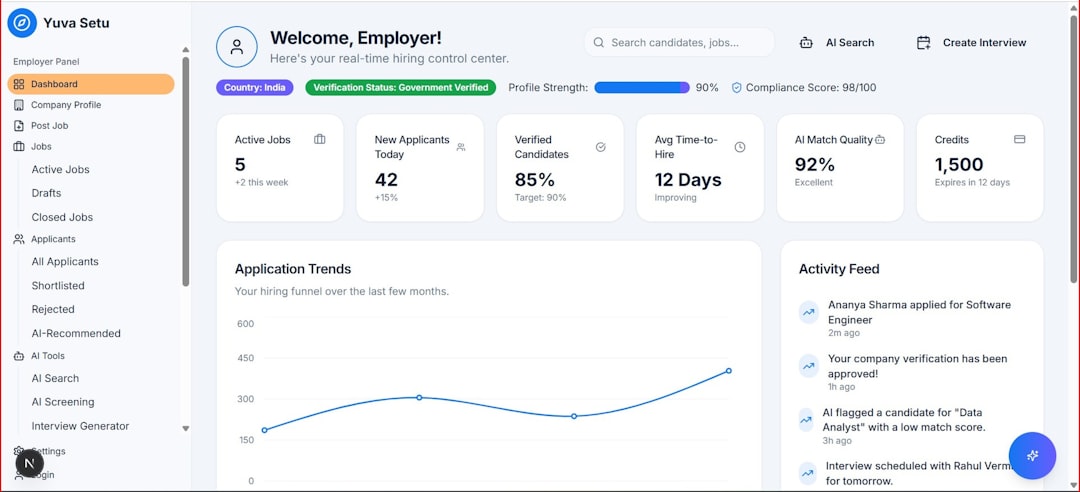
Product tour tools are software solutions that allow companies to create interactive, in-app guidance without extensive coding. These tours typically include tooltips, modals, checklists, hotspots, and walkthrough sequences that guide users through workflows.
Unlike static help documentation, product tours are:
- Contextual – Triggered based on user behavior or stage in the journey
- Interactive – Encouraging users to click, explore, and complete actions
- Targeted – Customized for specific user roles or segments
- Measurable – Tracked with analytics to assess engagement and completion
Their primary goal is to ensure users recognize value as quickly as possible. In many SaaS environments, this “time-to-first-value” metric directly impacts retention and customer lifetime value.
Why Guided Experiences Matter More Than Ever
As digital products grow more sophisticated, feature sets expand. While powerful, complexity increases cognitive load for new users. Without structured onboarding, even well-designed platforms can feel overwhelming.
Guided experiences address several core challenges:
1. Reducing User Friction
Users often abandon products during the first interaction if they encounter confusion. Product tours reduce uncertainty by clearly highlighting the next step.
2. Increasing Feature Adoption
Many features remain underutilized simply because users are unaware of them. Carefully timed tooltips and feature announcements increase discovery rates.
3. Improving Retention
When users quickly experience success, they are more likely to return. Guided experiences help create early wins that reinforce engagement.
4. Lowering Support Costs
Interactive onboarding reduces the need for repetitive customer support interactions by proactively addressing common questions.
Organizations increasingly view product tours not as a convenience feature but as a strategic driver of growth.
Core Components of Effective Product Tour Tools
Not all guided experiences deliver results. The effectiveness of a product tour depends on both its design and its technical capabilities. High-quality product tour tools typically provide:
- No-code or low-code builders for rapid deployment
- User segmentation based on behavior, role, or lifecycle stage
- Event-based triggers that respond to real-time actions
- A/B testing capabilities for optimization
- Detailed analytics dashboards
These features enable teams across product, marketing, and customer success to collaborate effectively. Instead of relying entirely on engineering resources, non-technical teams can create and modify tours quickly.
Types of Guided Experiences
Guided experiences can take many forms depending on objectives and user maturity. The most common formats include:
Interactive Walkthroughs
Step-by-step sequences that guide users through essential workflows. These are particularly useful for first-time login experiences.
Tooltips and Hotspots
Small contextual prompts that introduce specific features without interrupting workflow. They are ideal for feature education over time.
Onboarding Checklists
Progress-based tasks that encourage users to complete key actions. Checklists gamify onboarding and create psychological momentum.
Embedded Microlearning
Short tips, videos, or interactive hints embedded directly within interfaces to support continuous learning.
Best Practices for Designing Product Tours
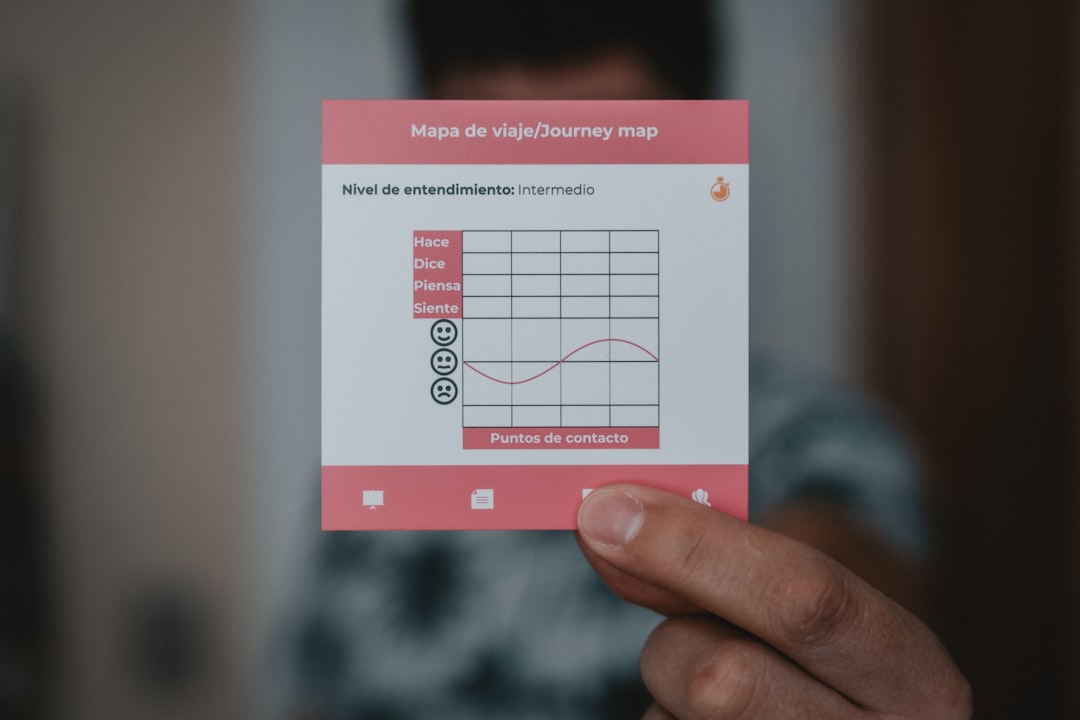
A product tour must enhance the experience rather than disrupt it. Overly long, forced, or irrelevant tours can create frustration. The following best practices help maintain balance:
Prioritize Value Over Volume
Avoid introducing every feature at once. Focus on guiding users toward core value-driving actions.
Make Tours Optional
Experienced users may not need guidance. Providing the option to skip or revisit tours demonstrates respect for user autonomy.
Use Progressive Disclosure
Reveal advanced features gradually. Overexposure creates cognitive overload.
Maintain Visual Consistency
Tours should feel native to the application. Matching typography, colors, and tone ensures professionalism and credibility.
Continuously Analyze Performance
Track completion rates, drop-off points, and feature adoption metrics. Iteration is essential for maintaining relevance.
Metrics That Define Success
Measuring the impact of guided experiences is essential for improvement and demonstrating ROI. Key performance indicators include:
- Activation rate – Percentage of users completing key onboarding milestones
- Tour completion rate – How many users finish guided sequences
- Feature adoption rate – Usage growth after implementing tours
- Customer retention rate
- Reduction in support tickets
When product tours are properly optimized, organizations often observe measurable increases in short-term engagement and long-term retention.
Personalization and AI in Guided Experiences
Emerging capabilities in artificial intelligence and behavioral analytics are enhancing product tour tools significantly. Rather than offering static walkthroughs, modern systems can now:
- Adapt tours based on usage patterns
- Trigger guidance only when friction is detected
- Recommend features aligned with user goals
- Automate segmentation dynamically
This move toward intelligent onboarding reflects a broader trend in user experience design: proactive support rather than reactive troubleshooting.
Common Implementation Challenges
While product tour tools offer clear advantages, implementation requires careful planning. Some common challenges include:
Overcomplicating Onboarding
Too many layered tours can overwhelm users. Strategic prioritization is necessary.
Lack of Alignment Across Teams
Product, marketing, and customer success must share a unified onboarding vision. Disjointed messaging reduces clarity.
Insufficient Testing
Tours must be tested across devices and user roles to ensure consistency and accessibility.
Neglecting Updates
As the core product evolves, tours must evolve alongside it. Outdated guidance erodes trust.
Organizations that treat guided experiences as an ongoing process rather than a one-time setup tend to achieve superior results.
The Business Case for Product Tour Tools
From a strategic perspective, product tour tools influence multiple areas of business performance:
- Marketing – Strengthens trial-to-paid conversion rates
- Product – Improves feature utilization insights
- Customer Success – Enhances onboarding efficiency
- Executive Leadership – Supports revenue growth and churn reduction
In subscription-based models, small improvements in retention can produce substantial long-term revenue gains. Guided onboarding serves as one of the most cost-effective levers for achieving that improvement.
Looking Ahead
The next generation of product tour tools will likely integrate even deeper behavioral intelligence, predictive guidance, and cross-platform consistency. As digital ecosystems expand across web, mobile, and desktop environments, seamless guided experiences will become standard expectations rather than differentiators.
Companies that invest in thoughtful, data-driven onboarding today position themselves for long-term success. They demonstrate respect for user time, reduce friction, and reinforce trust at every interaction.
Product tour tools for guided experiences are not merely instructional overlays—they are instruments of strategic communication. When designed with clarity and purpose, they transform complexity into clarity and curiosity into sustained engagement. In a world where user patience is limited, that transformation is not optional; it is essential.