

Modern software products face a critical challenge: acquiring users is expensive, but failing to help them succeed is even more costly. Without a structured onboarding experience, many new users abandon applications before realizing their value. User onboarding software has emerged as a strategic solution to guide customers through early interactions, shorten time to value, and ultimately improve product adoption.
TLDR: User onboarding software helps businesses guide new users through products more effectively, reducing friction and increasing long-term adoption. By delivering contextual tutorials, interactive walkthroughs, and personalized guidance, companies shorten time to value and improve retention rates. The most successful onboarding strategies are data-driven, continuously optimized, and aligned with real user behavior. Investing in professional onboarding tools leads to measurable gains in engagement, satisfaction, and revenue.
User adoption is not simply about whether customers sign up; it is about whether they integrate a product into their daily workflows. Organizations that treat onboarding as a structured, measurable process consistently outperform those that rely on static help documentation or one-time welcome emails.
Why User Adoption Fails Without Structured Onboarding
Many companies assume that if a product is intuitive, users will naturally understand its value. In reality, even well-designed software can overwhelm first-time users. The main causes of poor adoption include:
- Information overload during first login
- Lack of contextual guidance at key decision points
- Unclear value propositions tied to user goals
- No personalization for different user roles
- Limited feedback loops to detect user frustration
User onboarding software directly addresses these challenges by embedding guided experiences into the product itself. Rather than expecting users to search for help, onboarding tools proactively provide support at the moment it is needed.
What Is User Onboarding Software?
User onboarding software is a platform or system designed to guide users through a product’s features and workflows in a structured, interactive manner. Unlike static tutorials or external knowledge bases, onboarding software operates within the application interface.
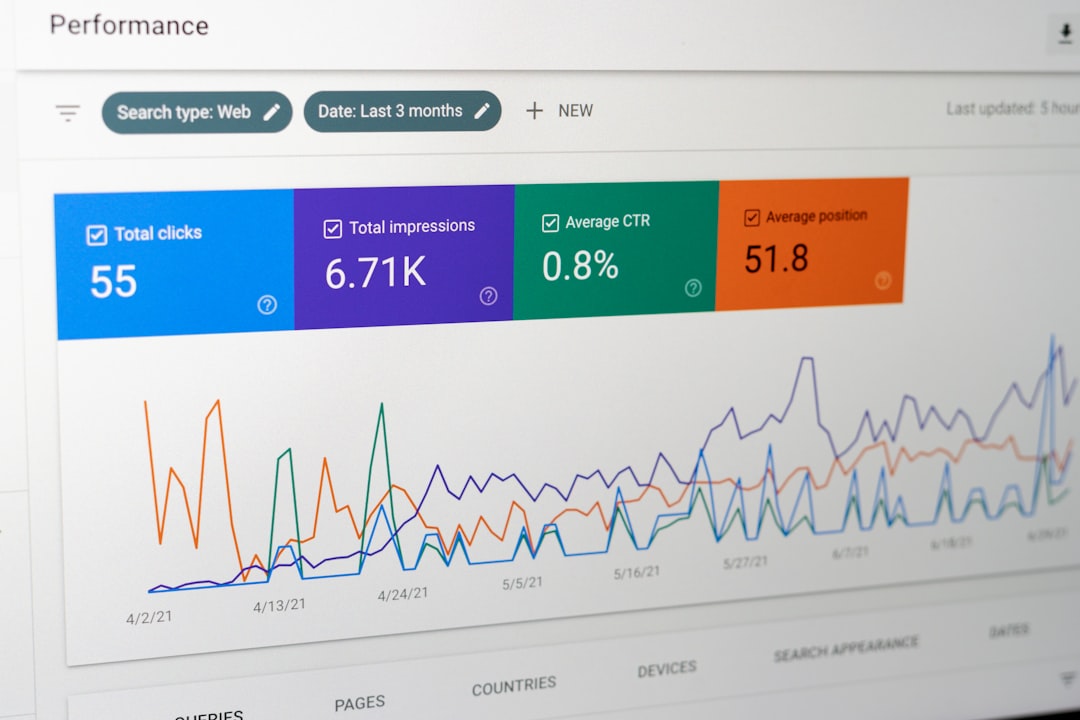
Core capabilities often include:
- Interactive product tours
- Step by step walkthroughs
- In app tooltips and prompts
- Progress tracking and checklists
- User segmentation and personalization
- Behavior based triggers
- Analytics and performance reporting
These features combine to create a guided path toward product mastery. Instead of presenting every feature immediately, onboarding software reveals functionality gradually, based on user needs and actions.
The Business Impact of Effective Onboarding
Effective onboarding is directly linked to measurable business outcomes. Companies that invest in optimizing onboarding frequently report improvements across several critical metrics:
- Higher activation rates — More users complete key setup steps
- Reduced churn — Early confusion does not escalate into abandonment
- Increased feature adoption — Advanced functionality gains traction
- Shorter sales cycles — Prospects see value faster during trials
- Improved customer lifetime value
The logic is straightforward. When users achieve meaningful results quickly, they are more likely to continue using the product. Onboarding reduces uncertainty and accelerates the “aha moment” when users recognize tangible value.
Key Components of High Performing Onboarding Strategies
Deploying onboarding software alone is not enough. To improve adoption meaningfully, organizations must structure onboarding around clear objectives and measurable milestones.
1. User Segmentation
Different users have different goals. A system administrator and a marketing analyst, for example, may use the same product differently. Effective onboarding software enables segmentation based on:
- Role
- Industry
- Company size
- Experience level
- Behavioral signals
Segmented onboarding ensures that each user sees relevant guidance rather than generic tutorials.
2. Time to Value Optimization
The faster users achieve their first success, the higher the probability of adoption. Onboarding flows should focus on helping users complete the one or two actions most closely tied to core value.
This often involves:
- Removing nonessential steps
- Providing preconfigured templates
- Highlighting primary next actions
- Tracking completion milestones
3. Progressive Feature Discovery
Introducing all features at once overwhelms users. Progressive disclosure allows advanced features to appear only after core workflows are understood.

This staged approach reduces cognitive load while encouraging deeper exploration over time.
4. Data Driven Iteration
Professional onboarding software provides analytics that reveal:
- Drop off points in guided tours
- Incomplete setup processes
- Features ignored by new users
- Average time to activation
By reviewing this data regularly, teams can refine walkthroughs, simplify flows, and experiment with improvements. Onboarding becomes an evolving system rather than a static checklist.
Reducing Friction Through Contextual Support
One of the most powerful aspects of onboarding software is contextual guidance. Rather than redirecting users to external documentation, in app prompts deliver assistance at precisely the moment confusion arises.
Examples include:
- Tooltips that explain form fields
- Inline validation messages to prevent errors
- Micro tutorials triggered after inactivity
- Context based knowledge suggestions
This model aligns with modern user behavior. Most users prefer to stay within the workflow rather than opening separate help articles or contacting support.
Supporting Long Term Adoption Beyond Initial Login
True adoption extends beyond initial setup. Many products struggle not because users fail to sign up, but because they fail to explore advanced features.
User onboarding software can support long term engagement by:
- Introducing secondary features weeks after signup
- Encouraging integration with third party systems
- Highlighting efficiency shortcuts
- Offering in app announcements for updates

By monitoring feature usage patterns, companies can identify stagnation and introduce targeted prompts to re engage users before churn becomes likely.
The Role of Onboarding in SaaS Growth
For subscription based businesses, onboarding has strategic importance. Customer acquisition costs are often high, and payback periods depend on retention.
Improved onboarding directly reduces risk by ensuring that customers who sign up are more likely to remain active subscribers. In competitive markets, even small improvements in onboarding performance can lead to substantial revenue gains over time.
Moreover, strong onboarding experiences increase the likelihood of:
- Positive reviews
- Word of mouth referrals
- Expansion within larger organizations
- Upselling to premium plans
Common Mistakes to Avoid
Despite good intentions, organizations often undermine their onboarding efforts. Common mistakes include:
- Overcomplicating walkthroughs with too many steps
- Forcing mandatory tours without a skip option
- Ignoring mobile or device variations
- Neglecting accessibility standards
- Failing to test updated features after product changes
A disciplined approach treats onboarding like any other core feature: regularly tested, optimized, and aligned with user feedback.
Measuring Onboarding Success
Evaluation is essential to justify investment and guide improvement. The most reliable metrics include:
- Activation rate — Percentage of users completing key actions
- Time to first value — Average time until meaningful outcome
- User retention rate over 30, 60, or 90 days
- Feature adoption rate
- Support ticket volume related to onboarding
Advanced onboarding platforms allow teams to run controlled experiments, comparing different guidance flows to determine which performs best.
The Future of User Onboarding Software
As digital products become more sophisticated, onboarding software is evolving accordingly. Emerging trends include:
- Behavior predictive guidance using machine learning
- Real time personalization based on usage patterns
- Conversational onboarding assistants
- Cross platform onboarding continuity between web and mobile
These innovations will enable even more precise user support, reducing friction while increasing independence.
Conclusion
User onboarding software is no longer optional for growth oriented organizations. It is a core component of product strategy and customer success. By guiding users deliberately through initial interactions and beyond, businesses can transform early engagement into long term adoption.
Effective onboarding shortens time to value, reduces churn, increases feature usage, and strengthens overall customer satisfaction. Companies that treat onboarding as a measurable, continuously optimized system position themselves for sustainable growth in increasingly competitive markets.
In a software landscape where attention is limited and alternatives are abundant, structured onboarding is one of the most reliable methods for turning new users into committed, long term customers.