
The greatest F1 driver of all time is not decided by trophies alone; the fairest answer usually puts Michael Schumacher, Lewis Hamilton, Ayrton Senna, Juan Manuel Fangio, Alain Prost, and Max Verstappen in the same elite debate. Formula 1 has changed too much for a simple ranking to satisfy everyone. Cars, safety, calendars, points systems, team budgets, and fitness standards have all shifted. Still, greatness tends to show up in the same ways: speed, race craft, consistency, pressure control, and the ability to bend a team around winning.
TLDR: F1 legends and modern F1 drivers should be compared by era-adjusted dominance, not raw statistics alone. For example, Fangio won 46.15% of the races he entered, while Hamilton owns more than 100 race wins across a much longer calendar era. A new fan watching five classic races and five recent races would likely see Senna’s raw aggression, Schumacher’s control, and Verstappen’s precision as different versions of the same rare gift. The best shortlist is not one name, but a top tier.
Why Comparing F1 Eras Is So Hard
Formula 1 has never stood still. A driver from the 1950s faced deadly circuits, weak safety gear, and cars that could fail without warning. A modern driver faces hybrid systems, tire management, simulator preparation, strict track limits, and races decided by fractions of a second.
It drives many fans crazy that raw win counts are often thrown around without context. A modern season can have more than 20 races. Fangio’s title seasons sometimes had fewer than ten championship rounds. That alone makes direct stat comparisons messy.
Modern F1 drivers also race in a world of data. Engineers monitor steering, braking, energy use, tire temperatures, and throttle traces in real time. Legends relied more on feel, courage, and mechanical sympathy. Neither version is easy. They are just different forms of pressure.
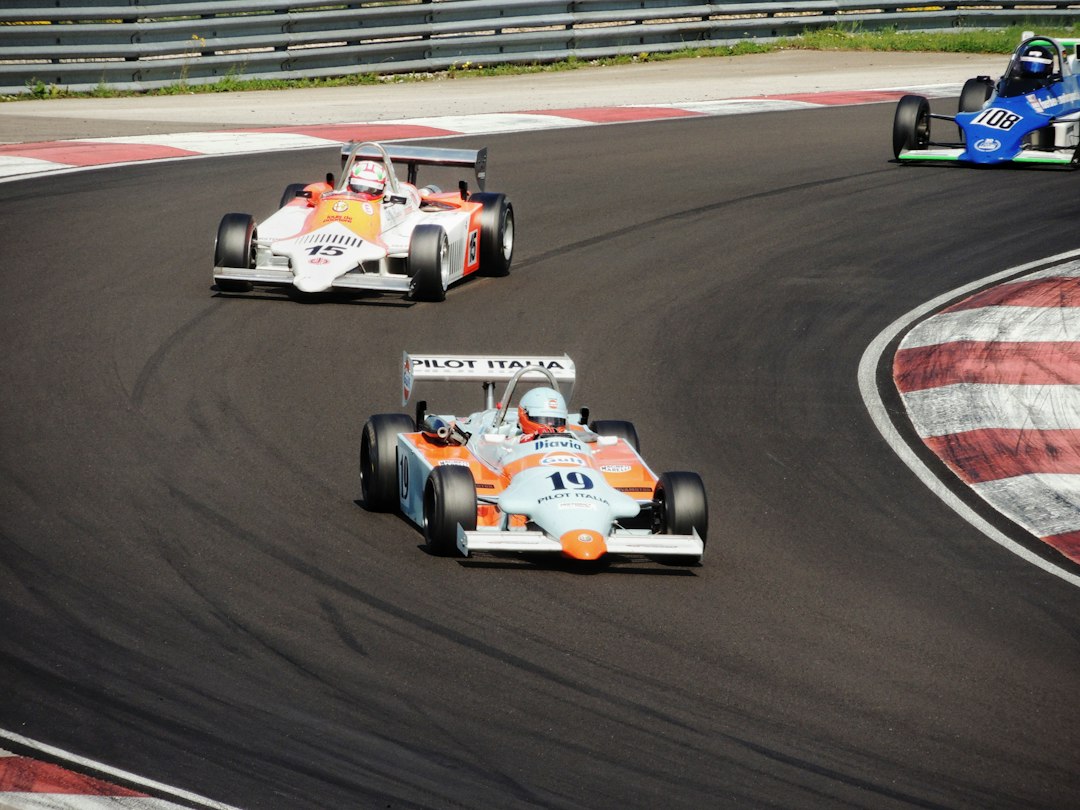
The Legends: Fangio, Clark, Lauda, Prost, Senna, Schumacher
Juan Manuel Fangio remains the gold standard for era dominance. He won five world titles with four different teams. His winning percentage is still staggering. He did it when one mistake could cost far more than points. Fangio’s claim rests on purity: few races, brutal risk, massive success.
Jim Clark is often the purist’s pick. He was smooth, quick, and absurdly adaptable. Clark won in F1, sports cars, touring cars, and at the Indianapolis 500. His career was cut short, which leaves the usual question hanging. How high would his numbers have gone?
Niki Lauda brought intellect and steel. His comeback after the 1976 Nürburgring crash remains one of the sport’s most famous stories. Lauda was not just brave. He was clinical. He understood car setup, risk, and politics in a way few drivers ever have.
Alain Prost, known as “The Professor,” made speed look simple. He rarely wasted energy. He thought in championships, not highlights. His battles with Senna created one of F1’s defining rivalries. Prost’s greatness sits in efficiency, timing, and restraint.
Ayrton Senna had the aura. His qualifying laps were violent poetry. Monaco 1988 still feels unreal to many fans. Senna’s wet-weather drives, especially Donington 1993, built a myth that statistics alone cannot hold. His style was emotional, spiritual, and ruthless.
Michael Schumacher changed the professional standard. He blended fitness, testing, technical feedback, and relentless commitment. Ferrari had not won a drivers’ title since 1979 before Schumacher led the team into a red empire. His seven championships made him the measuring stick for a generation.
The Modern Greats: Hamilton, Alonso, Vettel, Verstappen
Lewis Hamilton owns the strongest statistical case. His wins, poles, podiums, and seven titles place him at the front of any serious debate. He has won in dominant cars and dragged weaker cars above expectation. His longevity is remarkable. So is his one-lap speed.
Fernando Alonso is the great “what if” of the modern era. Two titles do not fully reflect his level. He has often carried cars that had no business fighting near the front. His race intelligence, defensive driving, and adaptability keep him in elite conversations even late in his career.
Sebastian Vettel dominated the early 2010s with Red Bull. His four straight titles were not accidents. He mastered blown diffusers, qualifying rhythm, and race starts. His later Ferrari years added complexity to his legacy, but his peak remains one of the highest in F1 history.
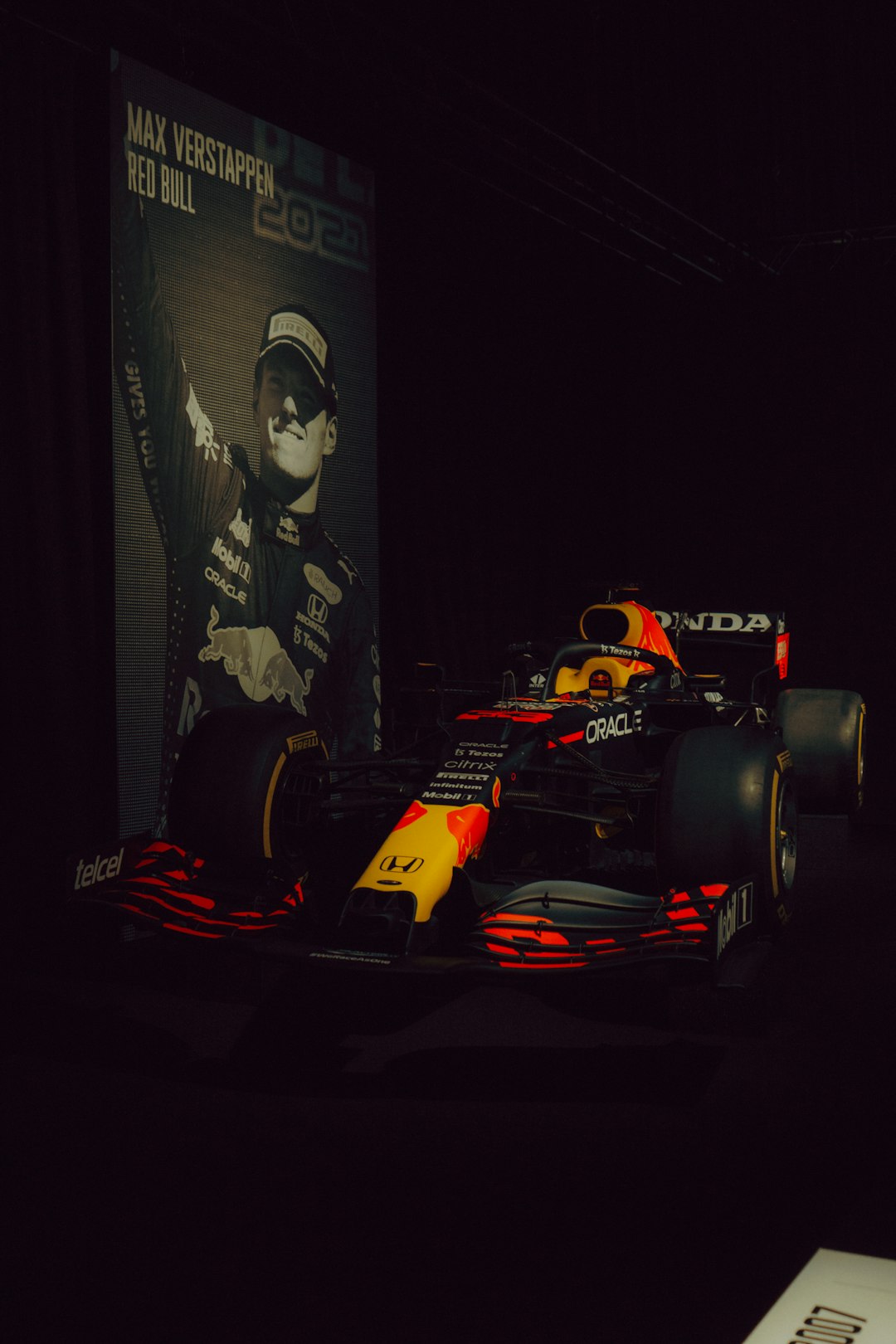
Max Verstappen represents the current standard. His speed is immediate. His control is intimidating. Since his teenage debut, he has shown a rare ability to attack without needing much adjustment time. His peak seasons have been marked by huge win totals and crushing consistency.
Legends vs Modern Drivers: What Really Separates Them?
- Risk: Earlier drivers faced far greater physical danger. Fatal accidents were common. Modern drivers still take risks, but safety has improved massively.
- Preparation: Modern drivers train like Olympic athletes. Nutrition, neck strength, reaction drills, and simulator work are standard.
- Car control: Legends handled less stable cars with manual gearboxes, poor brakes, and less grip. Modern cars are faster but more complex.
- Competition depth: Modern grids are usually closer in baseline skill. Junior categories and data analysis filter talent earlier.
- Calendar size: Modern drivers have more chances to win, but also more chances to make mistakes under public scrutiny.
Honestly, it feels like some debates waste time by pretending one era was “easy.” Fangio did not have energy deployment maps. Hamilton did not race at Spa in a leather cap. Senna did not have a modern simulator. Verstappen did not build his reputation in an age where mechanical failure could end half the grid. Each era asks different questions.
A Fair Top Tier of All Time
A strict ranking will always upset someone. Still, a fair top tier can be built around impact and dominance.
- Michael Schumacher: Seven titles, Ferrari revival, unmatched work ethic in his prime.
- Lewis Hamilton: Record-breaking numbers, long elite peak, brilliant qualifying and race craft.
- Ayrton Senna: Supreme qualifying speed, wet-weather genius, huge cultural impact.
- Juan Manuel Fangio: Five titles in a deadly age, extraordinary win rate.
- Alain Prost: Four titles, master strategist, one of the smartest racers ever.
- Max Verstappen: Already a historic force, with time to climb higher.
Other names deserve serious respect. Jim Clark, Niki Lauda, Jackie Stewart, Nelson Piquet, Fernando Alonso, Sebastian Vettel, Mika Häkkinen, Nigel Mansell, and Alberto Ascari all have strong cases. The sport’s history is too rich for one tidy list.
Image not found in postmetaSo Who Is the Greatest?
If the answer must be one driver, Michael Schumacher and Lewis Hamilton offer the most complete statistical arguments. Schumacher reshaped Ferrari and set a new standard for total commitment. Hamilton matched seven titles and pushed the record book further than anyone expected.
If the answer is about peak magic, Ayrton Senna may still stand tallest. If it is about dominance against danger, Juan Manuel Fangio has a claim no one can ignore. If the question is about the current benchmark, Max Verstappen is the driver every rival is measured against.
The best answer is tiered. F1 has no single mountain. It has several summits, built in different eras, under different rules, with different machines. The legends built the myth of Formula 1. Modern F1 drivers have expanded its limits.
FAQ
-
Who is statistically the greatest F1 driver?
Lewis Hamilton has the strongest statistical case, with record totals in wins, poles, and podiums, plus seven world championships. -
Why is Ayrton Senna often called the greatest?
Senna is praised for his qualifying speed, wet-weather skill, intensity, and iconic performances, especially at Monaco and Donington. -
Was Fangio better than modern F1 drivers?
Fangio cannot be compared directly by raw numbers, but his win rate and five titles in a dangerous era make him one of the greatest ever. -
Can Max Verstappen become the greatest of all time?
Yes. Verstappen already has the pace, titles, and dominance. His final ranking will depend on longevity and how he performs across rule changes. -
Are modern F1 drivers more skilled than legends?
Modern drivers are more prepared physically and technically. Legends often needed more instinctive car control and accepted far higher danger.