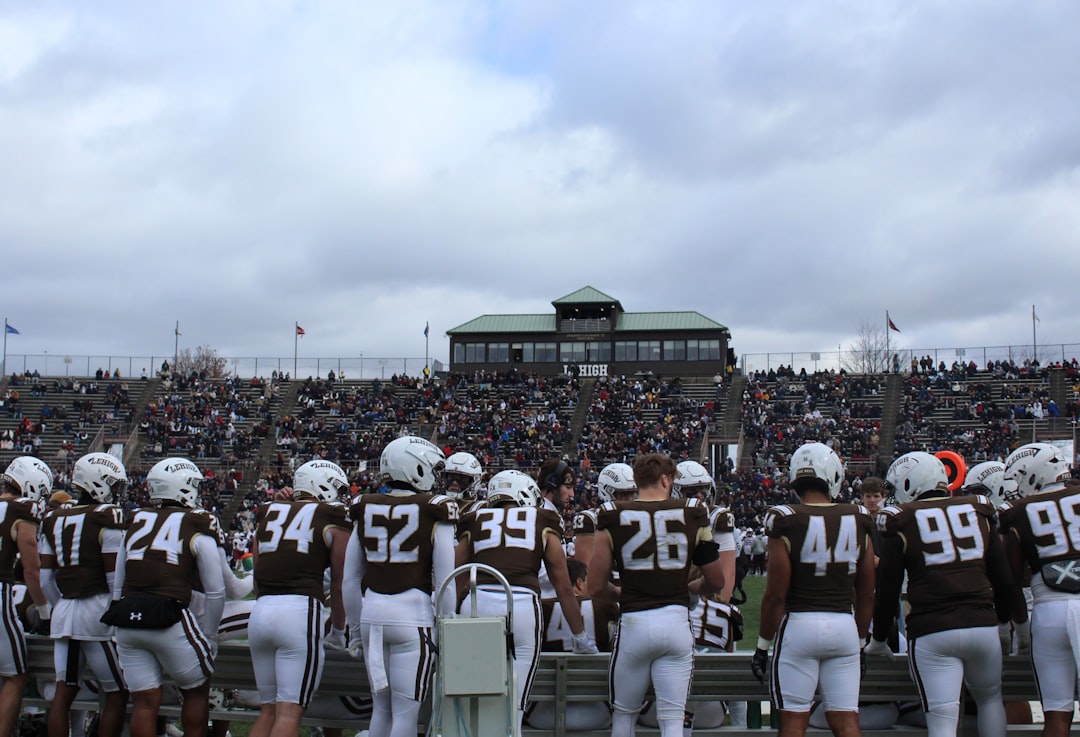

When North Dakota and Nebraska are compared on the football field, the matchup is less about a long rivalry and more about contrasting program profiles. Nebraska represents a historic Power Five brand with national titles, a massive fan base, and Big Ten resources. North Dakota, meanwhile, is a respected FCS program that has built its identity around physical play, disciplined coaching, and the ability to challenge opponents that underestimate it.
TLDR: Nebraska holds the clear historical and structural edge in this matchup because of its FBS status, depth, facilities, and recruiting reach. North Dakota’s best path is to keep the game close early, control tempo, and force Nebraska into mistakes. The key areas to watch are line play, explosive plays, and turnover margin. A competitive first half is possible, but Nebraska should be favored to win if it protects the football.
Head-to-Head History
The head-to-head history between North Dakota and Nebraska is limited, which is important when evaluating this matchup. These are not traditional rivals, and they do not share a conference, a recruiting footprint, or a regular scheduling pattern. Nebraska competes at the FBS level in the Big Ten, while North Dakota plays at the FCS level in the Missouri Valley Football Conference, one of the strongest leagues in the subdivision.
The most notable modern meeting came in 2022, when Nebraska hosted North Dakota in Lincoln. Nebraska won 38-17, but the game was more competitive than the final score immediately suggests. North Dakota showed toughness and organization, particularly in stretches where it moved the ball and challenged Nebraska’s defense. However, Nebraska’s athletic depth and ability to finish drives ultimately separated the teams.
That result fits the broader pattern of FBS vs FCS games. The FCS team may have the coaching, experience, and toughness to create pressure, but the FBS roster usually has more high-end speed, size, and depth across four quarters. For North Dakota, the historical takeaway is encouraging in terms of competitiveness. For Nebraska, the lesson is clear: these games must be handled professionally, because allowing an FCS opponent confidence can make the contest uncomfortable.

Program Comparison
Nebraska is one of college football’s most recognizable programs. The Cornhuskers have a national championship tradition, a long history of elite offensive line play, and one of the most loyal fan bases in the sport. Even during less dominant eras, Nebraska’s expectations remain high. The program’s resources, NIL opportunities, facilities, and exposure give it advantages that most FCS programs cannot match.
North Dakota, however, should not be dismissed simply because of its subdivision. The Fighting Hawks are part of a demanding FCS environment and regularly face opponents that play physical, efficient football. North Dakota’s identity is usually built around smart game management, solid fundamentals, and winning situational football. Against a larger program like Nebraska, that profile matters because heavy underdogs often need discipline more than flash.
- Roster depth: Nebraska has the advantage, especially along the offensive and defensive lines.
- Quarterback pressure: North Dakota must create disruption without sacrificing coverage discipline.
- Special teams: Field position can be crucial if North Dakota wants to shorten the game.
- Game environment: Memorial Stadium gives Nebraska one of the strongest home-field advantages in college football.
The biggest difference is not necessarily in coaching quality or effort. It is in the accumulation of advantages: more scholarship depth, more rotational bodies, greater straight-line speed, and a larger margin for error. Nebraska can survive a few imperfect series. North Dakota likely cannot afford many empty possessions, missed tackles, or special teams breakdowns.
Offensive Matchup
Nebraska’s offense is typically expected to dictate terms in this type of matchup. The Cornhuskers should want to establish the run, use tempo when appropriate, and force North Dakota’s defense to defend the entire width of the field. If Nebraska’s offensive line controls early downs, the playbook opens up quickly. That allows play-action passing, quarterback movement, and shots downfield.
For North Dakota, the defensive goal is not simply to stop everything. It is to make Nebraska earn long drives. The Fighting Hawks must tackle cleanly, limit yards after contact, and avoid giving up explosive plays on missed assignments. A bend-but-don’t-break approach can work if it forces field goals instead of touchdowns.
North Dakota’s offense has a different challenge. It must be efficient enough to keep its defense rested. Sustained drives are essential, even if they do not always end in touchdowns. Short passes, inside runs, screens, and controlled quarterback movement can help neutralize Nebraska’s size advantage. Falling behind the chains, however, would be dangerous. Obvious passing downs allow Nebraska’s pass rush and coverage talent to take over.
Defensive Matchup
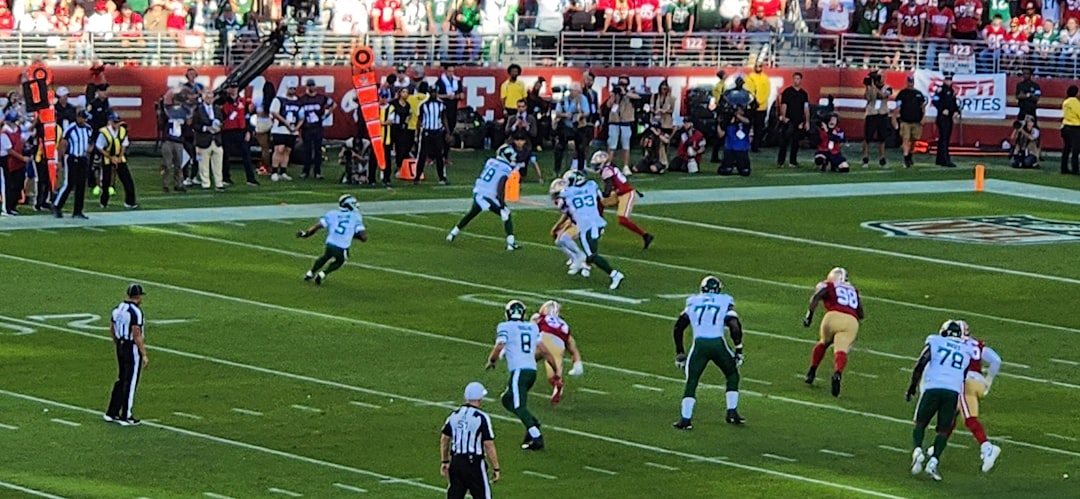
Nebraska’s defense should have a physical edge at the point of attack. The Cornhuskers can rotate more bodies, maintain energy, and challenge North Dakota with speed at linebacker and in the secondary. Their priority should be to eliminate easy completions, win first down, and force North Dakota into third-and-long situations.
Still, Nebraska must avoid impatience. FCS opponents often rely on misdirection, timing, and formation variety to manufacture favorable looks. If Nebraska defenders overpursue or lose eye discipline, North Dakota can create chunk gains. The Cornhuskers’ defense should be aggressive, but controlled aggression is the key.
North Dakota’s defense must focus on situational execution. Red-zone defense, third-down stops, and early turnover chances could determine whether the game stays tight. If the Fighting Hawks can force Nebraska into field goals, the pressure shifts slightly toward the favorite. If Nebraska scores touchdowns on its first few opportunities, the game script becomes much more difficult for North Dakota.
Key Matchups to Watch
- Nebraska offensive line vs North Dakota front seven: This is the most important matchup. If Nebraska runs efficiently, it controls the game. If North Dakota creates penetration, it can slow the pace and create doubt.
- North Dakota quarterback vs Nebraska pressure: The Fighting Hawks need calm decision-making. Avoiding sacks and turnovers is more valuable than forcing ambitious throws.
- Explosive plays: Nebraska’s athletic advantage could show up in long runs, deep passes, or returns. North Dakota must make Nebraska drive the field.
- Turnover margin: Underdogs often need at least one or two takeaways. A clean Nebraska game heavily favors the Cornhuskers.
- Fourth quarter depth: Even if North Dakota competes well early, Nebraska’s rotation could become decisive late.
Prediction
A serious prediction must account for both respect and realism. North Dakota is capable of playing organized, competitive football, and it has the kind of discipline that can frustrate a more talented opponent for stretches. If the Fighting Hawks avoid turnovers, win special teams exchanges, and finish drives, they can keep the game respectable and perhaps make Nebraska uncomfortable into the second half.
However, Nebraska should be favored by a clear margin. The Cornhuskers have advantages in size, speed, depth, and home-field environment. Over four quarters, those factors usually become more visible. The most likely script is that North Dakota competes early, Nebraska gradually establishes control at the line of scrimmage, and the Cornhuskers pull away as the game progresses.
Prediction: Nebraska wins, with North Dakota showing enough discipline to avoid a complete mismatch. A reasonable projected score would be Nebraska 34, North Dakota 17. The Fighting Hawks can make the game competitive if Nebraska is careless, but if the Cornhuskers play a clean, physical game, they should control the outcome.