

In soccer, team size depends on whether the discussion is about the players on the field, the substitutes on the bench, or the full squad registered for a competition. Under the official Laws of the Game used worldwide, a standard match is played by two teams of 11 players each, including one goalkeeper per team.
TLDR: A soccer team has 11 players on the field, including a goalkeeper. A match generally cannot start or continue if a team has fewer than 7 players. Modern FIFA competitions usually allow teams to name a larger squad, select a matchday lineup, and use up to 5 substitutes, depending on competition rules.
How Many Players Are on a Soccer Team During a Match?
A soccer team has 11 players on the field during normal play. This number includes 10 outfield players and 1 goalkeeper. The goalkeeper is the only player who may use the hands and arms, but only inside that team’s own penalty area and within the limits of the rules.
The 11-player setup is the standard for professional, international, college, and most competitive adult soccer. While smaller formats such as 5-a-side, 7-a-side, and futsal exist, they are separate versions of the game and do not change the official number for standard outdoor soccer.

The Starting Lineup: 11 Players and Their Roles
The starting lineup is the group of 11 players chosen to begin the match. It must include one goalkeeper, and the remaining 10 players are arranged by the coach according to tactics, formation, and opponent strengths.
Common positions include:
- Goalkeeper: Protects the goal and organizes the defense.
- Defenders: Try to stop attacks and may include center backs, full backs, and wing backs.
- Midfielders: Link defense and attack, control possession, and support both phases of play.
- Forwards: Focus on creating chances, scoring goals, and pressing defenders.
Formations such as 4-3-3, 4-4-2, and 3-5-2 describe how the 10 outfield players are arranged. For example, a 4-3-3 formation uses four defenders, three midfielders, and three forwards, plus the goalkeeper.
Minimum Number of Players Required
According to the Laws of the Game, a match is played by two teams, each with a maximum of 11 players, one of whom must be the goalkeeper. A match may not start or continue if either team has fewer than 7 players.
This rule matters when players are sent off, injured after all substitutions have been used, or otherwise unable to continue. If a team drops below seven players, the referee cannot allow the match to proceed under normal official rules.
How Many Substitutes Are Allowed?
Substitution rules can vary by competition, but in many modern professional and international competitions, teams may use up to 5 substitutes during a match. These substitutions are usually limited to three substitution opportunities, not including halftime, to reduce delays and time-wasting.
For example, a team may make two substitutions at once, then one later, and two more near the end. That would count as three substitution windows but five total substituted players.
Only players listed as substitutes on the official team sheet before the match are eligible to enter the game. Once a player has been substituted off in most standard soccer competitions, that player cannot return to the match. Some youth, amateur, or recreational competitions allow rolling substitutions, but that is not the standard professional rule.

Squad Size vs Matchday Squad
The word squad usually refers to the larger group of players registered for a team or tournament. This is different from the starting lineup and the matchday squad.
There are three useful categories:
- Full squad: The complete group of registered players available to a club or national team.
- Matchday squad: The players selected for a specific match, including starters and substitutes.
- Starting lineup: The 11 players who begin the match on the field.
In major FIFA tournaments, squad limits are set by competition regulations. For example, recent men’s World Cup tournaments have used expanded squads of 26 players. From that squad, the coach selects an 11-player starting lineup and substitutes for each match. The exact squad size may change from one tournament to another, so official competition rules always take priority.
Official FIFA Rules and the Laws of the Game
FIFA competitions follow the Laws of the Game, which are maintained by the International Football Association Board, commonly known as IFAB. These laws establish the basic structure of soccer, including the number of players, the requirement for a goalkeeper, substitutions, equipment, refereeing, and restarts.
For standard 11-a-side soccer, the core rule is simple: each team may have no more than 11 players on the field. If a team has too many players on the field, the referee must address the situation according to the rules, which may include stopping play and issuing disciplinary action where appropriate.
Competition organizers, including FIFA, can set specific regulations for squad registration, matchday lists, and substitution allowances as long as they stay within the permitted framework of the Laws of the Game.
What Happens After a Red Card?
If a player receives a red card, that player is sent off and the team must continue with one fewer player. A sent-off player cannot be replaced by a substitute. For example, if a team has 11 players and one is sent off, it continues with 10 players.
If multiple players are sent off and the team falls below seven players, the match cannot continue. The final outcome, including whether the match is abandoned or awarded to the opponent, depends on the competition’s disciplinary rules.
Do Goalkeepers Count as Players?
Yes. The goalkeeper is one of the 11 players on the team. A common misunderstanding is that a team has 10 players “plus” a goalkeeper, but officially the goalkeeper is included in the total. Therefore, an 11-player team means 10 outfield players and 1 goalkeeper.
If a goalkeeper is injured or sent off, another eligible player must take the goalkeeper position. If substitutions remain, a substitute goalkeeper may enter. If no substitutions are available, an outfield player may have to become the goalkeeper and wear a distinguishable goalkeeper jersey.
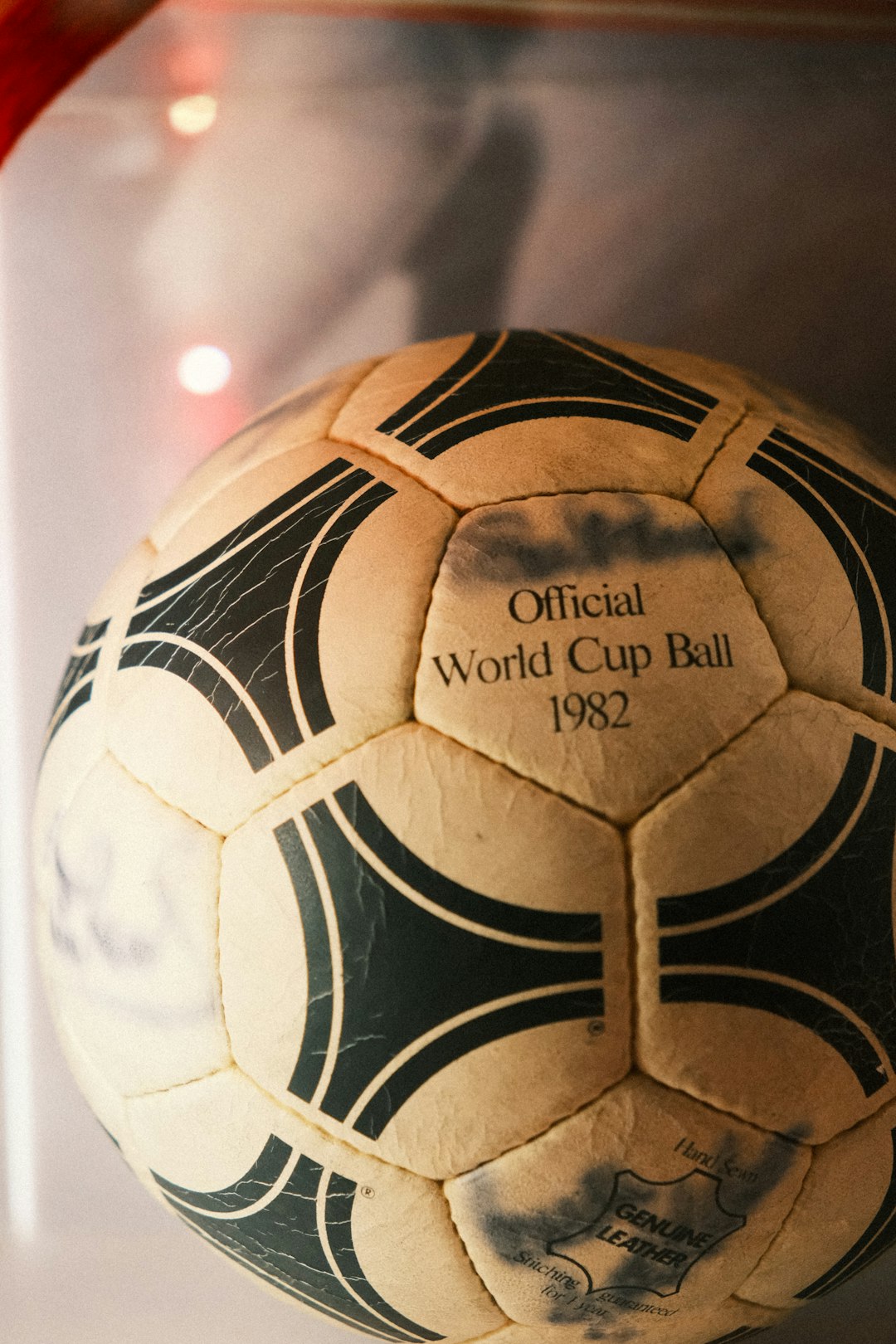
Why Soccer Teams Have More Than 11 Players
Although only 11 players are on the field, teams need larger squads because soccer is physically demanding and tactically complex. Injuries, suspensions, fatigue, fixture congestion, and tactical changes all require backup options.
A strong squad allows a coach to rotate players across a long season, respond to opponents, and make substitutions that can change the rhythm of a match. Substitutes may add speed, defensive stability, creativity, or fresh energy late in the game.
FAQ
How many players are on a soccer team on the field?
A standard soccer team has 11 players on the field, including one goalkeeper.
How many players are on a soccer team including substitutes?
It depends on the competition. A matchday squad often includes 11 starters plus several substitutes, while tournament squads may include larger registered groups, such as 23 or 26 players.
What is the minimum number of players needed in soccer?
A match cannot start or continue if a team has fewer than 7 players.
How many substitutions are allowed in FIFA matches?
Many modern FIFA competitions allow up to 5 substitutions, usually across three substitution opportunities plus halftime. The exact rule depends on the competition regulations.
Does the goalkeeper count as one of the 11 players?
Yes. The goalkeeper is included in the 11-player total.
Can a substituted player come back into the match?
In most professional and official adult competitions, a substituted player cannot return. Some youth or amateur competitions may allow re-entry under local rules.
What happens if a team gets too many red cards?
If a team drops below seven players because of red cards or other reasons, the match cannot continue under standard official rules.