
Padel is easy to start, but the quality and suitability of your equipment have a direct impact on comfort, safety, and performance. Because the sport combines fast reactions, short sprints, wall rebounds, and repeated changes of direction, players should choose gear that supports both control and injury prevention. Whether you are joining your first social match or preparing for regular club play, understanding the essential padel equipment will help you make sensible purchases and avoid unnecessary mistakes.
TLDR: To play padel properly, you need a padel racket, suitable padel balls, reliable court shoes, and comfortable sports clothing. Protective accessories such as a wrist strap, grip tape, and sports eyewear can improve safety and consistency. Beginners should prioritize control, comfort, and durability rather than buying the most powerful or expensive equipment immediately.
The Padel Racket: Your Most Important Piece of Equipment
The padel racket is the central item in your kit. Unlike a tennis racket, a padel racket has no strings. It is a solid, perforated bat made from materials such as fiberglass, carbon fiber, EVA foam, or polyethylene foam. The shape, weight, balance, and core material all influence how the racket feels and performs.
There are three main racket shapes:
- Round rackets: Best for beginners and defensive players. They usually have a larger sweet spot and offer better control.
- Teardrop rackets: A balanced option for intermediate players who want both control and power.
- Diamond rackets: Designed for advanced players seeking more attacking power, but they require better technique.
For most new players, a round or lightweight teardrop racket is the safest and most practical choice. A racket that is too heavy or head-heavy can strain the wrist, elbow, and shoulder, especially if your technique is still developing. As a general rule, beginners should look for a racket that feels stable but not tiring after several minutes of play.
Do not choose a racket based only on appearance or price. The right racket should match your current skill level, physical strength, and style of play. If possible, test several rackets before buying, or ask a qualified coach or specialist retailer for advice.
Padel Balls: Similar to Tennis Balls, but Not the Same
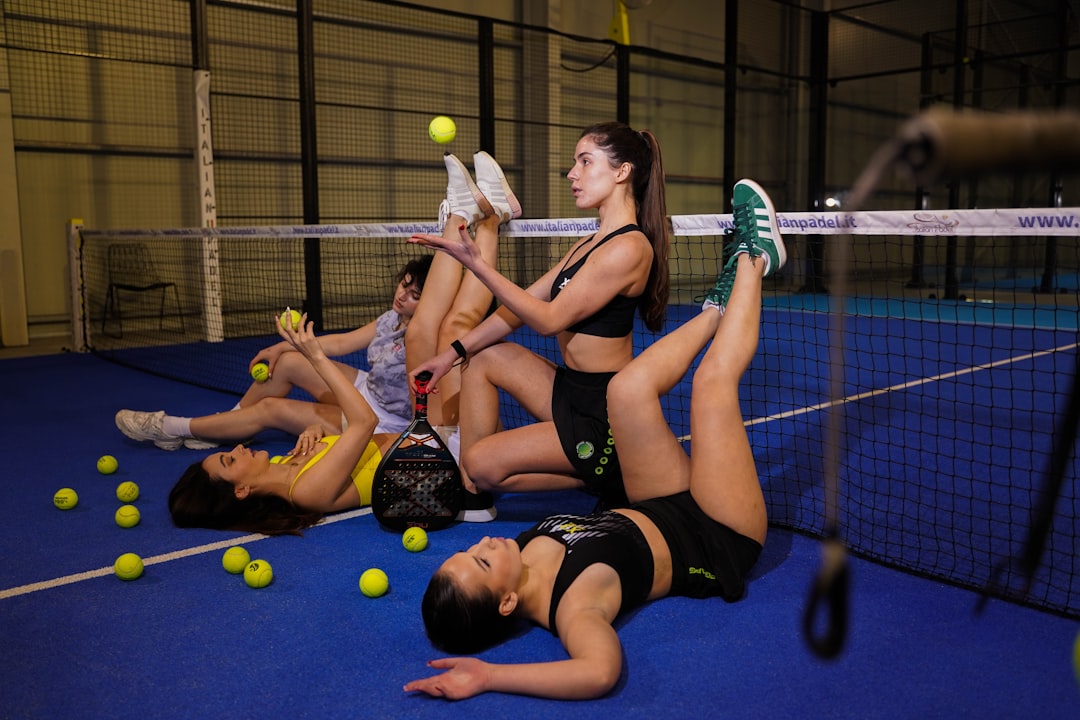
Padel balls look very similar to tennis balls, but they are not identical. Padel balls generally have slightly lower pressure, which affects bounce and speed. Using the correct ball helps maintain the intended pace of the game and makes rallies more predictable.
When selecting padel balls, consider the following:
- Pressure: Official padel balls are designed for the sport’s specific bounce characteristics.
- Durability: Balls lose pressure over time, especially if used frequently or stored poorly.
- Playing level: Beginners may prefer balls that are not excessively fast, while advanced players may want a livelier response.
For casual games, a standard tube of reputable padel balls is usually sufficient. However, if you play often, it is wise to replace balls regularly. Worn or flat balls can change timing, reduce rally quality, and encourage poor technique.
Padel Shoes: Essential for Safety and Movement
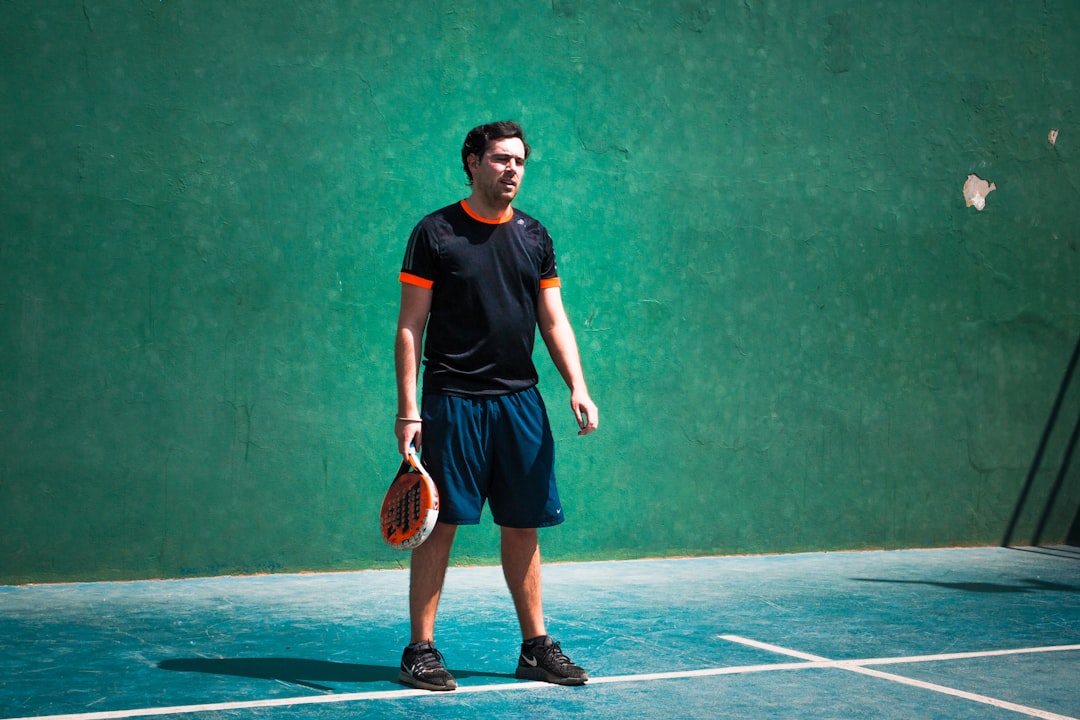
Many beginners underestimate the importance of proper footwear. Padel involves rapid lateral movement, sudden stops, pivots, and short accelerations. Running shoes are not designed for these movements and may increase the risk of slipping or ankle injuries.
Padel shoes or high-quality court shoes provide the grip, support, and stability needed for safe play. The sole pattern is especially important. Many padel courts use artificial turf with sand, so a herringbone or clay-style sole is often preferred because it offers strong traction without locking the foot too aggressively to the surface.
Good padel shoes should provide:
- Lateral support to protect the foot during side-to-side movements.
- Cushioning to reduce impact on the knees, hips, and lower back.
- Grip appropriate for artificial turf and sandy court surfaces.
- Durable uppers that withstand dragging and quick changes of direction.
If you invest in only one high-quality item after your racket, make it your shoes. Proper footwear improves confidence on court and reduces the likelihood of injuries caused by poor traction or unstable landings.
Comfortable Sports Clothing
Padel clothing does not need to be complicated, but it should allow free movement and manage sweat effectively. Lightweight, breathable fabrics are preferable to heavy cotton, which can retain moisture and become uncomfortable during longer matches.
Players commonly wear:
- Moisture-wicking shirts to stay dry and comfortable.
- Shorts, skirts, or leggings that allow unrestricted movement.
- Sports socks with cushioning and a secure fit.
- Layered clothing for warm-ups or outdoor play in cooler conditions.
Fit matters more than fashion. Clothing that is too tight can limit reach and rotation, while clothing that is too loose may distract you during play. Choose practical apparel that supports quick movement and keeps you focused on the match.
Grip Tape and Overgrips
A secure grip is essential in padel. Because rallies can be fast and the racket is often handled with quick wrist movements, a slipping handle can affect control and safety. Most rackets come with a standard grip, but many players add an overgrip to improve comfort and absorb sweat.
Overgrips are inexpensive and easy to replace. They can make the handle slightly thicker, which may help players with larger hands or those who prefer a firmer feel. If your grip becomes shiny, slippery, or compressed, it is time to replace it.
When choosing grip tape, consider:
- Sweat absorption: Important for warm conditions or intense matches.
- Tackiness: Helps keep the racket secure in your hand.
- Thickness: Affects comfort and racket feel.
Maintaining your grip is a simple habit that can significantly improve consistency and confidence during play.
The Wrist Strap: A Small but Important Safety Feature
Most padel rackets include a wrist strap, and players should use it every time they step on court. The strap prevents the racket from flying out of your hand during a swing, especially during smashes, volleys, or defensive shots near the glass.
Although it may seem like a minor detail, the wrist strap protects other players, the glass walls, and your racket. Some clubs and competitions require players to use the strap for safety reasons. Make sure it is secure and comfortable before each match.
Padel Bag: Protection and Organization
A dedicated padel bag is not absolutely required for your first game, but it quickly becomes useful if you play regularly. Padel rackets can be damaged by heat, pressure, and impact. A good bag helps protect your racket and keeps your gear organized.
Look for a bag with:
- A padded racket compartment to reduce damage during transport.
- Separate shoe storage to keep dirt and odor away from clothing.
- Room for balls, grips, water, and towels.
- Comfortable straps if you walk or cycle to the court.
Players who own multiple rackets, compete, or train often may prefer larger thermal bags. These provide better protection against temperature changes, which can affect racket materials over time.
Water Bottle and Towel
Hydration is not optional. Padel matches can be physically demanding, particularly in doubles rallies where players move constantly and recover quickly between points. Bring a reliable water bottle and drink regularly, even if you do not feel thirsty at first.
A towel is also useful for drying hands, face, and racket handle between games. Sweat can reduce grip quality and concentration. In warmer conditions, a small towel and spare overgrip can prevent unnecessary errors caused by slippery hands.
Protective Accessories
While not every player needs additional protection, some accessories are worth considering, especially if you train frequently or have previous injuries.
- Sports eyewear: Helpful for players concerned about accidental ball contact, particularly in fast net exchanges.
- Knee or ankle supports: Useful for players with instability or a history of joint issues, when recommended by a professional.
- Cap or visor: Important for outdoor courts where sun glare can affect visibility.
- Sunscreen: Essential for outdoor play in strong sunlight.
Protection should never compensate for poor technique, inadequate warm-ups, or unsuitable footwear. However, the right accessories can reduce risk and make play more comfortable.
Optional Training Equipment
Once you begin playing regularly, you may benefit from a few training aids. These are not essential for your first match, but they can support structured improvement.
- Ball basket or tube: Useful for practicing repeated shots.
- Resistance bands: Helpful for warm-ups and shoulder strengthening.
- Cones or markers: Good for footwork drills and positioning practice.
- Pressure ball saver: Helps extend the life of padel balls.
For serious development, lessons with a qualified coach are often more valuable than buying extra equipment. Good coaching helps you understand positioning, shot selection, and safe movement patterns.
What Beginners Should Buy First
If you are new to padel, it is sensible to start with the essentials rather than purchasing everything at once. A practical beginner kit includes:
- A control-oriented padel racket with a comfortable weight.
- Proper padel or court shoes with suitable grip.
- A tube of padel balls for practice and casual matches.
- Breathable sports clothing that allows full movement.
- Overgrips, water bottle, and towel for comfort and consistency.
As your playing frequency increases, you can add a padel bag, spare grips, protective accessories, and training tools. This approach keeps costs reasonable while ensuring that the most important needs are covered first.
Common Equipment Mistakes to Avoid
Many players make avoidable errors when choosing padel equipment. The most common is buying a racket that is too advanced. A powerful diamond-shaped racket may look appealing, but it can reduce control and increase arm strain if your technique is not ready for it.
Another mistake is playing in unsuitable shoes. Even if running shoes feel comfortable, they usually lack the lateral stability required for padel. This can lead to slips, rolled ankles, or poor balance during defensive movements.
Players also sometimes continue using worn balls, old grips, or damaged rackets for too long. Equipment does not need to be replaced constantly, but it should be maintained. Inspect your racket for cracks, change overgrips when they lose tackiness, and replace balls when bounce becomes inconsistent.
Final Thoughts
Essential padel equipment should help you play safely, comfortably, and consistently. The most important items are a suitable racket, proper padel shoes, correct balls, and breathable clothing. From there, accessories such as overgrips, a wrist strap, a towel, a water bottle, and a protective bag can improve your overall experience.
Choose equipment based on your level, physical needs, and how often you play. Reliable, well-matched gear is more valuable than expensive equipment that does not suit you. With the right essentials in place, you can focus on learning the game, enjoying rallies, and developing your skills with confidence.