

Every business wants happy customers. But guessing what customers think is risky. You need real answers. Real opinions. Real data. That is where customer feedback software comes in. It helps you collect insights, understand behavior, and make smarter decisions without confusion.
TLDR: Customer feedback software helps you collect, organize, and understand what your customers really think. It turns opinions into clear insights you can act on. With surveys, live chat, reviews, and analytics, you can improve products and keep customers happy. Simple feedback tools lead to smarter business decisions.
What Is Customer Feedback Software?
Customer feedback software is a digital tool. It collects opinions from your customers. These opinions can come from surveys, ratings, reviews, polls, or messages.
Instead of guessing what works, you ask.
Instead of assuming what failed, you measure.
The software gathers everything in one place. Then it shows patterns. Trends. Common complaints. Happy moments.
It turns noise into clarity.
Why Customer Feedback Matters
Customers are talking about your brand. Every day.
The question is: Are you listening?
Feedback helps you:
- Improve products
- Fix problems quickly
- Increase customer satisfaction
- Reduce churn
- Build loyalty
- Create better experiences
When customers feel heard, they stay longer. It is that simple.

Types of Feedback You Can Collect
Not all feedback looks the same. Good software supports different formats.
1. Surveys
Surveys are structured. They ask specific questions. You control the format. You control the scale. These are great for measuring satisfaction.
Common survey types:
- CSAT (Customer Satisfaction Score)
- NPS (Net Promoter Score)
- CES (Customer Effort Score)
2. Reviews and Ratings
Star ratings are simple. But powerful. They quickly show how customers feel.
3. Live Chat Feedback
After a support chat, you can ask: “How did we do?” Quick. Easy. Fresh feedback.
4. Social Media Mentions
Customers speak freely on social platforms. Feedback tools can track those conversations.
5. Website Behavior Tracking
Clicks. Scrolls. Time on page. These actions tell a story too.
Key Features to Look For
Not all customer feedback software is equal. Some are basic. Others are advanced.
Here are important features to consider:
- Easy survey builder – Drag and drop. No coding.
- Multi channel support – Email, website, SMS, mobile apps.
- Real time reporting – See data instantly.
- Data dashboards – Visual charts and graphs.
- Automation tools – Send surveys automatically.
- Sentiment analysis – Detect positive or negative tone.
- Integration options – Connect with CRM or helpdesk tools.
The goal is simplicity. You want insight without headaches.
How It Works Step by Step
Let’s break it down.
- Create a feedback form. Choose your questions.
- Send it to customers. After purchase or interaction.
- Collect responses. Automatically stored.
- Analyze results. Dashboards show patterns.
- Take action. Improve based on insights.
It is a cycle. Ask. Learn. Improve. Repeat.
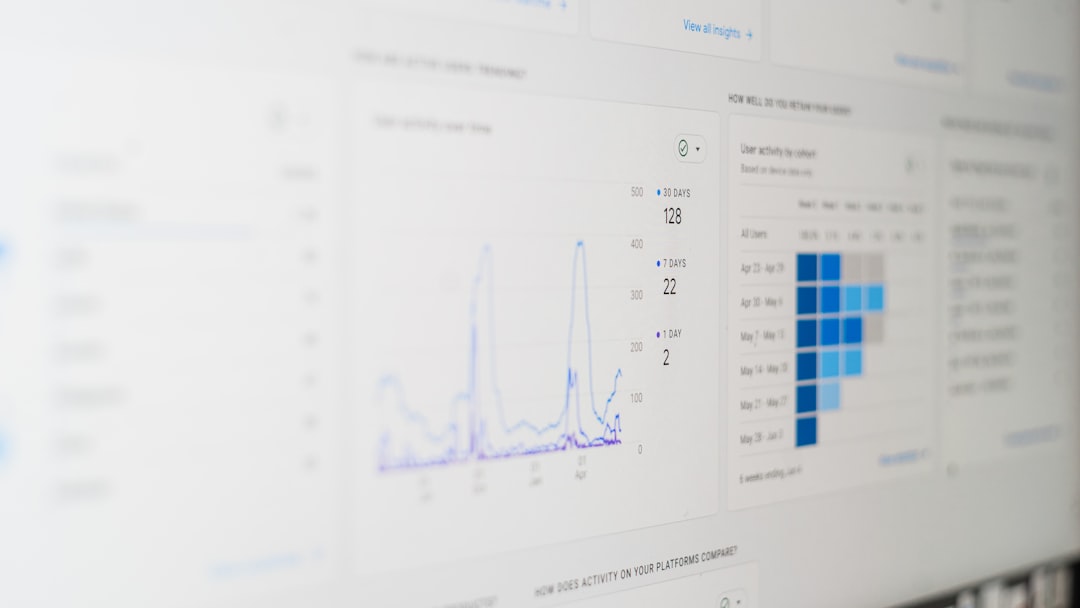
The Power of Real Time Insights
Speed matters.
If ten customers complain today, you need to know today. Not next month.
Real time alerts notify you when:
- A customer leaves a low rating
- A complaint contains urgent keywords
- Your satisfaction score drops
This allows fast action.
Fast action prevents damage.
And quick responses impress customers.
Turning Data Into Action
Collecting feedback is only half the job.
You must act on it.
Here is how smart teams use feedback data:
- Update product features customers request
- Improve slow customer service processes
- Train staff based on complaints
- Fix confusing website navigation
- Adjust pricing models
Insights without action are wasted opportunities.
Benefits for Small Businesses
You do not need to be a huge company to benefit.
Small businesses gain a lot from feedback software.
Why?
Because every customer counts.
Benefits include:
- Stronger relationships
- Personalized service improvements
- Affordable insight gathering
- Competitive advantage
Listening carefully can help small brands feel big.
Benefits for Large Companies
Larger organizations deal with volume.
Thousands of customers. Multiple channels. Tons of data.
Feedback software helps organize chaos.
- Centralized data management
- Department level reporting
- Automated workflows
- Trend forecasting
Big companies need structure. Feedback tools provide it.
Common Mistakes to Avoid
Even with good tools, mistakes happen.
Here are common ones:
- Asking too many questions
- Ignoring negative feedback
- Not following up with unhappy customers
- Collecting data but never reviewing it
- Sending surveys too often
Keep surveys short. Keep them focused. Respect your customer’s time.
Keeping Feedback Simple and Friendly
Good feedback feels easy.
Ask clear questions:
- How satisfied are you?
- What can we improve?
- Would you recommend us?
Avoid complicated language.
Avoid long forms.
Make it feel like a conversation.

The Role of AI in Feedback Software
Modern tools use artificial intelligence.
AI can:
- Detect emotion in written responses
- Identify repeating themes
- Predict customer churn risk
- Highlight urgent issues
Instead of reading thousands of comments manually, AI summarizes insights for you.
It saves time.
It reduces human error.
It helps you see what matters most.
Measuring Success with Feedback Metrics
Numbers make improvement measurable.
Common metrics include:
- NPS – Measures loyalty
- CSAT – Measures satisfaction
- Customer retention rate – Measures loyalty over time
- Churn rate – Shows how many customers leave
Track these regularly.
Watch for upward trends.
Celebrate improvements.
Building a Feedback Culture
Software alone is not enough.
Your team must value feedback.
Create a culture where:
- Feedback is shared openly
- Teams collaborate on solutions
- Employees are trained to respond positively
- Customers are thanked for opinions
Make feedback part of regular meetings.
Reward improvements.
Encourage curiosity.
The Long Term Impact
Consistent listening builds trust.
Trust builds loyalty.
Loyal customers:
- Buy more
- Recommend your brand
- Leave positive reviews
- Stay during rough periods
Over time, small improvements create big results.
A 5% increase in retention can dramatically grow revenue.
Small insights lead to big growth.
Final Thoughts
Customer feedback software is not complicated.
It is a listening tool.
It gives your customers a voice.
And it gives you direction.
In a world full of competition, the brands that win are the ones that listen best.
Ask clearly.
Measure smartly.
Act quickly.
Keep improving.
Because when your customers speak, they are giving you a roadmap. And with the right feedback software, you can follow it confidently.