

Sales calls can feel like a roller coaster. Some end in a win. Others end in silence. The difference often hides in the details. That is where sales call analytics platforms step in. They listen, measure, and explain what really happens on your calls.
TLDR: Sales call analytics platforms help teams understand what works and what does not during sales conversations. They track talk time, keywords, objections, and customer sentiment. Tools like Gong, Chorus, and ExecVision turn raw calls into clear coaching insights. If you want better close rates and smarter sales reps, these platforms can make a big difference.
Let’s break it down in a fun and simple way.
What Is Sales Call Analytics?
Imagine having a super-smart assistant on every sales call. It takes notes. It spots patterns. It tells you what your best reps do differently. That is sales call analytics.
These platforms use artificial intelligence to:
- Record and transcribe calls
- Track keywords and phrases
- Measure talk-to-listen ratios
- Detect tone and sentiment
- Flag objections and questions
- Score calls automatically
Instead of guessing why a deal was lost, you get real answers.

Now let’s explore three powerful platforms that make this happen.
1. Gong: The Data-Driven Powerhouse
Gong is one of the biggest names in sales call analytics. Many high-growth companies use it. And for good reason.
Gong does more than record calls. It captures emails, meetings, and even deal activity. Then it connects everything together.
What Makes Gong Special?
- Conversation intelligence: Breaks calls into topics and tracks keywords.
- Deal insights: Warns you when a deal might be at risk.
- Team comparisons: Shows how top reps differ from average reps.
- Coaching tools: Lets managers leave feedback on specific call moments.
One standout feature is talk ratio tracking. If a rep talks 80% of the time, that may be a red flag. Great sales calls are balanced. Gong helps you see that instantly.
How Gong Improves Performance
Here is a simple example:
Imagine your top closer always discusses pricing after explaining value. Other reps talk about price too early. Gong will highlight that pattern. Now you can train everyone to follow the winning approach.
Over time, this builds:
- Shorter sales cycles
- Higher close rates
- Better onboarding for new hires
New reps ramp up faster because they learn from real calls. Not theory. Not guesswork. Real conversations that worked.
2. Chorus: The Coaching Champion
Chorus, now part of ZoomInfo, focuses heavily on coaching and collaboration. It is built to help managers turn insights into action.
Think of Chorus as your team’s virtual call library. Every conversation becomes searchable and shareable.
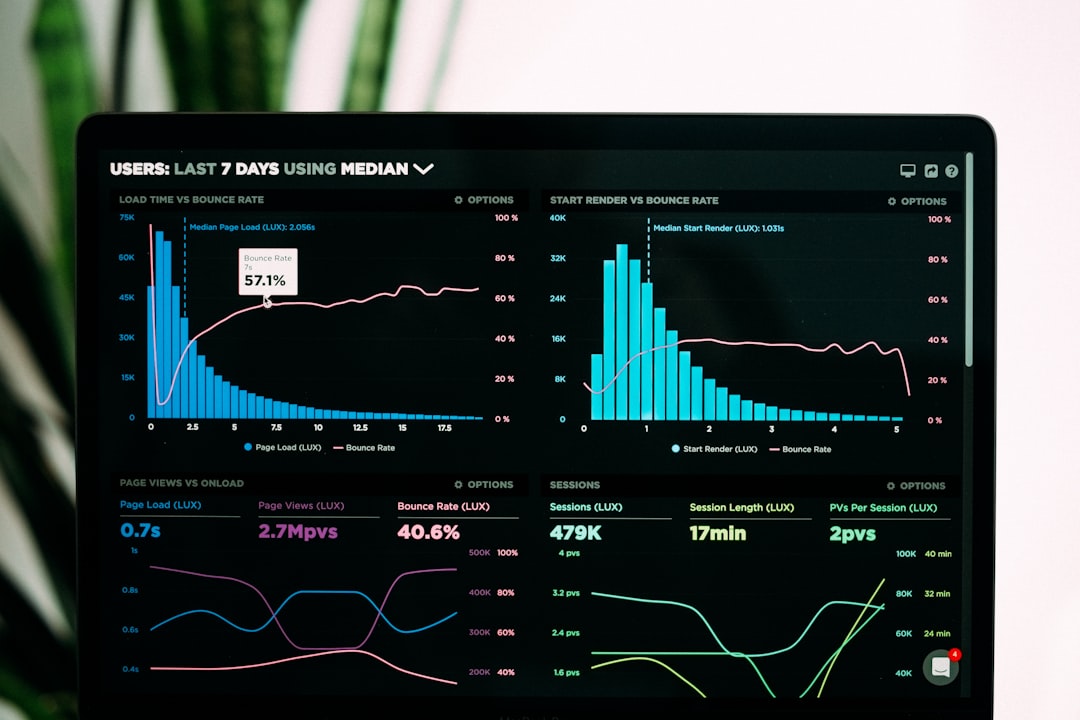
Key Features of Chorus
- Call transcription: Accurate and easy to scan.
- Snippets and highlights: Save important moments.
- Sentiment analysis: Spots positive or negative shifts in tone.
- Competitor tracking: Detects when rivals are mentioned.
One powerful tool is the ability to create playlists. Managers can group great call moments together. For example, handling pricing objections. Or closing techniques.
New reps can binge-listen to the best calls. Like Netflix. But for sales training.
Why Teams Love Chorus
It makes feedback simple and specific.
Instead of saying, “You need to build more trust,” a manager can say:
- “At minute 4:32, the prospect asked about integration.”
- “You changed the topic quickly.”
- “Next time, dig deeper there.”
That level of clarity speeds up learning.
Chorus also shows trends across the team. Maybe deals close faster when reps mention implementation timelines early. That insight can shape your entire sales process.
3. ExecVision: The Behavior-Focused Trainer
ExecVision puts strong emphasis on behavior change. It is not just about data. It is about building better habits.
This platform combines call analytics with structured coaching workflows.
What Stands Out About ExecVision?
- Behavior tracking: Monitors specific rep behaviors over time.
- Coaching templates: Frameworks for managers.
- Scorecards: Consistent evaluation methods.
- Improvement tracking: Measures progress after coaching.
For example, you might want reps to ask more open-ended questions. ExecVision can track how often they do that. Then it shows whether that number improves after coaching sessions.
Turning Insight Into Action
Many companies struggle with this step. They collect data. But nothing changes.
ExecVision closes that gap.
Managers assign targeted coaching sessions. They track specific behaviors. They measure results. It becomes a cycle of improvement.
This works especially well for:
- Growing teams
- Call centers
- Enterprise sales groups
It makes coaching less random. And more strategic.
Why Sales Call Analytics Matters More Than Ever
Buyers today are informed. Busy. And often skeptical.
Reps need to:
- Build trust fast
- Ask smart questions
- Handle objections smoothly
- Deliver clear value
Call analytics shows whether that is actually happening.
Without it, managers rely on self-reporting. Or memory. Both are flawed.
With analytics, you get:
- Objective data
- Scalable coaching
- Rep accountability
- Faster skill development
You also protect revenue. Many platforms flag risky deals. For example, if a key decision-maker never joined a call. That early warning can save thousands of dollars.
How to Choose the Right Platform
Not every tool fits every team.
Ask yourself these simple questions:
- How large is my sales team?
- Do I need deep deal forecasting?
- Is coaching my main priority?
- What CRM do I use?
- What is my budget?
If you want heavy data and forecasting, Gong may lead the pack.
If you care most about collaboration and shared learning, Chorus shines.
If behavior change and structured coaching matter most, ExecVision is strong.
Always test integrations first. Make sure it connects smoothly with your CRM and video conferencing tools.
Best Practices for Getting Real Results
Buying the tool is step one. Using it well is step two.
Here are simple tips:
- Review calls weekly. Not just when there is a problem.
- Highlight wins. Celebrate good examples.
- Coach with specifics. Use timestamps.
- Track one behavior at a time. Do not overwhelm reps.
- Share insights team-wide. Learning should be public.
Keep it positive. Analytics should not feel like surveillance. It should feel like support.
Explain to reps how the tool helps them close more deals. When they see personal benefit, adoption rises quickly.
The Fun Part: Watching Growth Happen
One of the most satisfying moments in sales leadership is watching a rep improve.
First, they struggle with objections. Then they listen to top performers. They get coaching. They practice.
The data starts to shift.
- Talk ratio improves.
- Discovery questions increase.
- Close rates climb.
That progress becomes visible on the dashboard. It feels like leveling up in a game.
And in a way, it is.
Final Thoughts
Sales used to rely on instinct. And charisma. That still matters. But today, data gives you an edge.
Platforms like Gong, Chorus, and ExecVision turn everyday sales calls into lessons. They reveal hidden patterns. They guide coaching. They improve performance step by step.
The result?
Stronger conversations. More confident reps. Higher revenue.
And fewer “What went wrong?” meetings.
If you want your team to sell smarter, not just harder, sales call analytics might be your new secret weapon.