
American football is a chess match played at full speed. Big hits grab attention. Long passes make highlights. But smart tactics win games. The best teams are not just strong. They are clever, disciplined, and adaptable. When strategy meets execution, victories follow.
TLDR: Winning football games is about smart tactics, not just star players. Strong offenses mix runs and passes to stay unpredictable. Tough defenses confuse quarterbacks and stop big plays. Special teams and good clock management often decide close games.
Let’s break down the best American football tactics that consistently win games. We will keep it simple. And fun.
1. Establish the Run Game Early
Running the ball sets the tone. It wears down the defense. It controls the clock. And it opens up the passing game.
When a team runs the ball well, several good things happen:
- The defense creeps forward. Linebackers move closer to the line.
- Play-action becomes deadly. Fake the run. Throw it deep.
- The offense controls tempo. Long drives tire defenders out.
Great teams rarely abandon the run too quickly. Even short gains matter. Four-yard runs create manageable third downs. Third-and-two is much easier than third-and-ten.
Simple truth: If you can run the ball, you control the game.
2. Master Play-Action Passing
Play-action is beautiful deception. The quarterback fakes a handoff. The defense bites. Receivers slip behind coverage.
This tactic works best when:
- The run game is respected.
- The offensive line protects well.
- Receivers sell their routes with confidence.
Linebackers must choose. Stop the run? Or drop back into coverage? That split second of doubt creates open passing lanes.
Many explosive plays come from play-action. It stretches the field. It forces defenders to hesitate. And hesitation in football is dangerous.
3. Spread the Field
Modern offenses love space. More space means fewer defenders near the ball.
Spread formations use:
- Three, four, or even five wide receivers.
- Shotgun formations.
- Quick passes and screens.
Why does this work?
Because defenses must cover the entire width of the field. That creates lighter defensive boxes. And lighter boxes mean easier running lanes.
The spread offense forces defenses to reveal their coverage. Man or zone? Blitz or drop back? The quarterback reads and reacts.
Fast decisions. Quick throws. Steady gains.
4. Dominate the Trenches
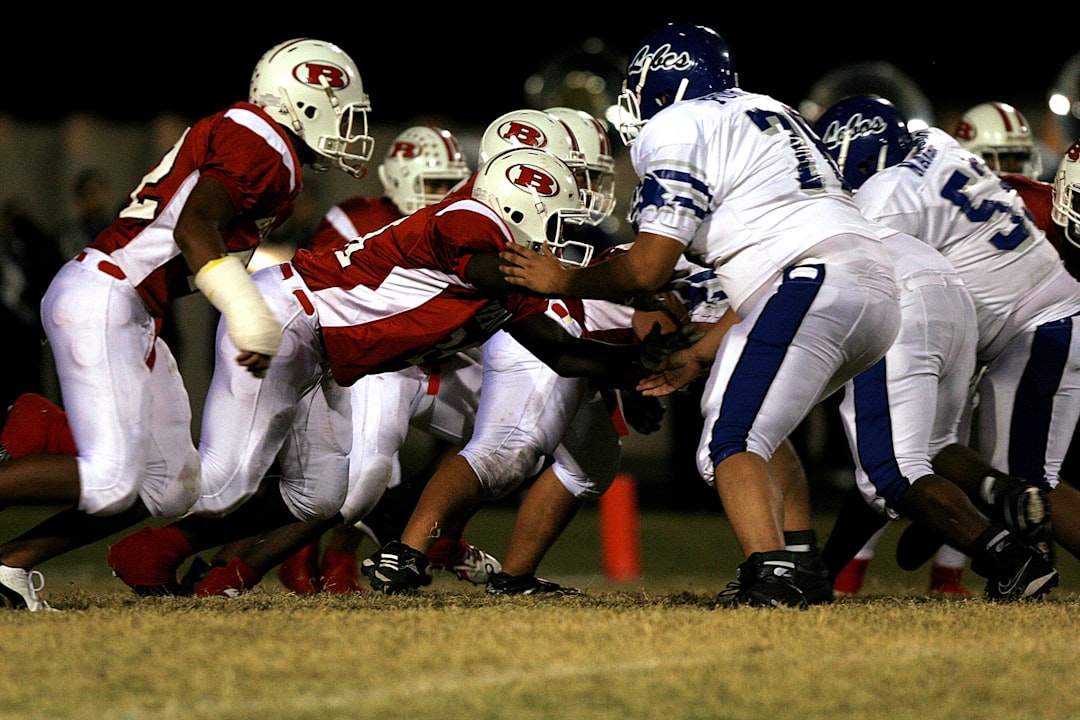
Games are won up front. Offensive and defensive lines decide everything.
A strong offensive line:
- Protects the quarterback.
- Creates running lanes.
- Keeps the offense balanced.
A fierce defensive line:
- Pressures the quarterback.
- Stops runs early.
- Forces bad throws.
Quarterbacks under pressure make mistakes. They rush throws. They miss reads. They turn the ball over.
Pressure without blitzing is gold. If four defenders can disrupt the pocket, seven players can drop into coverage. That makes passing very hard.
5. Creative Blitz Packages
Sometimes you must attack.
Blitzing sends extra defenders toward the quarterback. The goal is simple. Create chaos.
But smart blitzing is about disguise.
- Show blitz. Then drop back.
- Blitz from unexpected angles.
- Rotate safeties after the snap.
Confusion leads to sacks and interceptions. Great defensive coordinators mix looks constantly. They do not let quarterbacks feel comfortable.
The key is timing. Blitz too often and you give up big plays. Blitz at the right moment and you change the game.
6. Strong Red Zone Efficiency
Moving the ball is good. Scoring touchdowns is better.
The red zone is inside the opponent’s 20-yard line. Space shrinks. Windows tighten. Decisions happen fast.
Winning teams focus on:
- Creative play design. Stacked receivers. Motion. Misdirection.
- Tight end usage. Big targets shine in traffic.
- Quarterback mobility. Scrambles extend plays.
Field goals do not always win championships. Touchdowns do. The best teams convert drives into seven points, not three.
7. Turnover Battle Focus
This may be the simplest formula in football:
Win the turnover battle. Win the game.
Turnovers shift momentum instantly. They shorten the field. They energize the sideline.
Smart tactics to win turnovers include:
- Ball stripping drills on defense.
- Jumping short routes.
- Quarterback pressure up the middle.
- Safe decision-making on offense.
Winning teams protect the football. They accept punts instead of forcing risky throws. Patience pays off.
8. Clock Management Mastery
Games often come down to the final minutes.
Clock management is an underrated weapon.
Smart teams know when to:
- Use timeouts.
- Let the clock run.
- Speed up with no-huddle offense.
- Slow the pace and bleed seconds.
Two-minute drills require precision. Sideline throws stop the clock. Spiking the ball preserves time. Every second matters.
Late in games, smart play-calling protects leads. Run the ball. Stay in bounds. Force the opponent to burn timeouts.
9. Special Teams Win Hidden Yards
Special teams do not always get glory. But they change field position. And field position wins games.
- A great punt pins opponents deep.
- A strong kick return sets up short drives.
- A reliable kicker secures pressure points.
Hidden yards add up. Starting at the 40-yard line instead of the 20 makes scoring much easier.
Blocked kicks can shift momentum in seconds. Well-coached teams treat special teams as a weapon, not an afterthought.
10. Defensive Coverage Variety
If an offense knows your coverage, you are in trouble.
The best defenses mix:
- Man coverage: Tight, physical defense.
- Zone coverage: Eyes on the quarterback.
- Hybrid schemes: Disguised intentions.
Switching between Cover 2, Cover 3, and man looks keeps quarterbacks guessing. Confusion leads to hesitation. Hesitation leads to mistakes.
Elite teams disguise coverage until the last second. Safeties rotate. Corners press or bail late. These small adjustments make huge differences.
Offensive Strategy Comparison Chart
Here is a simple comparison of popular offensive tactics and when they work best:
| Tactic | Best Used When | Main Advantage | Potential Risk |
|---|---|---|---|
| Power Run Game | Bad weather or protecting a lead | Controls clock and tempo | Predictable if overused |
| Play Action Pass | Run game is effective | Creates explosive plays | Requires strong protection |
| Spread Offense | Facing slow defenses | Stretches the field | Can struggle in short yardage |
| No Huddle Offense | Defense looks tired | Prevents substitutions | Quick three and outs tire your own defense |
11. Adaptability During the Game
No game goes exactly as planned.
The best teams adjust fast. If the run fails, they pass more. If blitzes fail, they drop into coverage. Flexibility separates good teams from champions.
Halftime adjustments are crucial. Coaches review film. They spot weaknesses. They tweak formations and assignments.
Small changes can spark big turnarounds.
12. Discipline and Fewer Penalties
Penalties kill drives. They extend opponent drives.
Winning teams:
- Avoid false starts.
- Limit personal fouls.
- Stay focused in loud stadiums.
Ten-yard penalties turn manageable plays into long shots. Discipline keeps the playbook open. It preserves momentum.
Final Thoughts
Football is physical. But it is also mental. Great tactics are about pressure, patience, and precision.
The most successful teams:
- Run the ball with authority.
- Use play-action wisely.
- Pressure quarterbacks relentlessly.
- Protect the football.
- Manage the clock like experts.
They adjust fast. They stay disciplined. They trust the system.
In the end, championships are not won by one big play. They are won by smart decisions repeated over and over again.
That is the beauty of American football. Strategy meets strength. Planning meets passion. And when the tactics are right, winning becomes a habit.