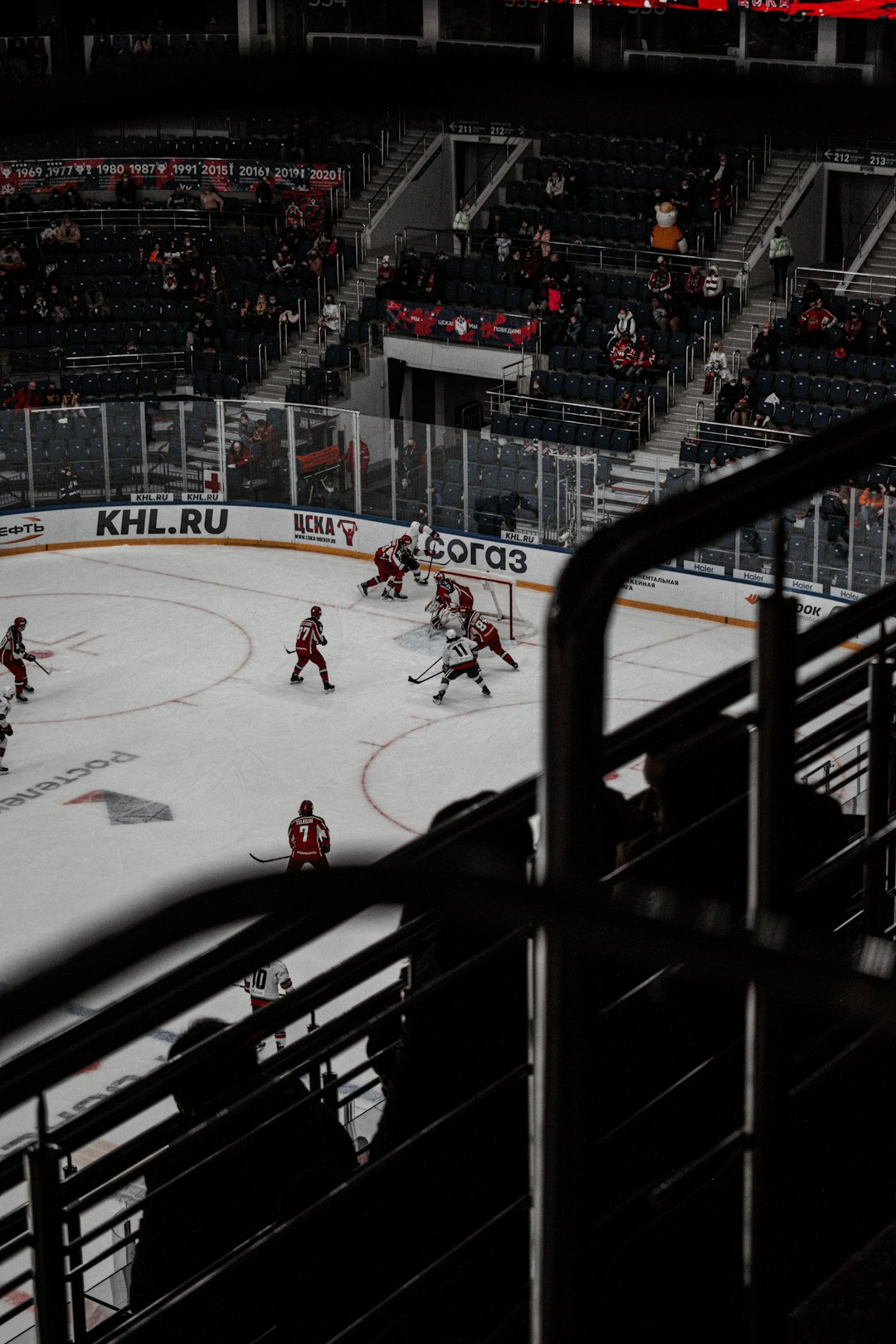

The National Hockey League (NHL) season is one of the most structured and tradition-rich schedules in professional sports. For fans new and old, understanding how long the NHL season lasts—and how it is organized—can make following the action much more enjoyable. From preseason matchups to the intensity of the Stanley Cup Playoffs, the NHL calendar spans much of the year and includes multiple phases that test players’ endurance and consistency.
TLDR: The NHL regular season consists of 82 games per team and runs from October through mid-April. It is followed by the Stanley Cup Playoffs, which can extend into June. Including preseason and playoffs, the NHL season typically lasts about eight to nine months. Each team’s journey includes preseason games, regular-season matchups, and potentially four best-of-seven playoff series.
How Long Is the NHL Season in Total?
The full NHL season, including preseason, regular season, and playoffs, usually stretches from September to June. While the regular season alone lasts about six and a half months, the entire competitive calendar spans nearly nine months.
Here is how the timeline typically breaks down:
- Preseason: Late September to early October
- Regular Season: Early October to mid-April
- Playoffs: Mid-April to early/mid-June
This schedule means that hockey fans can watch meaningful games for most of the fall, all of winter, and well into spring.
How Many Games Are in an NHL Regular Season?
Each NHL team plays 82 regular-season games. With 32 teams currently in the league, that results in a total of 1,312 games played across the league each season.
The 82 games are divided between:
- 41 home games
- 41 away games
This balanced format ensures fairness and equal opportunity for teams competing for playoff spots.
The regular season schedule includes games against divisional rivals, conference opponents, and teams from the opposite conference. Divisional matchups are especially important because teams within the same division compete directly for playoff seeding.
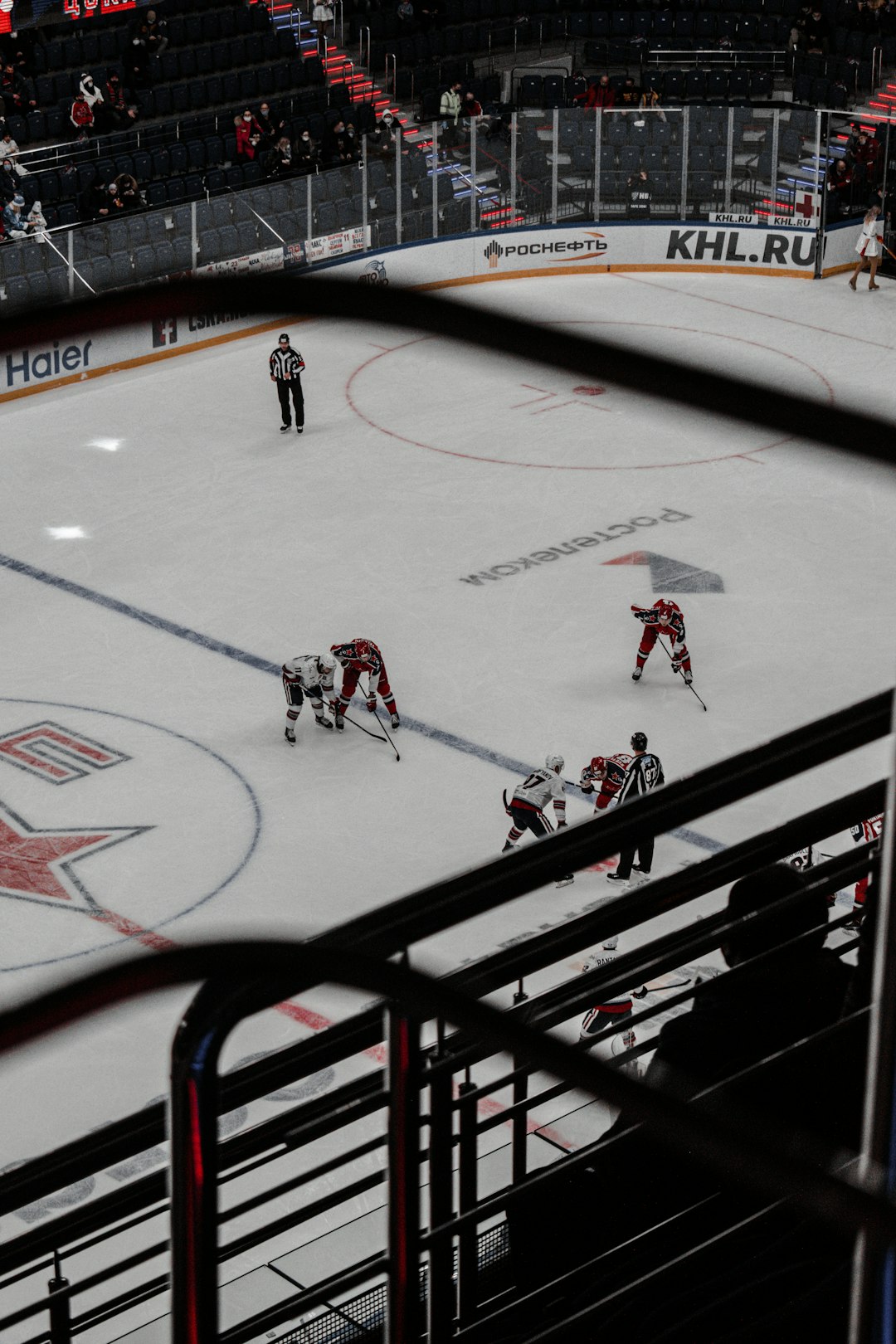
Preseason: The Warm-Up Phase
The NHL preseason generally begins in late September and lasts about two weeks. During this time, teams play between 6 and 8 exhibition games.
Preseason games do not count toward regular-season standings. Instead, they serve several purposes:
- Evaluating rookies and prospects
- Allowing players to regain game fitness
- Testing new line combinations and strategies
- Finalizing the 23-man regular-season roster
While preseason games are less intense than regular-season matchups, they are critical for team preparation.
Regular Season Structure and Key Dates
The regular season begins in early October. Teams typically play between 2 and 4 games per week, although the exact frequency varies due to travel schedules and special events.
Important dates during the regular season include:
- Opening Night: Usually the first week of October
- Winter Classic: Outdoor game held on or around January 1
- All-Star Weekend: Late January or early February
- Trade Deadline: Typically in March
The All-Star Break gives players several days off from competition. Meanwhile, the trade deadline often reshapes team rosters as franchises either prepare for playoff pushes or begin rebuilding efforts.

The NHL Playoffs: How Long Do They Last?
The Stanley Cup Playoffs begin in mid-April, shortly after the regular season ends. Sixteen teams qualify—eight from each conference.
The playoff format consists of four rounds:
- First Round
- Second Round
- Conference Finals
- Stanley Cup Final
Each round is a best-of-seven series, meaning a team must win four games to advance. If a series goes the full seven games, it can take up to two weeks to complete.
The playoffs typically last around two months. The Stanley Cup Final usually concludes in early to mid-June, marking the end of the NHL season.
In total, a team that reaches Game 7 of every playoff round could play:
- 28 playoff games
When combined with 82 regular-season games, that means a championship team could play up to 110 total games in one season.
How Does the NHL Season Compare to Other Leagues?
The NHL’s 82-game schedule matches the NBA in length but is longer than the NFL season.
| League | Regular Season Games | Season Length | Playoff Format |
|---|---|---|---|
| NHL | 82 | Oct–April | 16 teams, best of seven |
| NBA | 82 | Oct–April | 16 teams, best of seven |
| NFL | 17 | Sept–Jan | 14 teams, single elimination |
| MLB | 162 | Mar–Sept | Expanded playoff format |
Although the NHL plays the same number of regular-season games as the NBA, hockey is uniquely demanding due to its physical contact, travel strain, and fast pace.
Travel and Scheduling Challenges
Because NHL teams are spread across North America, travel plays a major role in the schedule. Teams frequently embark on multi-game road trips, sometimes lasting a week or longer.
Factors affecting scheduling include:
- Arena availability
- Weather conditions in colder markets
- National television broadcasts
- Back-to-back game scheduling
A “back-to-back” occurs when a team plays on consecutive days. These games can be especially challenging, often requiring strategic goalie rotation and careful player management.
How Divisions and Conferences Affect the Season
The NHL is divided into two conferences:
- Eastern Conference
- Western Conference
Each conference contains two divisions. Teams play more frequently against divisional opponents, increasing rivalry intensity and competitive balance.
At the end of the regular season:
- The top three teams in each division qualify automatically for the playoffs.
- Two additional “wild card” teams from each conference also qualify.
This structure keeps playoff races competitive throughout the year.

Offseason: What Happens After the Season Ends?
Once the Stanley Cup is awarded in June, the NHL transitions into the offseason. Key offseason events include:
- NHL Draft: Typically held in late June
- Free Agency: Begins July 1
- Development Camps: Summer months
- Training Camps: September
Although no official games are played during the offseason, teams remain highly active in roster building and player development.
Special Circumstances That Affect Season Length
While the 82-game format is standard, there have been exceptions in NHL history:
- Lockouts: Labor disputes have shortened seasons in the past.
- Pandemics: The 2019–2020 and 2020–2021 seasons were shortened and adjusted.
- International Breaks: Olympic participation can alter scheduling.
Under normal circumstances, however, fans can expect the full 82-game schedule followed by traditional playoffs.
Why the Length of the NHL Season Matters
The length of the NHL season influences multiple aspects of the game:
- Player endurance and conditioning
- Statistical records and milestones
- Team development and chemistry
- Fan engagement across multiple seasons
An 82-game schedule allows teams to recover from slow starts while also rewarding consistent performance. Unlike shorter seasons, it reduces the impact of random variance and helps ensure that the strongest teams reach the playoffs.
Frequently Asked Questions (FAQ)
How many games are in an NHL season?
Each NHL team plays 82 regular-season games. Including playoffs, a team can play over 100 total games if it reaches the Stanley Cup Final.
When does the NHL season start and end?
The regular season typically starts in early October and ends in mid-April. The Stanley Cup Playoffs conclude in June.
How long do the NHL playoffs last?
The playoffs usually last about two months, from mid-April to early or mid-June.
How many teams make the playoffs?
A total of 16 teams qualify for the NHL playoffs—eight from the Eastern Conference and eight from the Western Conference.
Do preseason games count?
No. Preseason games are exhibition matchups used for evaluation and preparation. They do not count toward regular-season standings.
What is the longest possible NHL season for one team?
If a team plays 82 regular-season games and seven games in each of the four playoff rounds, it could play up to 110 games in a single season.
Has the NHL season ever been shortened?
Yes. Labor disputes and global events have resulted in shortened seasons in the past, but under standard conditions, the league operates on an 82-game schedule.
In summary, the NHL season is a months-long journey that demands skill, resilience, and endurance. From the opening puck drop in October to the Stanley Cup presentation in June, the structure of the league ensures a balanced, competitive, and thrilling experience for players and fans alike.