

The NFL Flag Football Championship, held annually as the culmination of dozens of regional tournaments across the United States, is rapidly gaining recognition as one of the most prestigious youth sporting events. As flag football continues to grow in popularity, this national final serves not only as the ultimate test for teams from all age groups but also as a celebration of athleticism, sportsmanship, and community. For players, coaches, and families alike, the NFL Flag National Championships are an experience unlike any other.
What is NFL Flag Football?
NFL Flag is the official flag football program of the National Football League. It offers young athletes the opportunity to engage in a fast-paced, inclusive form of football that emphasizes safety, agility, and fun, all while learning the foundational skills of traditional tackle football.
Unlike the tackle version of football, players do not physically knock down their opponents. Instead, athletes wear flags around their waistbands, and “tackling” a player is achieved by pulling a flag from the ball carrier.
About the NFL Flag Championship
The NFL Flag Nationals are the pinnacle event of the NFL Flag football program. Hosted in coordination with the Pro Bowl Games, the championship brings together the best teams from around the country to compete over several days of high-stakes, high-energy competition.
The event usually features multiple divisions based on age and gender. These typically include:
- 10U Coed
- 12U Girls
- 12U Coed
- 14U Girls
- 14U Coed
- 17U Girls
Each year, hundreds of teams vie for the opportunity to participate in the national finals, which are invitation-only events based on performance in qualifying tournaments held from coast to coast.

Path to the National Finals
The road to the NFL Flag Championship is competitive and rigorous. Teams must first register with the NFL Flag league and participate in affiliated regional tournaments. Those tournaments act as qualifiers, and only the top-performing teams earn a coveted spot at the nationals.
Generally, the teams that participate have demonstrated success both on the field and in team discipline, communication, and sportsmanship. This merit-based system ensures that the championship maintains a high level of play and integrity.
Scouting and Exposure
It’s worth noting that high-performing players at the nationals may gain added visibility for future opportunities in high school, college, and even Olympic-level recognition. With flag football recently being added to the 2028 Summer Olympics in Los Angeles, the exposure gained at the NFL Flag Championship can be a significant stepping stone in a young athlete’s career.
Championship Format and Rules
The NFL Flag National Championship typically follows a tournament-style setup beginning with pool play followed by single-elimination rounds. The format ensures that teams are tested consistently and must show both stamina and adaptability throughout the event.
Key rules include:
- Games are played on a smaller field, typically 25 x 70 yards with 10-yard end zones.
- Each game consists of two 12-minute halves with a running clock.
- Teams have five players on the field at a time.
- No contact is allowed; pulling of flags is used in place of tackling.
- Turnovers, penalties, and substitutions follow a finely tuned set of rules intended to preserve fairness and continuity.
Officials closely monitor each game to ensure compliance with guidelines, and infractions can lead to significant game consequences, especially in tightly contested matches.
Where and When It Takes Place
The event is typically aligned with NFL Pro Bowl week, allowing young participants to be part of a larger celebration of football. In recent years, venues for the tournament have included major NFL training facilities and community fields equipped with high-grade turf and modern amenities.
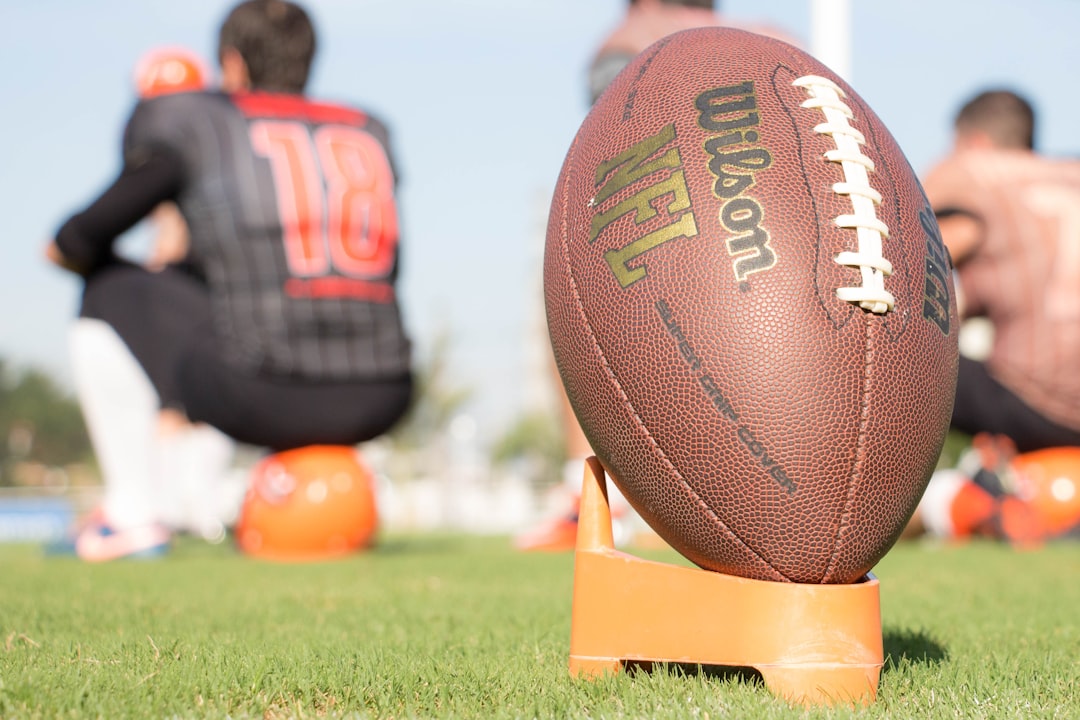
Games are spread across two to three days, allowing for preliminary rounds to lead into a final broadcasted championship game. In fact, some of the final games are aired on national television or streamed through NFL platforms, further increasing the scope and impact of the event.
Player Experience
For most young athletes, participating in the NFL Flag National Championship is a highlight of their sporting journey. Players receive official NFL Flag gear, interact with professional athletes, attend skills clinics, and immerse themselves in a football-rich culture throughout the event.
This enriching atmosphere encourages growth beyond the sport. Players develop leadership, teamwork, and resilience, all while creating memories that last a lifetime.
Inclusivity and Diversity
One of the strengths of NFL Flag is its commitment to inclusivity. The program actively engages girls and athletes from diverse backgrounds, promoting equality and accessibility. The introduction and expansion of all-girls divisions have contributed significantly to increasing participation among young female athletes nationwide.
Top Teams and Key Performers
Over the years, several regions and clubs have established themselves as flag football powerhouses. Areas such as Texas, Florida, California, and Georgia often produce highly competitive teams due to strong local programs and commitment to youth development.
Standout champions have emerged from both large and small communities, with grassroots clubs often competing toe-to-toe with elite training academies. Athletes who perform exceptionally during nationals may also be selected for highlight reels, special awards, or future development programs sponsored by the NFL or affiliated organizations.
Coaching and Preparation
Just like the athletes, coaches prepare rigorously for the nationals. Strategy, fitness, and mental game preparedness are all emphasized during training. Many teams employ detailed playbooks, emphasize agility drills, and simulate in-game scenarios regularly.
Coaches also attend pre-tournament briefings to ensure full understanding of the rules and expectations at the national level. They play a key role in maintaining player morale, managing game-day logistics, and facilitating communication with tournament officials and parents.
Impact on Local Communities
Beyond the athletes and coaches, the NFL Flag Championship brings widespread growth and positivity to local communities. It reinforces the values of physical activity, teamwork, and constructive competition. As interest in flag football grows, especially among youth underserved by traditional sports programs, NFL Flag serves as a tool for engagement and development.
Parents and supporters travel with teams, often turning the event into a celebratory family outing. Local businesses and sponsors benefit economically from the influx of attendees, while regional pride is cultivated through the advance of hometown teams to the national spotlight.
The Future of the Championship
Driven by record participation numbers and increasing media attention, the future of the NFL Flag Championship looks brighter than ever. The inclusion of flag football in the Olympics has further legitimized the sport and opened doors for its expansion into international platforms. The NFL has expressed a strong commitment to growing the game globally, with pilot programs already being established in other countries.
Conclusion
The NFL Flag Football Championship is far more than a youth tournament—it is a cornerstone of the sport’s evolution. For participants, it is a chance to measure themselves against the best and enjoy the camaraderie that comes with national competition. For fans, it is an inspiring look at the next generation of football talent.
In a world increasingly aware of safety, inclusivity, and youth wellness, the NFL Flag National Finals strike an ideal balance between competition and community. As flag football continues its rise, this championship event will remain a landmark moment on the calendar for years to come.