
The Indy 500 starting grid tells you who starts where, who has speed, and who may need a miracle with a tailwind. It is the race day map. Thirty-three cars line up in 11 rows. Three cars sit in each row. Simple, right? Mostly. Then qualifying shows up and starts making everyone sweat.
TLDR: The Indy 500 starting grid has 33 drivers, lined up three wide across 11 rows. The pole sitter starts first, but that does not guarantee a win. For example, the pole winner has won roughly 1 out of every 5 Indy 500 races, so starting first helps, but it is not a magic button. If your favorite driver starts 18th, they still have a shot, but they need clean pit stops, smart fuel calls, and a little luck.
What Is the Indy 500 Starting Grid?
The starting grid is the official order of cars at the start of the Indianapolis 500. It shows where each driver lines up when the race begins.
The Indy 500 uses a famous setup:
- 33 cars in the race
- 11 rows total
- 3 cars per row
- The fastest qualifier starts on the pole
- The slowest qualifier starts in 33rd
The front row gets the spotlight. The last row gets stress, jokes, and way too many camera shots. That is part of the fun.
How Indy 500 Qualifying Works
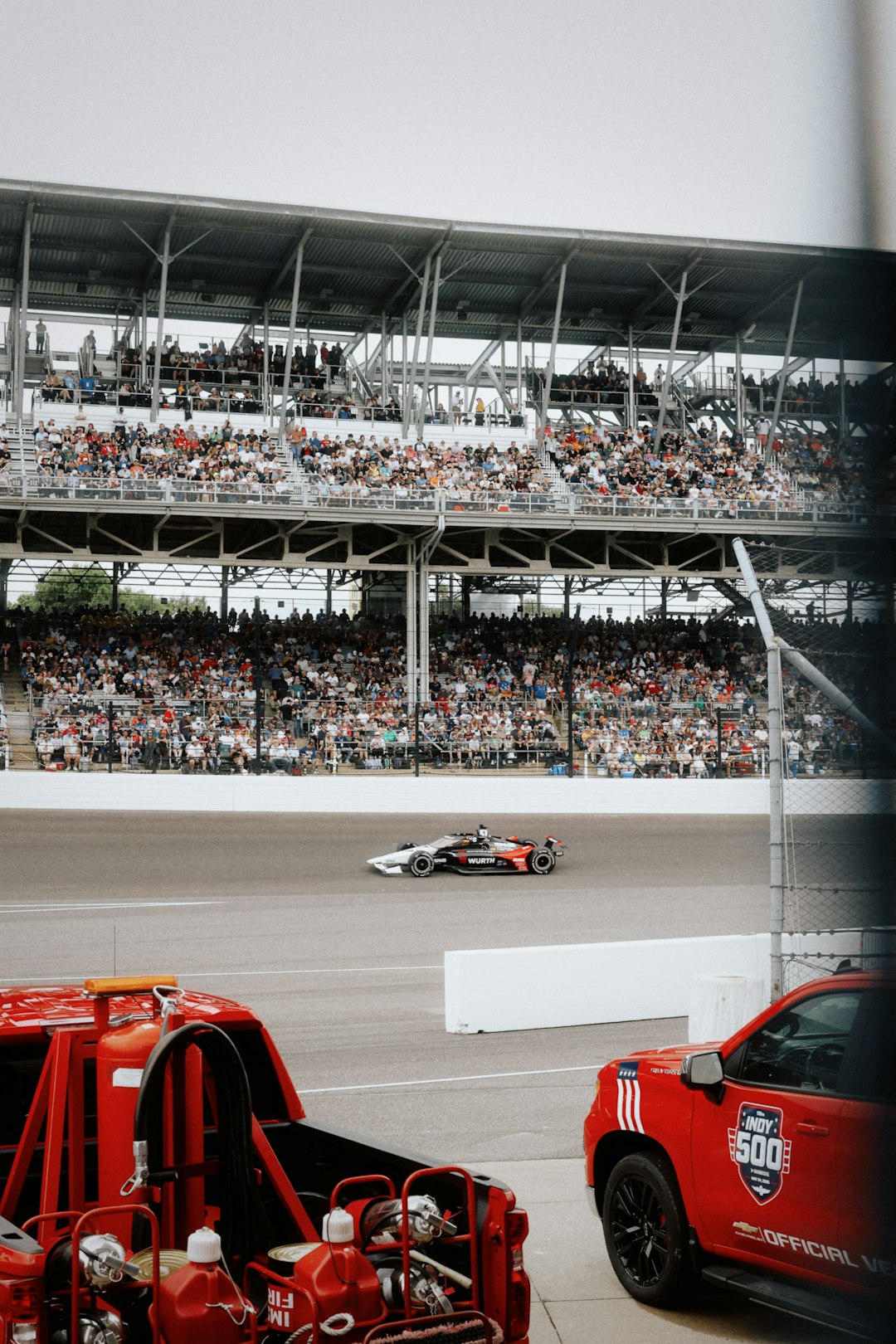
Qualifying for the Indy 500 is not one quick lap. That would be too easy. Instead, drivers run four laps around the 2.5-mile Indianapolis Motor Speedway.
Their average speed over those four laps becomes their qualifying speed. One tiny lift off the throttle can hurt. One gust of wind can ruin a run. Honestly, it feels like the timing screen waits five extra seconds just to annoy everyone watching.
Here is the basic idea:
- Each driver makes a qualifying attempt.
- The car runs four timed laps.
- The average speed sets the position.
- The fastest cars fight for the top spots.
- The slowest cars may fight just to make the race.
Qualifying is about raw speed. Race day is about survival, patience, traffic, fuel, and nerves. That is why qualifying first and winning the race are two very different things.
What Does “Pole Position” Mean?
Pole position means the driver starts first. At Indy, the pole sitter lines up on the inside of Row 1. It is a huge honor. It also pays well, looks great on a résumé, and makes sponsors very happy.
But the pole is not a free ticket to the winner’s circle. The Indy 500 is 500 miles long. That is 200 laps. A driver can lead early and still finish nowhere near the front.
Things can go wrong fast:
- A slow pit stop
- A bad restart
- A tire issue
- Getting stuck in traffic
- A yellow flag at the worst time
The pole gives a driver clean air at the start. That matters. But Indy is not won on Lap 1. It is often won in the last 20 laps.
How to Read Indy 500 Qualifying Results
Qualifying results usually show a few key items. Do not let the numbers scare you. They are easier than they look.
- Position: Where the driver starts.
- Driver: The person behind the wheel.
- Team: The racing team running the car.
- Car number: The number on the car.
- Four-lap average: The speed that sets the grid spot.
Example:
- 1st: Driver A, 234.500 mph average
- 2nd: Driver B, 234.420 mph average
- 3rd: Driver C, 234.100 mph average
That looks like a small gap. It is. But at Indy, tiny gaps are huge. A difference of 0.080 mph can decide who starts first and who starts second. That is absurd. That is also why fans love it.
Why Driver Positions Matter
Starting position matters because track position matters. Indy is fast. Passing is possible, but it is not always easy.
A driver starting in the first two rows has a cleaner view. They avoid most early traffic. They can settle in faster. They also have less chaos around them.
A driver starting in the middle of the pack faces more risk. Cars are everywhere. Dirty air makes the car harder to handle. One small mistake by another driver can end the day early.
Starting near the back is not hopeless. It is just harder. The driver needs patience. The team needs sharp calls. The pit crew needs to be flawless.
Race Strategy From the Front
If a driver starts up front, the main goal is simple. Stay there.
Front runners often focus on:
- Saving fuel when possible
- Protecting tire life
- Avoiding risky passes
- Staying out of dirty air
- Controlling restarts
They do not need to panic. They can let the race come to them. That sounds calm. It is not. One bad pit stop can drop a leader from first to 12th. It drives fans crazy, and crews know it.
Clean air is gold at Indy. When a car runs alone at the front, it slices through the air better. Behind other cars, the air gets messy. The car can slide. The tires can wear faster. The driver may need to lift off the throttle.
Race Strategy From the Middle
The middle of the grid is where things get spicy. Drivers here need to move forward, but they cannot act wild. A 500-mile race punishes impatience.
The best mid-pack plan often looks like this:
- Survive the first 20 laps
- Pick off cars during pit cycles
- Use fuel strategy to gain spots
- Stay calm during yellow flags
- Attack late, not too early
Middle starters may use alternate pit timing. For example, if leaders pit on Lap 30, a mid-pack driver may stay out longer. If a yellow comes at the right moment, that driver can gain several spots. If it does not, well, expect some shouting on the radio.
Race Strategy From the Back
Back-row starters need a different plan. They are not trying to win the race in the first hour. They are trying not to lose it.
A driver starting 30th or worse may focus on:
- Avoiding early crashes
- Saving extra fuel
- Waiting for others to make mistakes
- Using yellow flags wisely
- Climbing slowly but steadily
Can a back starter win? Yes. It is rare, but it can happen. The Indy 500 has had winners from deep in the field. That is why no team gives up before the green flag.
What the Grid Means for Race Day
The grid gives fans clues. It does not give answers. That is the key.
Here is what you can guess from the grid:
- Front row: These cars have serious speed.
- Rows 2 to 4: Strong contenders live here.
- Rows 5 to 8: Strategy will matter a lot.
- Rows 9 to 11: These drivers need patience and help.
Still, the Indy 500 loves to ignore logic. A fast car can fade. A quiet car can bloom late. A driver can sit sixth all day, then pounce with 10 laps left.
Image not found in postmetaSimple Tips for Watching the Grid Like a Pro
Want to sound smart during pre-race coverage? Watch these five things.
- Check teammates. If one team has several cars near the front, they likely found speed.
- Watch veterans. A veteran starting 15th may be less worried than a rookie starting 5th.
- Notice pit stalls. Top qualifiers often get better pit stall choices.
- Track fuel windows. Indy strategy often turns on when drivers stop.
- Do not crown anyone early. This race enjoys making experts look silly.
Why the Indy 500 Grid Is So Famous
The grid is part of the show. The cars sit three wide. The crowd buzzes. The engines fire. The pace laps begin. Then the field rolls toward Turn 1 like a bright, noisy thunderstorm.
That three-wide start is one of the most famous sights in racing. It looks clean on paper. In real life, it is wild. Every driver wants space. No one has much.
The Indy 500 starting grid is not just a list. It is a preview. It shows speed, pressure, hope, and trouble. It tells you who starts with an edge. It also reminds you that 500 miles can ruin every plan.
Best way to use the grid? Treat it like a clue sheet. Respect the front row. Watch the middle. Never ignore the back. At Indy, the race does not care what should happen. That is why it is great.