
Figure skating has dazzled audiences for over a century with its blend of elegance, athleticism, and artistic expression. Competitors glide across icy surfaces executing spins, jumps, and footwork that seem to defy physics. Yet, a common question persists among spectators and even some sports purists: Is figure skating truly a sport? This article explores the debate through the lens of athletic rigor, competition formats, and the standards used to define what constitutes a sport.
TLDR:
Figure skating is undoubtedly a sport. It requires intense physical training, involves complex rules and scoring systems, and is recognized by global organizations such as the International Olympic Committee. While its aesthetic component may lead some to question its place next to more traditional sports, figure skating combines demanding athletic feats and technical precision that classify it firmly within the realm of legitimate competitive sports.
Defining a Sport
To answer whether figure skating is a sport, it’s crucial to first define the term. According to most dictionaries and sporting authorities, a sport involves physical exertion, skill, and competition against oneself or others. By that definition alone, figure skating qualifies powerfully. It demands:
- Physical endurance and strength
- Technical skill and precision
- Structured competitive formats
- Objective scoring criteria (though subjective elements exist)
When assessed in these terms, figure skating clearly aligns with other widely recognized sports such as gymnastics, diving, and even boxing—all of which balance objective performance metrics with the judge’s interpretation.
Physical Demands of Figure Skating
Figure skating might appear graceful and effortless to the untrained eye, but beneath the surface lies rigorous physical output. Athletes often train for hours daily to build the stamina, strength, and flexibility needed to execute difficult elements like triple axels, intricate foot sequences, and synchronized pair lifts.
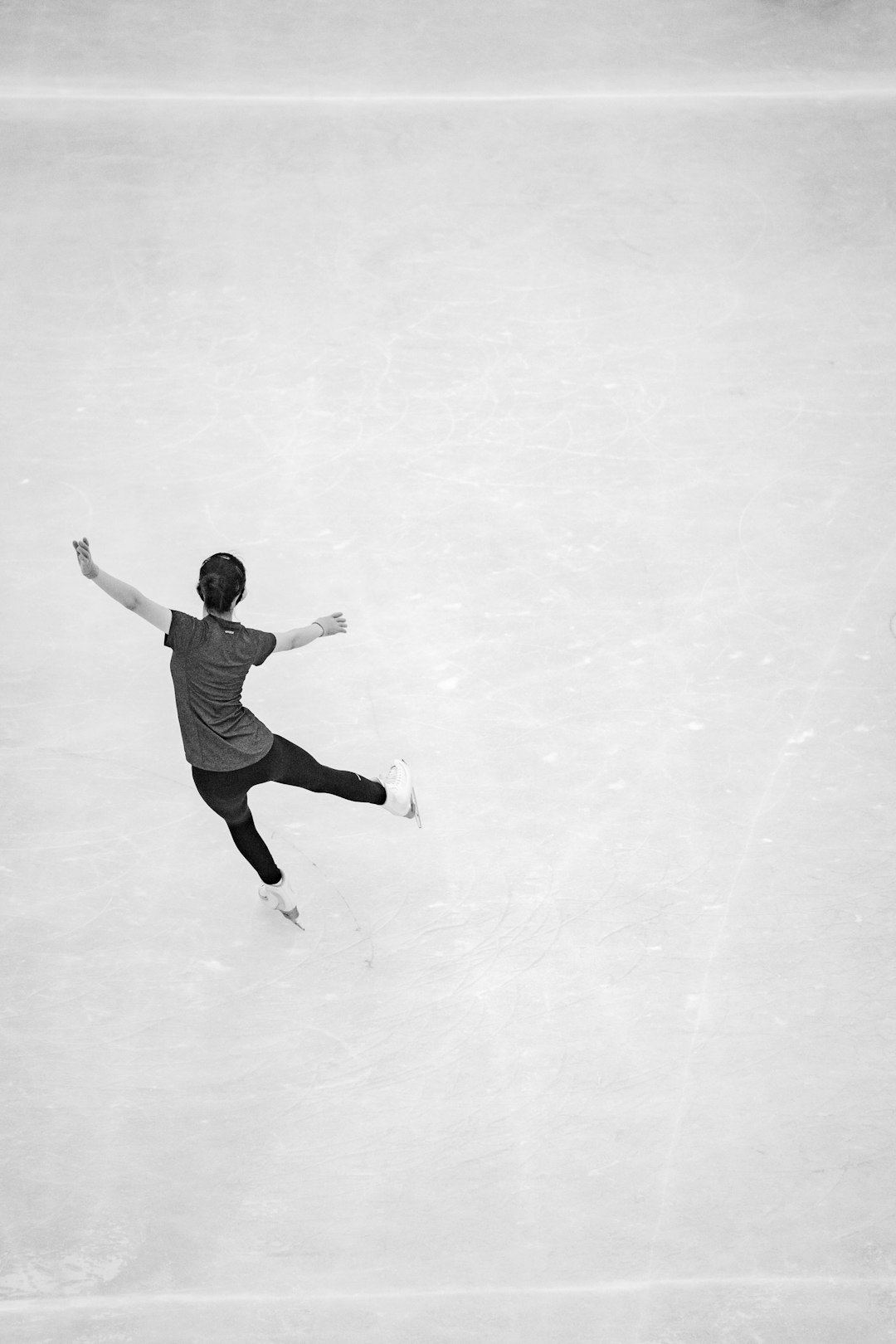
The sport involves numerous cardiovascular and muscular requirements that put skaters in league with high-performing athletes from other disciplines. Injuries such as stress fractures, concussions, and torn ligaments are common, further supporting the sport’s legitimacy as a high-impact, physically grueling activity.
Judging and Competition Format
One aspect that fuels the skepticism is the subjectivity in judging. While it’s true that figure skating incorporates artistic components, it also relies heavily on established technical scoring. Since 2004, the ISU (International Skating Union) has used the International Judging System (IJS), which breaks down each element according to its difficulty and execution score.
Each performance is evaluated on two main components:
- Technical Elements Score (TES): Based on jumps, spins, lifts, and other requirements
- Program Components Score (PCS): Assesses choreography, interpretation, and performance quality
Competitions are held at every level, from local clubs to the Winter Olympics, and medals are awarded accordingly. The same structure applies to singles, pairs, and dance divisions, each with its own standards and rules.
Similarities with Other Artistic Sports
Sports such as rhythmic gymnastics, synchronized swimming, and diving incorporate both athletic execution and artistic impression—just like figure skating. These sports maintain their Olympic status because they emphasize physical performance in tandem with artistic expression, rather than one over the other.
Moreover, these sports all share the use of a panel of judges, scored systems, and complex training routines. Thus, the presence of artistry does not diminish the physicality involved, nor does it invalidate the competitive aspect.
International Recognition and Olympic Status
Perhaps the most conclusive argument is figure skating’s longstanding presence in the Winter Olympics. It was first included in the 1908 Summer Olympics and became a staple of the Winter Games starting in 1924. Since then, it has grown in popularity and remains one of the most-watched events during Olympic seasons.
In addition, multiple governing organizations oversee its regulation, including:
- International Skating Union (ISU) – the authorized world body for figure skating competitions
- National Governing Bodies like U.S. Figure Skating and Skate Canada
- Olympic inclusion governed by the International Olympic Committee (IOC)
To reach such a level of global recognition, a sport must adhere to strict rules and a formal competitive framework. Figure skating meets all of these benchmarks.
Public Perception and Misconceptions
The skepticism around figure skating often stems from its unique blend of performance and sport. Detractors may argue that the inclusion of costumes, choreography, and music makes it more akin to a performance art. However, this misunderstanding overlooks the highly regimented and athletic aspects of the sport.
Additionally, figure skating may be unfairly compared to “show” skating performances like “Disney on Ice,” which contain no competitive element. This leads to confusion among spectators about what constitutes a true sporting event within the figure skating world.
As with other judged sports, occasional controversies have occurred, such as scoring disputes and biased judging. However, these are not exclusive to figure skating and are often addressed via continued oversight and reform in judging systems.
Conclusion
Though it blends artistry and sport, figure skating is unequivocally a sport. The physical training, competitive adherence to a rulebook, reliance on structured scoring, and international governance all support its classification. Those who dismiss it often overlook the immense athleticism and rigorous discipline required to excel on the ice.
Whether viewed as an art form or a competition, figure skating occupies a unique and prestigious place in the world of sports. Far from being mutually exclusive, its athletic and artistic elements enhance rather than diminish each other. The skaters are not just performers; they are elite athletes in every sense of the word.
Frequently Asked Questions (FAQ)
-
Is figure skating in the Olympics?
Yes. Figure skating has been part of the Winter Olympics since 1924 and remains one of its most prominent and celebrated disciplines. -
Does the artistry in figure skating weaken its classification as a sport?
Not at all. Many sports include artistic components. The physical requirements and competitive nature firmly place figure skating within the realm of sports. -
How are figure skating performances scored?
Skaters are scored under the International Judging System, which includes a Technical Elements Score and a Program Components Score, balancing objective metrics with trained subjective observation. -
How physically demanding is figure skating?
Extremely demanding. Skaters undertake rigorous training regimes focusing on strength, flexibility, endurance, coordination, and balance. -
What other sports are similar to figure skating?
Rhythmic gymnastics, synchronized swimming, ballet dancing contests, and diving are all comparable in terms of combining athletic skill with artistic presentation.