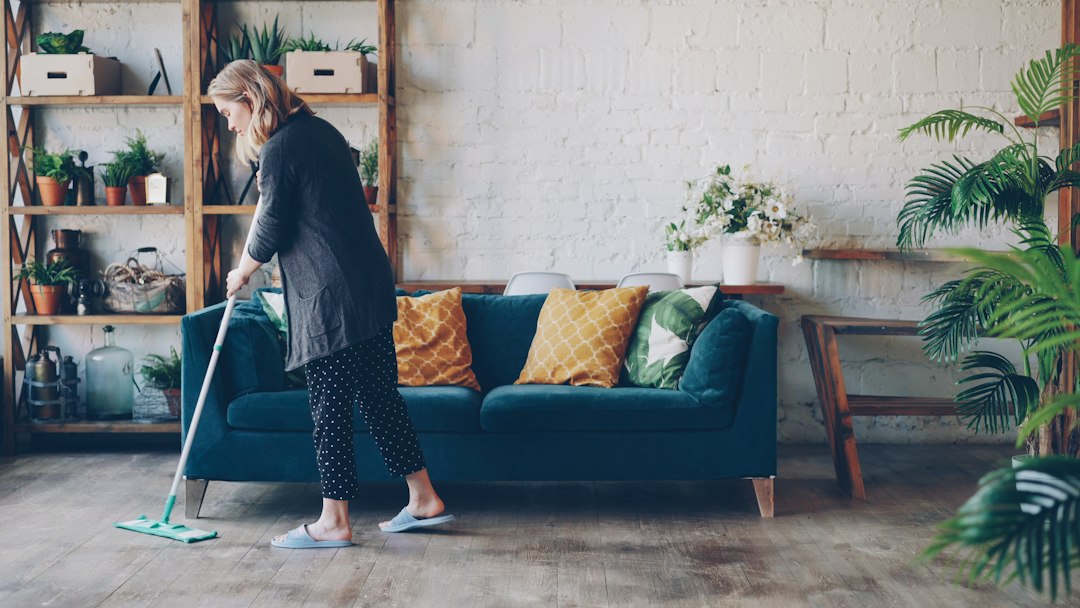

Use a barely damp microfiber mop, not a steam mop, to clean laminate floors safely. Laminate looks tough, but its seams and fiberboard core do not like excess water or heat. The North American Laminate Flooring Association recommends damp cleaning methods and warns against flooding the floor with water [source: NALFA]. That single rule saves you from swelling edges, cloudy film, and expensive plank replacement.
TLDR: Microfiber mops are the safer everyday choice for laminate because they clean with very little moisture. Steam mops can force heat and vapor into seams, especially on older floors or boards with tiny gaps. For example, if a 200-square-foot kitchen is cleaned weekly, switching from a wet or steam method to a lightly damp microfiber mop can cut standing moisture exposure by 80% or more. If your floor has dull streaks, start with less cleaner, not more.
Why laminate floors need gentle cleaning
Laminate flooring is made in layers. The top wear layer resists scratches. The image layer gives it the wood or stone look. Under that sits the core, often made from compressed fiberboard. That core is the weak spot.
When water slips between planks, the core can puff up. Once that happens, the raised edges rarely flatten again. Heat makes the problem worse. It can soften adhesives, stress the locking system, and push moisture deeper into seams.
It drives me crazy that many cleaning videos make laminate look like tile. It is not tile. You cannot soak it, blast it, and hope for the best.
Image not found in postmeta
Microfiber mops: the safest daily choice
A microfiber mop works well because it grabs dust, grit, pet hair, and fine debris without needing much liquid. The fibers act like tiny hooks. They pick up dirt instead of smearing it around.
For laminate, this is ideal. You want cleaning power with controlled moisture. A wrung-out microfiber pad should feel slightly damp, not wet. If you can see drops, puddles, or a glossy water trail, the mop is too wet.
Best way to clean with a microfiber mop
- Dry dust first. Use a dry microfiber pad, soft broom, or vacuum made for hard floors.
- Mix a mild cleaner. Use a laminate-safe cleaner or a small amount of gentle floor cleaner in water.
- Dampen the pad lightly. Wring it until it is nearly dry.
- Mop in sections. Work with the plank direction when possible.
- Dry any damp spots. Use a clean towel if moisture sits longer than a minute or two.
This method is simple, cheap, and forgiving. It also avoids residue buildup. Most streaks come from too much cleaner, dirty pads, or water that is too wet. The floor is not asking for a stronger product. It is asking for less mess.
Steam mops: convenient, but risky
Steam mops feel satisfying. They heat up fast, loosen grime, and promise chemical-free cleaning. On sealed ceramic tile, that can be useful. On laminate, the story changes.
Steam is water in a sneaky form. It can enter seams, expansion gaps, chipped corners, and worn spots. Once inside, it cools back into moisture. That moisture may stay trapped under the surface.
Some newer laminate floors are marketed as water-resistant. That does not always mean steam-safe. Water-resistant usually refers to spills cleaned up within a set time. It does not mean the floor can handle repeated hot vapor pushed under pressure.
Honestly, it feels like steam mop labels often leave homeowners guessing for 10 extra minutes in the cleaning aisle. One box says “safe for sealed floors,” another says “hard floors,” and neither clearly says what will happen to laminate seams after six months of weekly use.
When steam mops are most dangerous
- Older laminate floors with worn coatings or small gaps
- Cheap laminate with a less dense core
- Floors with chipped edges or damaged locking joints
- Rooms with spills, pet accidents, or past water damage
- Installations near kitchens, doors, or bathrooms where humidity is higher
Microfiber mop vs steam mop: which one wins?
| Feature | Microfiber Mop | Steam Mop |
|---|---|---|
| Moisture control | Excellent | Poor to risky |
| Heat exposure | None | High |
| Safe for seams | Yes, when barely damp | Often no |
| Best use | Routine cleaning | Tile, stone, some sealed surfaces |
| Cost of mistake | Low | Possible swelling or warping |
Winner for laminate: microfiber mop. It gives you more control. It also reduces the chance of hidden moisture damage. Steam may clean faster in the moment, but speed is not helpful if plank edges rise later.
The right cleaner for laminate floors
Use a product labeled for laminate or hard-surface floors. Spray it lightly onto the mop pad or floor, then wipe. Do not pour cleaner directly onto the surface.
Avoid these common troublemakers:
- Wax polish, which can leave a sticky film
- Oil soap, which can make floors slippery and dull
- Bleach, which may discolor surfaces
- Abrasive powders, which can scratch the wear layer
- Too much vinegar, which may dull some finishes over time
If you prefer a simple mix, use warm water with a few drops of mild dish soap. Keep it weak. More soap does not mean cleaner floors. It usually means haze.
How often should you clean laminate?
Most homes do best with a simple rhythm:
- Daily or every other day: Dry dust high-traffic areas.
- Weekly: Damp mop with microfiber.
- Immediately: Wipe spills, pet accidents, and muddy footprints.
- Monthly: Wash mop pads and check entry mats for trapped grit.
Grit is a quiet enemy. It acts like sandpaper under shoes. A good mat at each entrance can reduce tracked-in dirt by a large amount, especially during rainy or snowy seasons.
Image not found in postmeta
Common mistakes that damage laminate
The biggest mistake is using too much liquid. The second is letting cleaner dry on the floor. The third is scrubbing with rough pads.
Watch for these signs that your method is too aggressive:
- Edges look raised or curled
- Planks feel bumpy near seams
- The floor looks cloudy after drying
- Footprints appear right after mopping
- The surface feels tacky
If you see haze, rinse with a barely damp microfiber pad using plain water. Then dry with a clean towel. If seams are swelling, stop wet cleaning that area and contact the flooring manufacturer or installer.
Best practical routine
For safe laminate care, keep it boring. Dry remove grit. Damp mop lightly. Dry fast. Repeat. A microfiber mop with washable pads is the best tool for that routine.
Steam mops are not evil, but they are a gamble on laminate. If your floor warranty says no steam, believe it. If the manual is missing, play it safe. A $15 microfiber pad is a lot cheaper than replacing planks across the kitchen.
The safest rule is simple: if the floor looks wet after you mop, you used too much moisture. Laminate should dry quickly, look clean, and feel smooth underfoot. That is proper floor care.