
NHL playoff overtime is pure sudden death: teams play full 20-minute periods at 5-on-5 until someone scores. Regular-season overtime is shorter, faster, and built for scheduling: five minutes of 3-on-3, then a shootout if needed. That one difference changes almost everything, from coaching choices to player fatigue to how fans experience the game.
TLDR: In the Stanley Cup Playoffs, overtime uses full 20-minute periods with standard 5-on-5 hockey, and the game keeps going until a goal is scored. In the regular season, overtime lasts only five minutes at 3-on-3, followed by a shootout if nobody scores. For example, a tied game in November might end in 8 minutes of real time through a shootout, while a playoff game can stretch past midnight after two or three extra periods. Since roughly 60% to 70% of NHL regular-season overtime games are settled before the shootout in many seasons, 3-on-3 does its job: it creates chances fast.
Playoff Overtime Rules: The Simple Version
During the NHL playoffs, overtime is played almost exactly like regulation hockey. Each overtime period is 20 minutes. Teams skate 5-on-5, unless penalties change the numbers. The first goal wins. No shootout. No time limit. No charity point.
If nobody scores in the first overtime, the teams take an intermission and play another full period. If nobody scores again, they repeat the process. This can go on for hours. Honestly, it feels like the hockey gods enjoy testing everyone’s nerves, especially when the clock hits 1:00 a.m. and both goalies still look locked in.
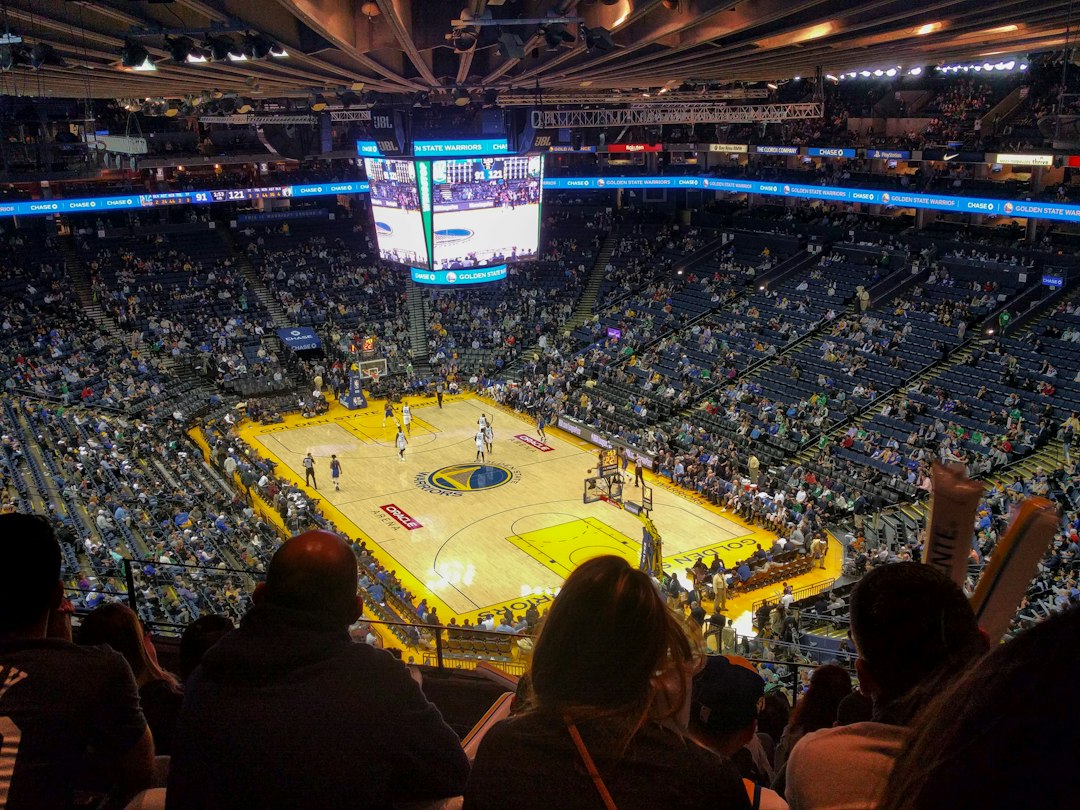
This format is why playoff overtime feels so tense. Every blocked shot matters. Every risky pinch by a defenseman could end the season. Coaches shorten the bench. Star players take huge shifts. Fourth-line players may sit for long stretches unless the team badly needs fresh legs.
Regular-Season Overtime Rules
Regular-season overtime is built to end games quickly. After three tied periods, teams play a five-minute sudden-death overtime at 3-on-3. If one team scores, the game ends. If nobody scores, the game goes to a shootout.
The 3-on-3 format opens the ice. There is more room for speed, passing, and breakaways. A single missed assignment can lead to a two-on-one the other way. It is exciting, but it is not the same sport as playoff overtime. It feels more like a skills contest inside a real game.
The shootout is even more separate from normal hockey. Each team sends shooters one at a time against the opposing goalie. If the score remains tied after the first three shooters per side, it continues round by round until someone wins.
- Regular season overtime: 5 minutes
- Skaters: 3-on-3
- If still tied: Shootout
- Points: Winner gets 2, overtime or shootout loser gets 1
Why the NHL Uses Different Rules
The regular season has 82 games per team. Travel is brutal. Teams often play back-to-back nights. Broadcast windows matter. Arenas need staff schedules. Fans need trains, parking, and sleep. So the NHL uses 3-on-3 and shootouts to keep games from dragging on forever.
The playoffs are different. A Stanley Cup series should not be decided by a shootout. That would drive plenty of fans crazy, and for good reason. Playoff hockey is about full-team structure, depth, endurance, and pressure. A breakaway contest would feel cheap after three periods of bruising hockey.
So the NHL keeps playoff overtime traditional. Same basic game. Same team format. Same grind. Win by playing hockey, not by picking three shooters.
Key Differences Between NHL Playoff Overtime and Regular-Season Overtime
| Rule Area | Playoffs | Regular Season |
|---|---|---|
| Period length | 20 minutes | 5 minutes |
| Skaters | 5-on-5 | 3-on-3 |
| Ending | First goal wins | Goal or shootout |
| Shootout? | No | Yes |
| Standings point for losing? | No | Yes |
How Penalties Work in Overtime
Penalty rules still apply in both formats, but the setup changes based on manpower. In playoff overtime, a minor penalty usually creates a normal 5-on-4 power play. If another penalty is called, it can become 5-on-3.
In regular-season 3-on-3 overtime, penalties are handled differently because teams cannot go below three skaters. If a player takes a penalty, the non-offending team gets an extra skater, creating a 4-on-3 power play. If another penalty follows, it may become 5-on-3. When the penalty ends, play may briefly shift to odd numbers until the next stoppage balances things again.
This can be confusing on TV score bugs. It sometimes takes a few seconds too long to understand why there are four skaters on one side and three on the other. The rule makes sense, but the display rarely helps as much as it should.
Why Playoff Overtime Feels So Different
Playoff overtime is heavier. Players look more cautious at first, then suddenly reckless when a chance appears. Defensemen avoid risky passes through the middle. Wingers chip pucks deep instead of forcing cute plays at the blue line. Goalies freeze pucks whenever they can.
The crowd changes too. Fans rise every time the puck enters the offensive zone. A harmless wrist shot can sound like a crisis. One rebound can turn an arena silent or send it into chaos.
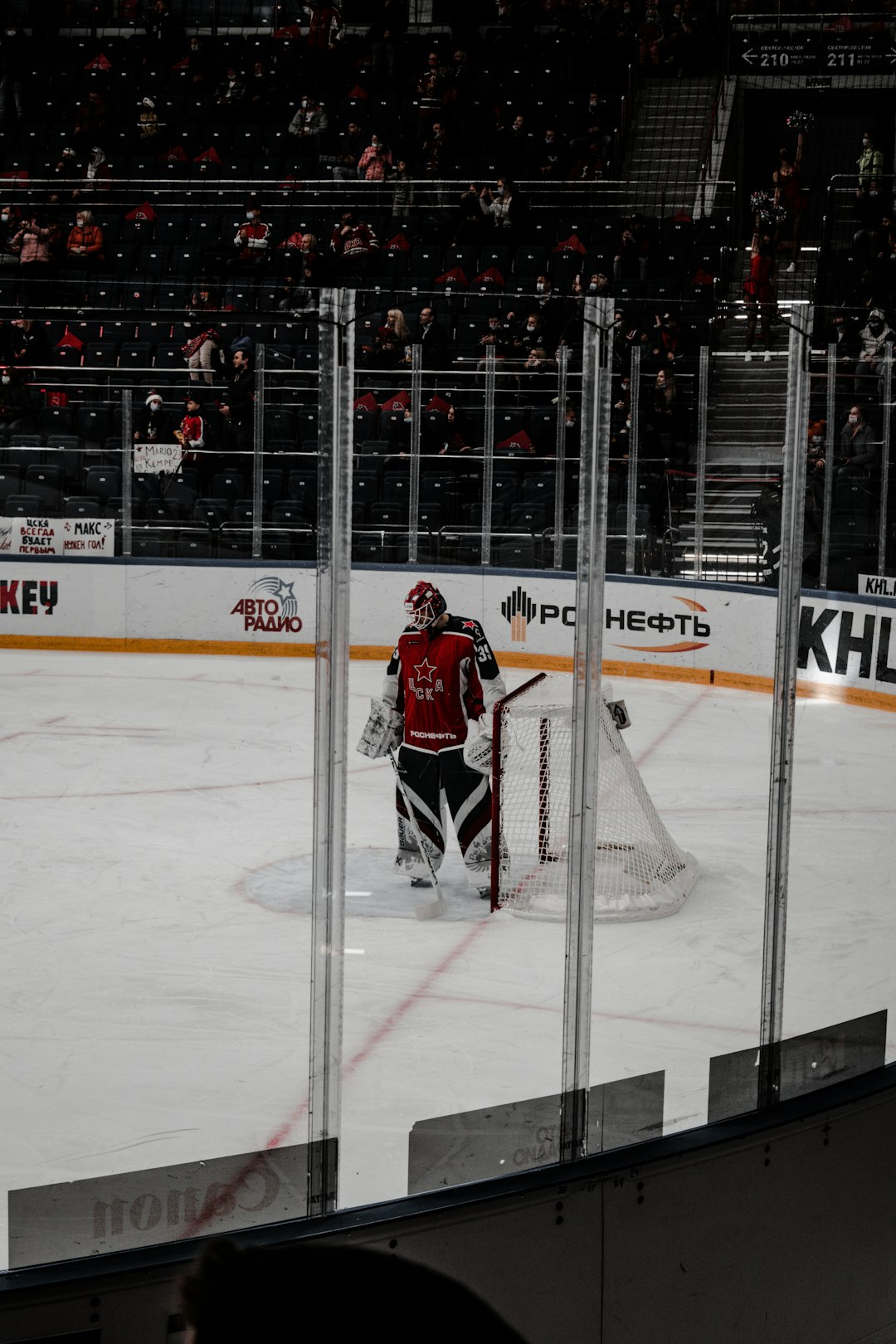
There is also a physical toll. A team that plays double overtime might skate nearly five full periods. If the series has another game two nights later, that fatigue matters. Coaches may have to manage tired defenders, sore forwards, and goalies who just faced 50 shots.
Famous Long Playoff Overtime Games
The NHL has a long history of marathon playoff games. The longest game in league history came in 1936, when the Detroit Red Wings and Montreal Maroons played into a sixth overtime. Mud Bruneteau scored for Detroit after more than 116 minutes of overtime alone.
Modern marathon games still happen. They are rare, but not rare enough for nervous fans. Triple overtime can turn a normal evening game into a next-day event. Snacks run out. Group chats melt down. Everyone starts bargaining with fate.
These games become part of hockey lore because the rules allow real endurance tests. No shootout cuts the story short. No gimmick ends it early. Just tired players, sharp goalies, and one puck that eventually finds the net.
Strategy: 5-on-5 Grind vs 3-on-3 Chaos
In playoff overtime, coaches value safe structure. Centers take short shifts. Defense pairs stay familiar. Teams want clean exits, smart dumps, and traffic at the net. A greasy rebound goal counts the same as a highlight-reel snipe.
Regular-season overtime rewards possession and skill. Teams may circle back into their own zone to keep the puck. They wait for a tired defender to get trapped. Speed matters more because open ice is everywhere.
- Playoff OT rewards: patience, depth, shot blocking, net-front battles
- Regular-season OT rewards: speed, puck control, breakaways, elite finishers
- Shootouts reward: goalie reads and individual scoring moves
What Fans Should Watch For
Watch the benches. In playoff overtime, coaches often lean on trusted players. If a third-pair defenseman stops appearing, that is no accident. Watch faceoffs too. An offensive-zone draw can create the winning goal in seconds.
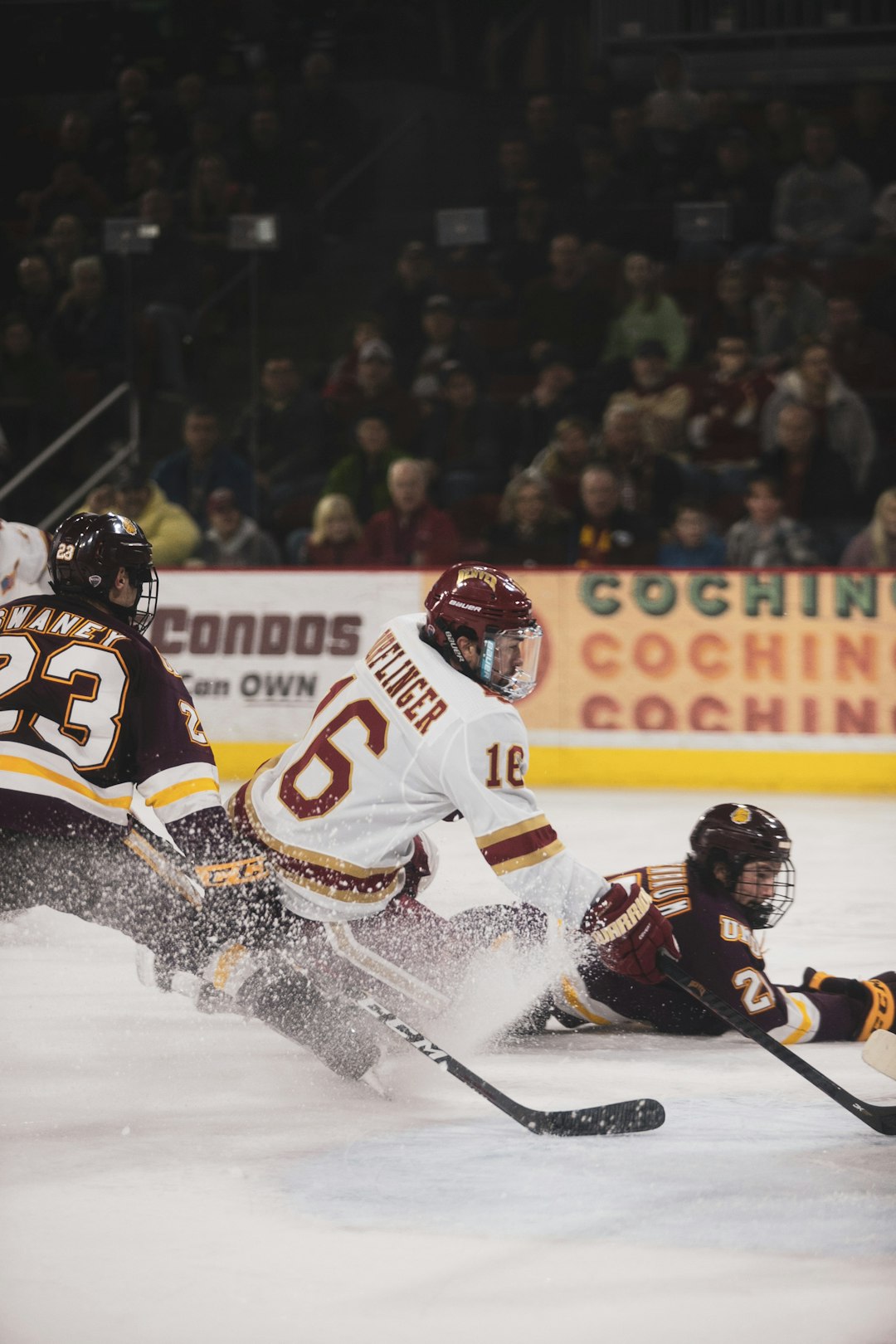
Also watch line changes. A bad change in overtime is deadly. One slow skate to the bench can open the ice for a rush. In regular-season 3-on-3, this is even more obvious because one open lane can decide the game.
The Bottom Line on Hockey Overtime Rules
NHL playoff overtime is designed to find a true hockey winner. It uses full periods, full teams, and no shootouts. Regular-season overtime is designed for speed and entertainment, with 3-on-3 play and a shootout backup.
Both formats have charm. Regular-season overtime is wild and quick. Playoff overtime is nerve-racking, exhausting, and unforgettable. If the Stanley Cup is on the line, sudden death at 5-on-5 is still the gold standard.