

The 2026 Olympic Winter Games in Milan and Cortina d’Ampezzo are set to blend Italian style, mountain drama, and one of the most competitive winter sports fields in recent memory. With events spread across iconic venues in northern Italy, the Games will reward both depth and star power: nations with complete winter programs should dominate the medal table, while individual legends and rising teenagers could define the headlines.
TLDR: Expect Norway, Germany, the United States, Canada, and the Netherlands to be among the strongest medal contenders, with Italy aiming for a memorable host-nation bump. Across roughly 116 medal events, even a small shift in performance can matter: for example, if Italy improves by just 20–25% over its recent Winter Olympic medal output, it could move close to the top ten. The biggest storylines include Mikaela Shiffrin’s chase for more alpine history, NHL players returning to Olympic hockey, and the emergence of new stars in freestyle skiing, snowboarding, and figure skating.
Who Could Win the Medal Table?
Norway enters any Winter Olympics as a medal-table favorite because its strength is not limited to one sport. The country is consistently elite in cross-country skiing, biathlon, Nordic combined, ski jumping, and speed events. Even if Norway misses gold in a few high-profile races, its ability to collect silver and bronze medals across many disciplines makes it extremely difficult to overtake.
Germany should again be formidable, especially in sliding sports. In bobsleigh, luge, and skeleton, German athletes have built one of the most reliable medal machines in the Olympic program. Add in biathlon and ski jumping, and Germany’s path to a top-five finish looks very realistic.
The United States has a broader and more unpredictable profile. Team USA’s medal hopes will likely depend on alpine skiing, freestyle skiing, snowboarding, speed skating, and hockey. The U.S. may not dominate one category the way Norway does in Nordic events, but it has enough contenders across the board to surge if its stars deliver.
Canada is another all-around threat, with particular strength in hockey, short track speed skating, freestyle skiing, curling, and snowboarding. Canadian teams tend to peak well in Olympic environments, and the return of NHL players could make the men’s hockey tournament one of the country’s defining opportunities.
The Netherlands remains the team to beat on the long track. Dutch speed skaters have repeatedly turned the oval into their own medal factory. If they perform near expectations, the Netherlands could rank unusually high despite being less competitive in many snow-based disciplines.

Host Nation Watch: Italy’s Big Opportunity
Host nations often benefit from familiar venues, crowd energy, and increased investment. For Italy, the 2026 Games are more than a sporting event; they are a national showcase stretching from Milan’s urban elegance to Cortina’s alpine tradition.
Italy’s best medal chances may come in alpine skiing, short track speed skating, luge, biathlon, and snowboard events. The country has enough star talent to produce emotional podium moments, especially in the mountains. A host-nation surge into the upper medal-table range is possible if Italian athletes convert outside chances into bronze medals and defend their strongest events.
Alpine Skiing: Shiffrin, Odermatt, and the Mountain Stage
Few Olympic storylines are as compelling as Mikaela Shiffrin. Already one of the greatest alpine skiers in history, she will enter 2026 with both enormous expectations and a chance to reshape her Olympic legacy. Her technical precision in slalom and giant slalom makes her a medal contender whenever she is healthy and in rhythm.
On the men’s side, Marco Odermatt is likely to be one of the central figures. The Swiss star’s power, balance, and consistency have made him a dominant force in giant slalom and speed events. If he arrives in peak form, he could be one of the faces of the Games.
Alpine skiing is also where home-country intensity will be especially high. Italian racers, competing on familiar snow and in front of passionate fans, could turn individual races into some of the loudest moments of the Olympics.
Hockey: NHL Stars Change Everything
The expected return of NHL players to the Olympics transforms men’s ice hockey into a must-watch tournament. Instead of a field shaped by absences, fans may finally get the best-on-best format they have wanted for years.
- Canada will bring unmatched depth and championship expectations.
- The United States could have one of its most talented Olympic rosters ever, especially with elite young forwards and defensemen.
- Sweden and Finland remain tactically disciplined, technically sharp, and dangerous in knockout games.
- Czechia, Switzerland, and Slovakia could play spoiler if goaltending catches fire.
In women’s hockey, the rivalry between Canada and the United States should again headline the tournament. The gap between those two and the rest has narrowed in moments, but a gold medal game featuring the North American powers remains the most likely scenario.
Figure Skating: Youth, Risk, and Big Scores
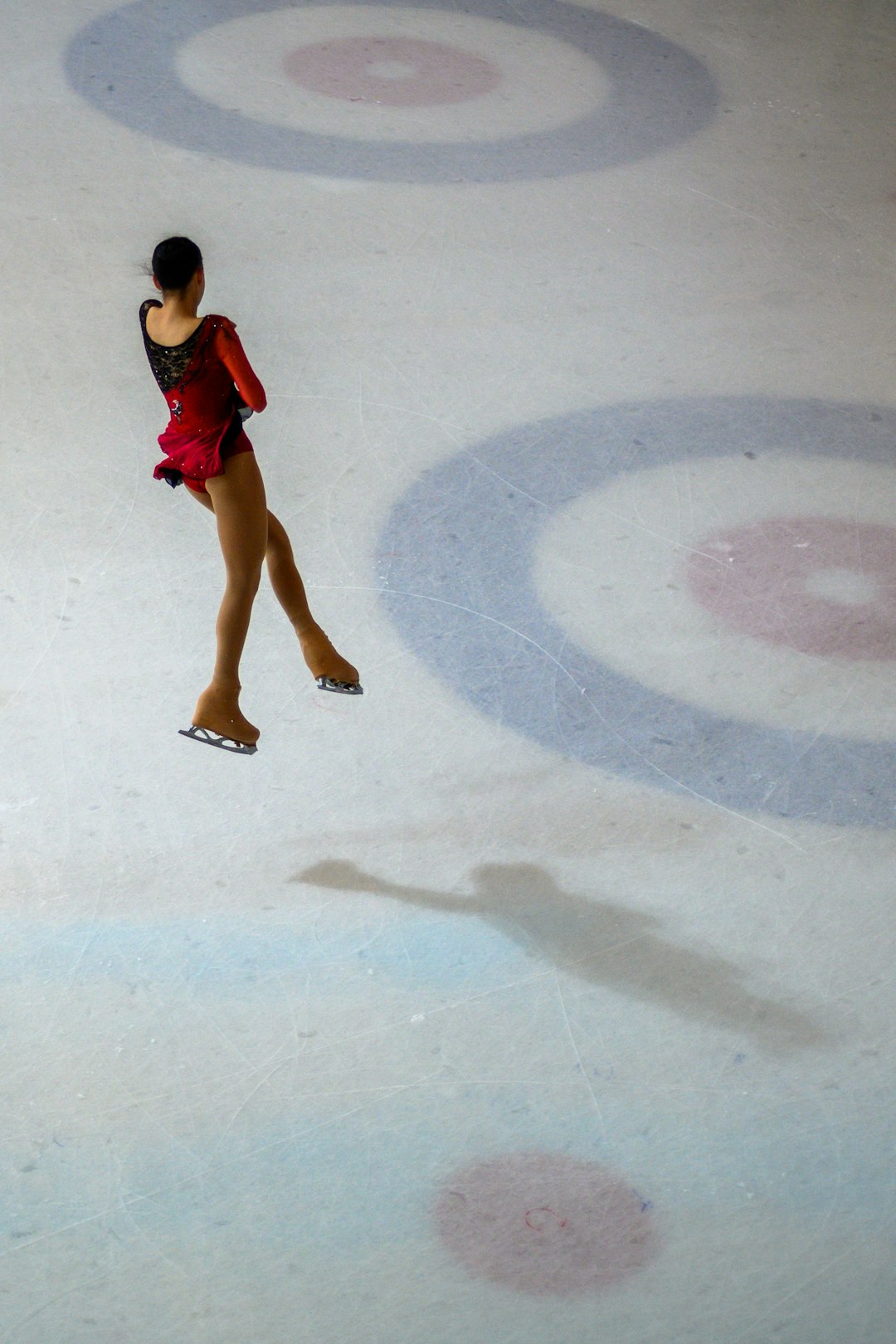
Figure skating in 2026 could be defined by technical ambition. In men’s skating, Ilia Malinin represents the sport’s new frontier, particularly because of his quad-jump arsenal and willingness to push difficulty. If he balances risk with clean execution, he could be the skater everyone else is chasing.
Japan should be central in both men’s and women’s competitions. Kaori Sakamoto, known for speed, strength, and consistency, could again be a major medal threat. Ice dance and pairs may be more open, where tiny differences in levels, edges, and program components can decide the podium.
Freestyle Skiing and Snowboarding: The X Factor Events
Freestyle skiing and snowboarding often provide the Olympics with its most viral moments. These events are difficult to predict because weather, judging, course conditions, and single-run risk can overturn expectations instantly.
Eileen Gu will be one of the most watched athletes if she competes across multiple freestyle events. Her combination of technical difficulty, composure, and star appeal makes her a major storyline beyond sport. In snowboarding, the continued progression of halfpipe, slopestyle, and big air means younger riders can arrive quickly and challenge established champions.
The United States, Canada, China, Japan, and New Zealand all have medal potential in these disciplines. Expect at least one teenager or first-time Olympian to become a breakout name within days.
Speed Skating and Short Track: Precision Versus Chaos
Long track speed skating is where the Netherlands will aim to pile up medals. Dutch athletes are traditionally strong from sprint distances through endurance races, and team pursuit events could add to the total. However, countries such as Japan, Canada, the United States, and South Korea can disrupt Dutch dominance in selected races.
Short track is a different world: more contact, more tactics, and more unpredictability. South Korea, China, Canada, and Italy should be watched closely. A single penalty, crash, or bold inside pass can completely rewrite the medal picture.
Biathlon, Cross-Country, and the Nordic Medal Engine
The Nordic events may once again determine the overall standings. Norway will target a large haul in cross-country skiing and biathlon, while Sweden, France, Germany, and Finland should also be highly competitive. Biathlon is especially compelling because it mixes endurance with shooting pressure: an athlete can ski brilliantly for 95% of the race and lose the podium with one missed target.
Cross-country skiing could feature a mix of veteran champions and rising specialists. Team events, relays, and mass starts create room for tactical surprises, making them essential viewing for anyone tracking the medal table.
Final Prediction: Depth Wins, Stars Define the Games
The safest medal-table prediction is that Norway will be extremely difficult to beat, with Germany, the United States, Canada, and the Netherlands close behind in different ways. Italy’s host advantage could produce one of the feel-good stories of the Games, while Switzerland, Austria, Sweden, France, Japan, South Korea, and China should all fight for significant medal totals.
But Olympic history rarely follows the spreadsheet. A favorite falls, a teenager lands an impossible trick, a goalie steals a semifinal, or a skier wins by one hundredth of a second. That tension between data and drama is what makes the 2026 Winter Olympics so appealing: the contenders are clear, but the defining moments are still waiting to happen.