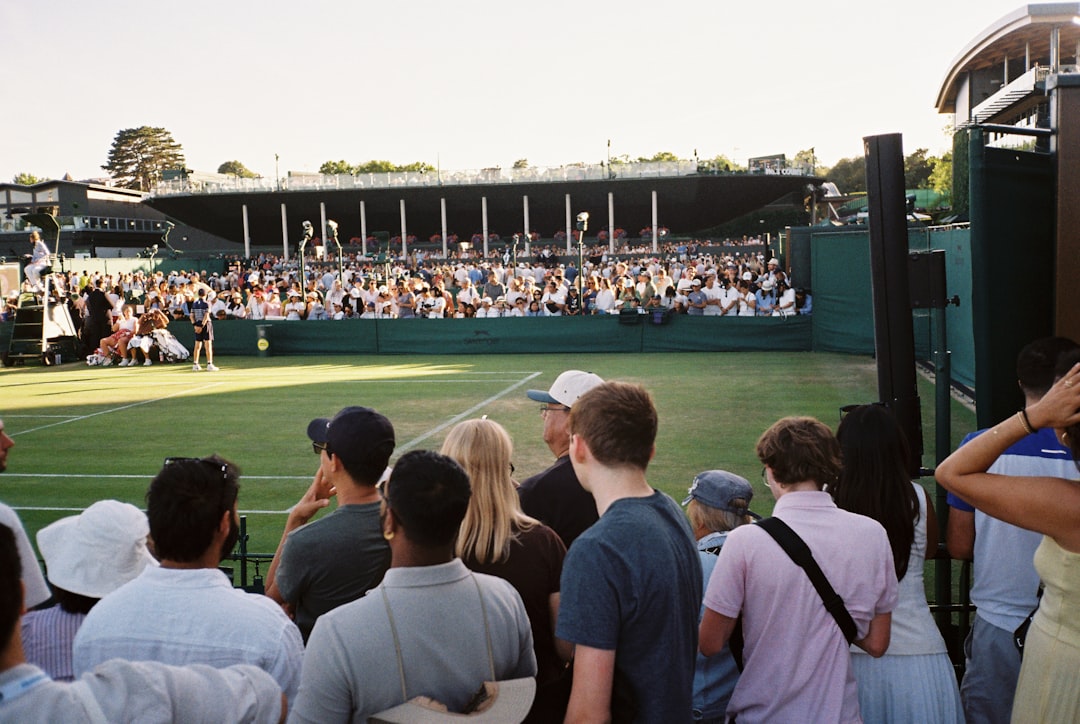

Wimbledon remains the toughest Grand Slam to forecast because grass compresses margins: one strong serving day, one slippery movement pattern, or one brief tiebreak lapse can change an entire fortnight. For 2026, the most credible betting approach is not to chase names blindly, but to separate title probability from market price. The favorites are likely to be familiar, yet the best value may sit just below the top line.
TLDR: The leading 2026 Wimbledon contenders should come from the elite all-court group: Carlos Alcaraz, Jannik Sinner, Aryna Sabalenka, Elena Rybakina, Coco Gauff, and Iga Swiatek. A practical betting model would price the top men’s favorite around 22% to 28% implied win probability, while the women’s draw may be more open, with the leading player closer to 14% to 20%. For example, if Rybakina is offered at odds implying only a 10% chance but your model rates her at 15%, that is meaningful value. Dark horses with serve, aggression, and fast-court comfort deserve special attention.
How to Think About Wimbledon 2026
Grass-court tennis rewards a specific profile: clean first-strike hitting, efficient movement, reliable serving under pressure, and the ability to shorten points without losing discipline. Clay-court dominance does not always translate, and hard-court form must be adjusted for lower bounce and faster rallies. A serious prediction should weigh at least four variables:
- Grass history: results at Wimbledon, Queen’s, Halle, Berlin, Eastbourne, and Bad Homburg.
- Serve plus return balance: players who can win cheap points but still break serve consistently.
- Physical durability: Wimbledon best-of-five on the men’s side exposes even small fitness concerns.
- Draw volatility: a dangerous unseeded opponent can reduce a favorite’s value immediately.
Men’s Favorites: Alcaraz and Sinner Set the Standard
Carlos Alcaraz should be viewed as one of the clearest favorites for Wimbledon 2026. His game is naturally suited to grass because he can transition forward, improvise from low balls, and change direction faster than most rivals. His biggest advantage is tactical variety: he can win through power, defense, net play, or emotional momentum. If fully healthy, a fair pre-draw range for him could sit around 24% to 28%.
Jannik Sinner is nearly as compelling. His flatter ball striking, elite timing, and improved serve make him dangerous on faster courts. The concern is not quality but adaptability: on grass, he may need to be more comfortable finishing points at the net and handling awkward, skidding exchanges. Still, if bookmakers price him below a 20% implied chance, there may be value depending on his draw.
Novak Djokovic, if active and physically prepared, cannot be dismissed. His return, grass instincts, and tiebreak resilience have historically made him one of the most difficult players to beat at Wimbledon. However, by 2026, the central question is not pedigree but physical ceiling over seven matches. He may be more attractive as a match-by-match bet than as an outright if the market overreacts to past dominance.
Women’s Favorites: Power, Precision, and Health Matter
The women’s Wimbledon market is often more sensitive to form and draw than the men’s. Elena Rybakina should remain one of the most logical favorites because her serve and first-strike forehand are tailor-made for grass. If she arrives healthy, she belongs near the top of any projection. A reasonable fair probability could be 14% to 18%, with value appearing if the market underprices her due to inconsistent lead-up results.
Aryna Sabalenka is another major contender. Her power can overwhelm opponents on grass, especially when her serve percentage is stable. The risk is error management: if rallies become rushed, she can give away games quickly. Still, her ceiling is high enough to justify favorite status in most draws.
Coco Gauff offers a different profile. Her athleticism, defensive range, and improving serve make her a serious threat, particularly if she avoids big hitters early. Wimbledon success for Gauff may depend on whether her forehand holds up against low, fast balls. If that technical area is stable, she is a credible title candidate.
Iga Swiatek is more complicated. She is a champion-level player in any event she enters, but grass has historically required the most adjustment from her. Her return game and professionalism give her a high floor, yet her outright price must reflect surface risk. If priced like a dominant favorite, caution is warranted; if priced closer to 12% implied probability, she becomes more interesting.

Dark Horses to Watch
Wimbledon dark horses are not simply lower-ranked players; they are players whose skills become more valuable on grass than on other surfaces. On the men’s side, Jack Draper is a natural candidate if his fitness is reliable. Left-handed power, home support, and a heavy serve can make him dangerous deep into the second week. Ben Shelton also fits the category because his serve can drag matches into tiebreaks, where small edges matter. Players such as Arthur Fils or Jakub Mensik could also become disruptive if their grass movement continues to develop.
On the women’s side, Mirra Andreeva has the ball control and competitive maturity to outperform her age profile, though grass remains a development test. Qinwen Zheng has the serve and forehand to beat top players quickly if she finds rhythm. Karolina Muchova, when healthy, is especially interesting because her variety, slice, and net instincts translate beautifully to Wimbledon conditions.
Where the Betting Value May Be
The most common mistake in Grand Slam betting is confusing “most likely winner” with “best bet.” A player can be the rightful favorite and still be poor value if the odds are too short. Bettors should convert odds into implied probability and compare them with their own projection.
- Men’s outright value: look for Alcaraz above a fair price, Sinner if discounted by a difficult but manageable draw, or a high-serve outsider each way.
- Women’s outright value: Rybakina and Sabalenka are strongest if their prices do not fully reflect grass advantage; Gauff and Swiatek require more price discipline.
- Match betting: consider underdogs with elite serving in early rounds, especially against returners who dislike low bounce.
- Live betting: grass momentum can shift quickly, but avoid chasing after one poor service game; focus on first-serve percentage and return depth.
As a simple example, odds of 8.00 imply a 12.5% chance before bookmaker margin. If your model gives that player a 16% chance, the edge is real. If your estimate is only 10%, the name may be attractive, but the bet is not.
Key Risks Before Placing Any Bet
Final predictions should not be locked in until the draw, injury news, and grass warm-up results are clear. Wimbledon has a short preparation window, so a player’s movement in the week before the tournament can matter more than a ranking number. Weather also changes conditions: warm, dry days tend to reward aggressive servers, while cooler conditions can give returners slightly more time.
Bottom line: for Wimbledon 2026, Alcaraz and Sinner look like the safest men’s anchors, while Rybakina, Sabalenka, Gauff, and Swiatek form the core of the women’s conversation. The best betting value, however, may come from disciplined pricing rather than bold predictions. Treat favorites with respect, dark horses with curiosity, and odds with skepticism.