
Sheila Townsend is best understood as a figure connected with a fascinating but often underdocumented chapter in modern design history: the emergence of women in mid-20th-century professional design studios, particularly in automotive styling. While she is not as widely known as the executives and celebrity designers who dominated public attention, her career reflects the growing recognition that products were not only machines or status symbols, but also lived experiences shaped by comfort, taste, usability, and everyday needs.
TLDR: Sheila Townsend was associated with the mid-century movement that brought more women into professional design, especially in the world of automotive styling and interiors. Her work is notable because it represented a broader shift toward user-centered thinking, including attention to comfort, color, materials, storage, and the daily realities of drivers and passengers. Although public records about her personal life are limited, her career remains meaningful as part of the history of women who helped reshape industrial design from inside major studios.
Early Life and Background
Compared with many famous male designers of the same era, Sheila Townsend’s biography is not extensively documented. This lack of detail is itself revealing. During the 1940s, 1950s, and early 1960s, women’s contributions to industrial design were frequently described collectively rather than individually. Their names might appear in internal company materials, exhibition notes, or design histories, but the fuller stories of their education, personal ambitions, and creative processes were often left out of the public record.
What can be said with confidence is that Townsend belonged to a generation of professionally trained women who entered design at a time when the field was changing rapidly. Postwar consumer culture placed new emphasis on style, comfort, color, and convenience. Homes, appliances, furniture, and automobiles were being marketed not only as practical goods, but as expressions of identity. For someone with artistic training and a sensitivity to how people used objects, this was an exciting period in which to work.
Her story matters partly because it highlights a wider historical truth: many important design improvements did not come from one famous inventor, but from teams of specialists who observed how people lived and translated those observations into better products.
Image not found in postmetaCareer in Design
Sheila Townsend is most often discussed in relation to the changing culture of automotive design during the mid-20th century. At that time, major car companies were beginning to recognize that women were influential consumers, drivers, and decision-makers. This realization encouraged studios to hire women designers, especially for work involving interiors, color, trim, fabrics, accessories, and practical features.
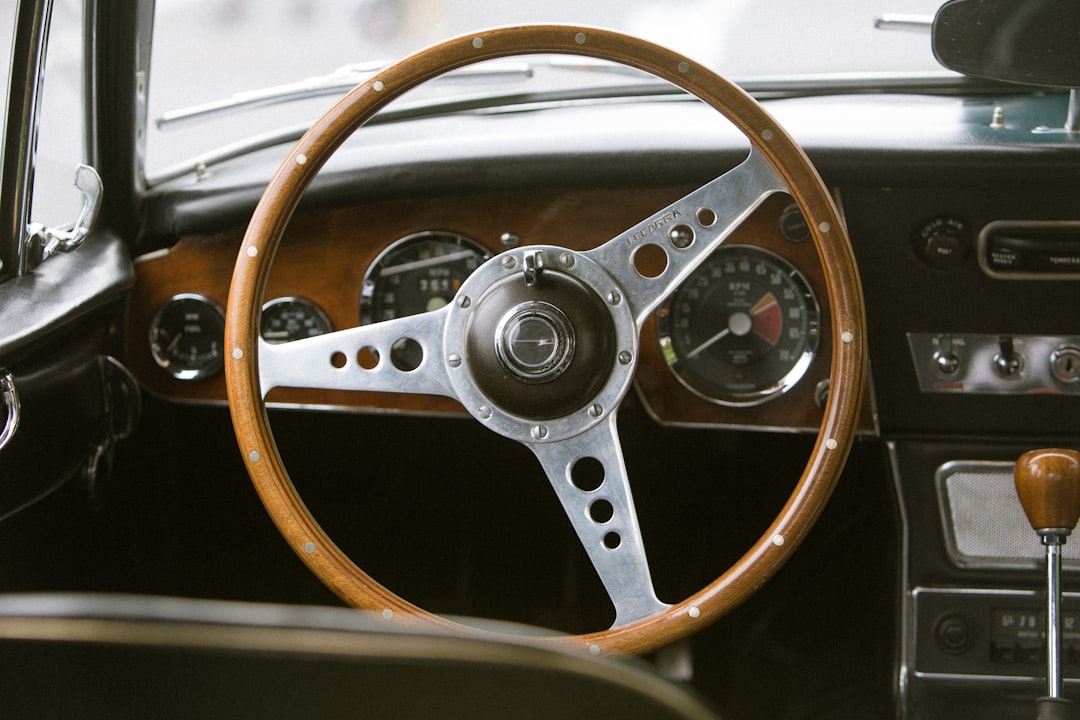
In the automotive world, exterior styling often received the most dramatic attention: fins, chrome, grilles, and sweeping silhouettes. Yet the interior was where people actually spent their time. Designers like Townsend helped bring attention to questions such as:
- How comfortable is the seating?
- Are controls easy to reach and understand?
- Do colors and materials create a pleasant atmosphere?
- Is there enough storage for ordinary daily items?
- Does the vehicle feel welcoming as well as impressive?
This type of thinking was not merely decorative. It anticipated what is now commonly called user-centered design. Today, designers routinely study user behavior, ergonomics, accessibility, and emotional response. In Townsend’s working environment, these ideas were still developing, and women designers were often expected to bring a “domestic” or “consumer” perspective. While that expectation reflected the gender assumptions of the time, many women used the opportunity to broaden the meaning of industrial design itself.
The “Damsels of Design” Context
Townsend’s name is often placed within the larger context of the group of women designers associated with General Motors during the 1950s, popularly known as the “Damsels of Design.” The phrase sounds dated today, and it certainly reflects the era’s tendency to package women’s professional achievements in patronizing language. However, behind that label were serious designers working within one of the most powerful industrial design organizations in the world.
These women contributed to concept cars, exhibitions, interiors, product displays, and design research. Their work helped demonstrate that automotive design was not only about horsepower and engineering, but also about how a vehicle fit into everyday life. They considered the needs of families, commuters, shoppers, travelers, and people who wanted technology to feel stylish rather than intimidating.
For Townsend, this setting would have meant collaboration with teams of stylists, modelers, engineers, and marketing experts. The process of designing a car interior required attention to both imagination and constraint. A beautiful idea still had to work with manufacturing limits, safety requirements, material durability, and cost. That balance between creativity and practicality is one of the defining challenges of industrial design.

Notable Achievements
Because individual credits from large corporate design studios were not always carefully publicized, it can be difficult to assign specific models or features solely to Sheila Townsend. Nevertheless, her notable achievements can be understood in terms of influence, representation, and design philosophy.
- Advancing women’s presence in industrial design: Townsend represents a generation of women who entered professional studios when such opportunities were still limited.
- Supporting a broader view of automotive styling: Her work was part of the movement that treated interiors, colors, materials, and convenience features as central to the driving experience.
- Contributing to user-focused design: By emphasizing how people actually interacted with products, designers like Townsend helped move industrial design beyond surface appearance.
- Challenging narrow assumptions: Her career pushed against the idea that technical and industrial creativity belonged only to men.
One of Townsend’s most meaningful achievements is therefore historical rather than purely individual. She helped occupy professional space that had not been easily available to women before her. Every woman who worked successfully in a major design studio made it harder for companies to claim that women had no place in industrial creativity.
Design Style and Legacy
Townsend’s legacy is connected to a style of thinking that values the relationship between objects and users. Mid-century cars were often symbols of speed, prosperity, and futuristic optimism. But they were also everyday environments. A door handle, a seat texture, a dashboard layout, or a storage compartment could shape someone’s daily mood as much as the curve of a fender.
This attention to experience is one reason her work remains interesting today. Modern product design, whether in cars, phones, furniture, or software, depends heavily on understanding the user. Designers now talk about journeys, touchpoints, accessibility, and emotional design. Townsend’s era used different language, but many of the concerns were already present.

Why Sheila Townsend Still Matters
Sheila Townsend matters because her story reveals how design history is built not only by famous names, but by skilled professionals whose contributions were sometimes hidden inside teams, departments, and corporate branding. Her career reflects the challenges faced by women who entered competitive creative industries before equality was widely discussed in professional terms.
She also matters because she represents a turning point in how companies understood consumers. Cars were not simply machines to be admired from the outside; they were spaces people inhabited. By helping shape that understanding, Townsend and her peers influenced the direction of modern design.
In the end, Sheila Townsend’s biography is a reminder to look more carefully at the people behind everyday objects. Her career may not be documented with the completeness it deserves, but her place in the history of design remains valuable. She stands as part of a generation that made industrial products more thoughtful, more livable, and more responsive to the people who used them.