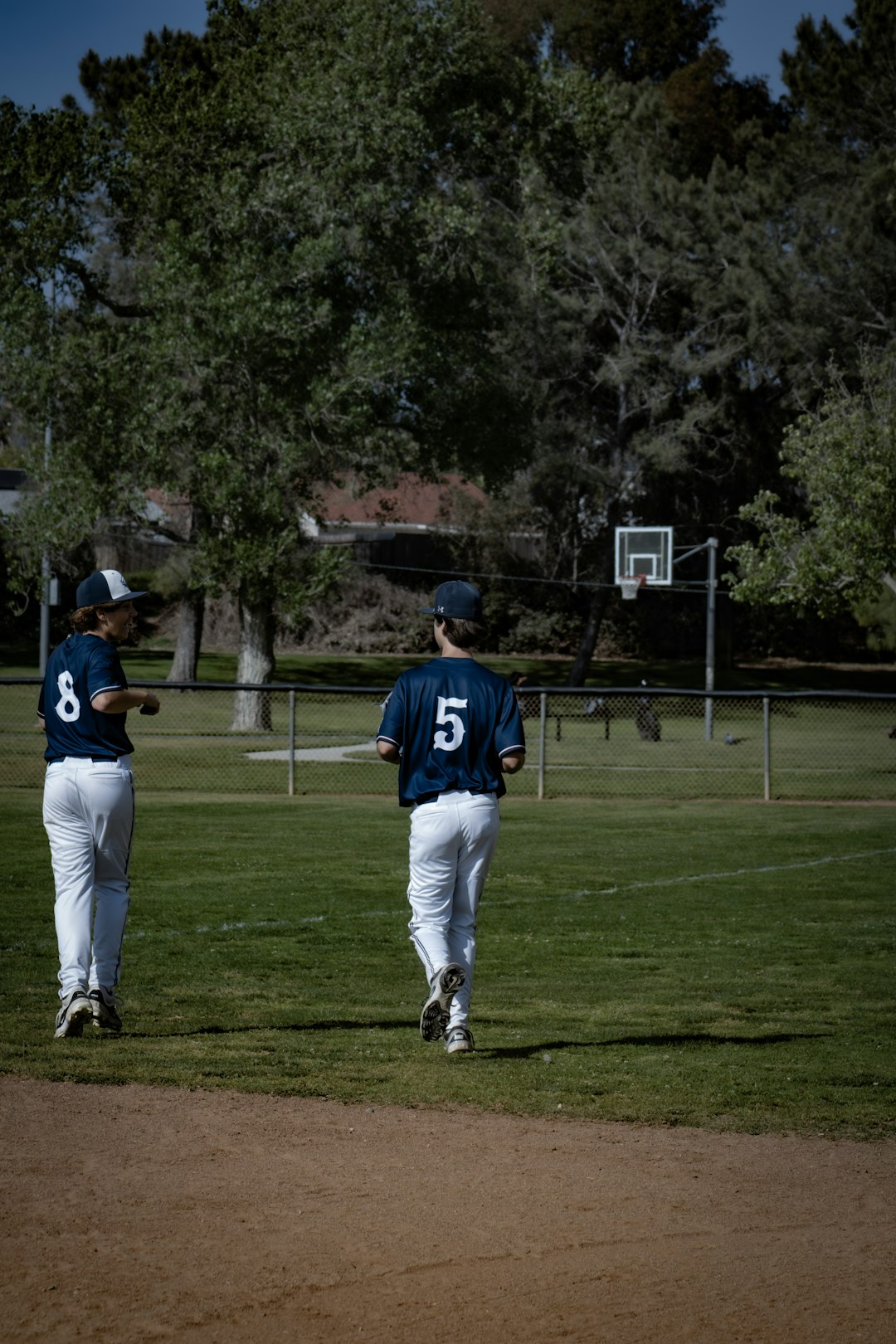

College softball has a rhythm of its own: fast pitching, aggressive base running, and games that can swing quickly in one inning. For fans, parents, athletes, and new viewers, one of the first questions is simple: how many innings are in college softball? Under standard NCAA rules, the answer is straightforward, but run rules, weather, and extra innings can change how long a game actually lasts.
TLDR: A regulation NCAA college softball game is 7 innings. If the score is tied after seven innings, the game continues into extra innings until a winner is determined. The NCAA also uses a run rule, often called the mercy rule, which can end a game early when one team has a large lead. In many NCAA games, that rule applies when a team leads by 8 or more runs after 5 innings.
How Many Innings Are in NCAA College Softball?
A standard college softball game is scheduled for 7 innings. Each inning has two halves: the visiting team bats in the top half, and the home team bats in the bottom half. Each half-inning continues until the defensive team records three outs.
This 7-inning format is one of the key differences between college softball and Major League Baseball, which uses 9 innings. Softball games are generally shorter, though pace can vary based on pitching changes, offensive production, defensive errors, and reviews. A typical NCAA softball game often lasts around two hours, but close tournament games or high-scoring matchups can run longer.
If the home team is leading after the visiting team completes its turn in the top of the seventh inning, the bottom of the seventh is not played. Since the home team already has the lead and does not need another at-bat, the game ends immediately.

What Counts as a Regulation Game?
In NCAA softball, a game generally becomes official after five completed innings, or after four and a half innings if the home team is ahead. This matters in situations involving weather, darkness, field conditions, or other interruptions.
If a game is stopped before it becomes official, NCAA rules and competition policies determine whether it is suspended, resumed later, or replayed. In regular-season play, conference rules may also affect how halted games are handled. In postseason tournaments, games are usually completed whenever possible because advancement depends on a final result.
For a normal completed game, however, the target remains seven innings unless the run rule or extra innings applies.
The NCAA Softball Run Rule Explained
The run rule, commonly called the mercy rule, allows a game to end early when one team has built a significant lead. In NCAA softball, the standard run rule is usually:
- 8 runs after 5 innings
- 8 runs after 4 and a half innings if the home team is ahead
For example, if the visiting team leads 10-2 after five complete innings, the game may end because the visiting team is ahead by eight runs. If the home team leads 9-1 after the visiting team bats in the top of the fifth, the game can end without the home team batting in the bottom half.
The run rule helps protect athletes, preserve pitching staffs, and keep lopsided games from extending unnecessarily. It also creates strategic pressure: a team that falls behind early must score quickly before the game reaches the rule threshold.
Does the Run Rule Apply in the NCAA Tournament?
Yes, the NCAA run rule can apply in tournament play as well. In many NCAA postseason games, including regional and super regional competition, the run rule remains part of the game structure. The Women’s College World Series may also use run-rule procedures according to NCAA championship rules.
Because tournament games are high stakes, some fans are surprised when a postseason game ends early. However, the rule is not based on the importance of the game; it is based on the score and inning. If the required inning threshold has been reached and the lead is large enough, the game can end just like it would during the regular season.

What Happens If the Game Is Tied After 7 Innings?
If a college softball game is tied after seven innings, it does not end in a tie under normal NCAA competition rules. Instead, the teams play extra innings. The eighth inning begins with the visiting team batting, followed by the home team, just like any other inning.
Extra innings continue until one team has more runs than the other after a completed inning. If the visiting team scores in the top of an extra inning, the home team still gets a chance to bat in the bottom half. If the home team then takes the lead, the game ends immediately in walk-off fashion.
Unlike some international softball formats, NCAA softball does not always begin extra innings with an automatic runner on second base in standard play. Rules can vary in certain events or under specific tournament procedures, but the traditional NCAA format plays extra innings as normal innings unless a competition authority has adopted a specific modification.
How Long Can Extra Innings Last?
There is no fixed maximum number of innings in a standard NCAA softball game. A game can continue into the eighth, ninth, tenth, or beyond until a winner is decided. Long extra-inning games are uncommon but memorable, especially when dominant pitchers keep both lineups from scoring.
Extra innings often change the feel of a game. Coaches may use more bunting, pinch running, defensive substitutions, and intentional walks. Pitchers may face fatigue, and hitters often become more familiar with pitch patterns. Every base runner becomes more valuable because one run can decide the game.
College Softball vs. Other Levels
The 7-inning format is common across many levels of softball, including high school, travel ball, and college. However, rule details can differ. Some youth tournaments use time limits, modified run rules, or international tiebreaker rules to keep schedules moving.
College softball is more standardized because NCAA rules govern official competition. Still, individual conferences and tournaments may set additional administrative policies regarding delays, suspended games, and scheduling. That is why official game rules are often reviewed before tournaments or televised events.

Why Softball Uses 7 Innings Instead of 9
Softball developed with a different field size, pitching distance, and pace than baseball. The ball is larger, the bases are closer together, and elite pitchers can dominate from a shorter distance. Because action happens quickly and scoring opportunities can develop fast, seven innings provide a balanced game length.
The format gives both teams enough chances to adjust while keeping games compact and intense. It also supports tournament scheduling, where teams may play multiple games over a weekend or during postseason events.
Key Takeaways
- A standard NCAA college softball game lasts 7 innings.
- A game can become official after 5 innings, or 4 and a half if the home team leads.
- The NCAA run rule commonly ends a game when a team leads by 8 or more runs after 5 innings.
- If the score is tied after seven innings, the game goes to extra innings.
- Extra innings continue until one team wins after a completed inning.
FAQ
How many innings are played in college softball?
College softball games are scheduled for 7 innings under NCAA rules.
Can a college softball game end before 7 innings?
Yes. A game can end early because of the run rule, weather, darkness, or other official circumstances once regulation requirements are met.
What is the NCAA softball run rule?
The standard NCAA run rule is commonly 8 runs after 5 innings, or after 4 and a half innings if the home team is ahead by at least eight runs.
What happens if a college softball game is tied after 7 innings?
The game goes into extra innings and continues until one team has the lead after a completed inning.
Does the home team always bat in the seventh inning?
No. If the home team is already leading after the visiting team bats in the top of the seventh, the game ends and the bottom of the inning is not played.
Are college softball games ever 9 innings?
Not under standard NCAA softball rules. A regulation game is 7 innings, though extra innings can make a tied game last longer than nine innings.