
Horse racing has always carried a language of its own: brief, memorable, and often rooted in hard experience. The best racing quotes are not only about speed; they are about patience, judgment, courage, discipline, and respect for the horse. Whether spoken by trainers, writers, riders, or passed down as stable wisdom, these sayings continue to resonate because they reflect the realities of competition and the character required to endure it.
TLDR: Horse racing quotes often capture lessons that reach beyond the track: preparation matters, character counts, and victory is rarely accidental. The most inspiring sayings honor both the athleticism of the horse and the patience of the people behind each performance. Below are ten thoughtful quotes and sayings that reflect the seriousness, risk, and beauty of the sport.

1. “The race is not always to the swift, nor the battle to the strong.”
This famous line, often associated with Ecclesiastes 9:11, is one of the most enduring sayings connected with racing. On the surface, horse racing rewards speed, but every experienced follower of the sport knows that speed alone is not enough. Track conditions, pace, distance, temperament, training, and timing all influence the result.
The quote is inspiring because it reminds us that outcomes are never guaranteed. A horse with perfect form can lose; a long shot can find the right moment. In racing, as in life, preparation matters, but humility is essential.
2. “A horse gallops with his lungs, perseveres with his heart, and wins with his character.”
This saying is widely attributed to the legendary Italian breeder and trainer Federico Tesio, though variations exist. It captures a central truth of racing: physical ability is only part of greatness. A horse may have speed and stamina, but the will to compete is something different.
Trainers often speak of horses that “want to win.” It is not a sentimental idea; it is an observation built from countless mornings and afternoons watching horses respond under pressure. The quote honors the full nature of the racehorse: body, spirit, and temperament working together.
3. “There is no secret so close as that between a rider and his horse.”
This saying reflects the quiet partnership at the center of the sport. From the outside, racing can appear to be a test of speed measured by fractions of seconds. From the inside, it depends heavily on trust. A jockey must sense when to wait, when to ask, when to conserve energy, and when to commit.
The horse, in turn, must accept signals in a fast, crowded, and often stressful environment. This quote is inspiring because it recognizes that great performances are not mechanical. They are built on communication, confidence, and mutual respect.
4. “You can tell a gelding, you can ask a stallion, but you must discuss it with a mare.”
This old horseman’s saying is frequently repeated because it carries humor and practical wisdom. In racing stables, personality matters. Some horses are straightforward, some are proud, and some require careful negotiation. The line is not a rule, but it points to the importance of knowing each horse as an individual.
Serious trainers understand that a one-size-fits-all approach rarely works. Feeding, exercise, schooling, rest, and race placement must be adapted. The saying inspires patience and observation, two qualities that separate skilled horsemanship from mere routine.
5. “A good horse should be seldom spurred.”
This concise saying emphasizes restraint. In racing, force is not the same as effectiveness. A capable rider knows that unnecessary urging can waste energy, disturb rhythm, or reduce a horse’s confidence. The best ride is often the one that appears composed until the decisive moment.
The broader lesson is equally valuable: talent must be guided, not exhausted. Whether managing a horse, a team, or oneself, constant pressure is not always the path to success. Strategic timing often achieves more than relentless demand.
6. “No hour of life is wasted that is spent in the saddle.”
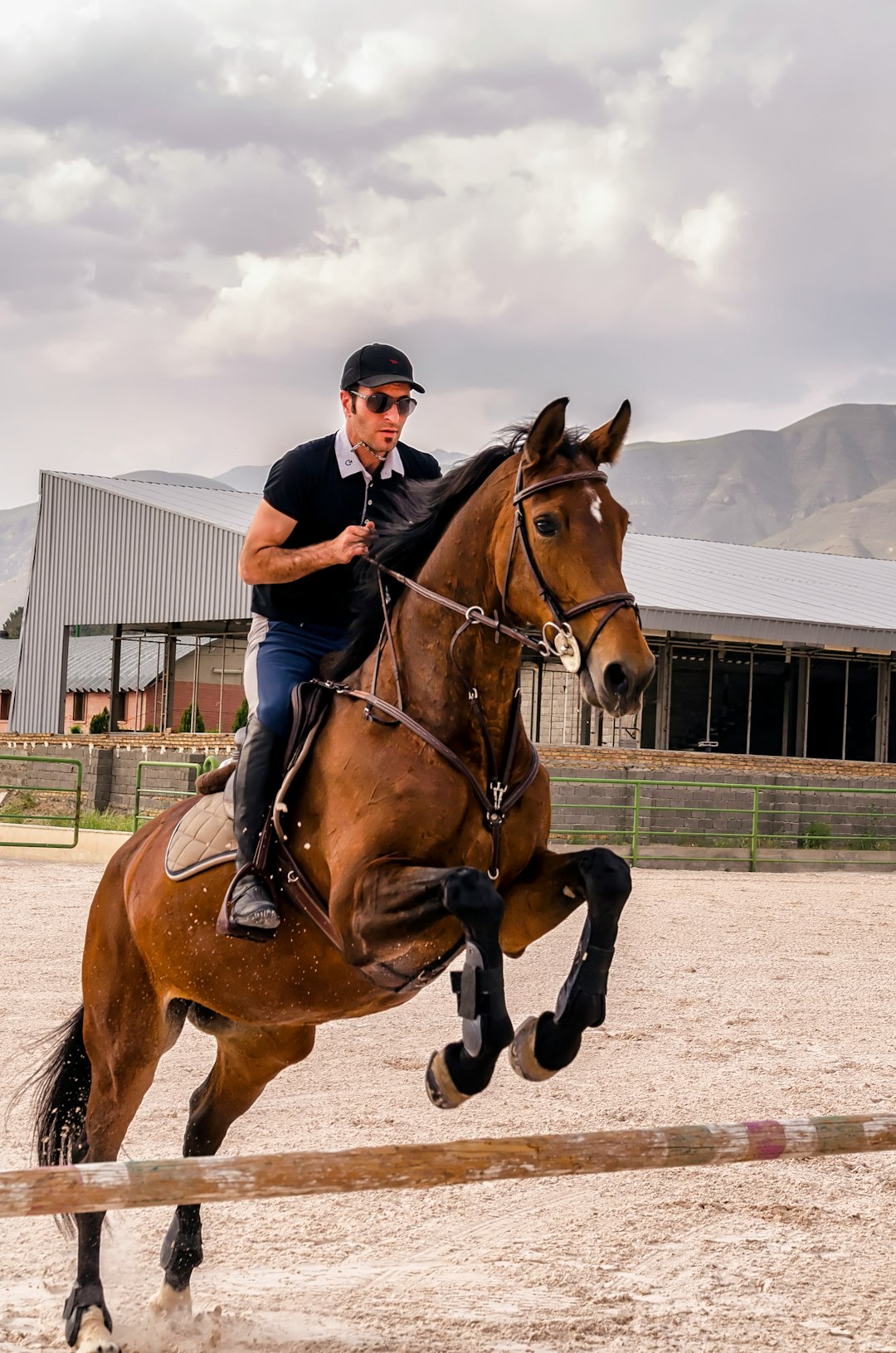
Often associated with Winston Churchill, this quote is not limited to racing, but it speaks strongly to anyone who has spent time around horses. Riding develops balance, discipline, awareness, and humility. In racing yards, the early hours, repetitive work, and quiet routines form the foundation for public success.
The saying is inspiring because it values the process, not only the result. A championship performance may last two minutes, but it rests on months or years of ordinary mornings. Time with horses teaches lessons that cannot be rushed.
7. “The outside of a horse is good for the inside of a man.”
This traditional saying has appeared in many forms over the years. Its meaning is simple and profound: horses have a way of grounding people. In the high-pressure world of racing, where money, reputation, and emotion often collide, the horse remains the honest center of the sport.
For owners, trainers, grooms, riders, and fans, the presence of the horse can restore perspective. The animal does not care about headlines or odds. It responds to care, routine, confidence, and fairness. That reality is one reason racing continues to hold such emotional power.
8. “A horse never runs so fast as when he has other horses to catch up and outpace.”
This saying highlights the competitive instinct that makes racing compelling. Thoroughbreds are herd animals, but many also respond powerfully to the challenge of running among rivals. Some horses produce their best efforts when they have a target; others prefer to lead freely. Understanding that difference is part of race strategy.
The quote is inspiring because it shows how competition can elevate performance. A worthy rival can reveal strength that training alone may not expose. On the track, pressure is not merely an obstacle; it can become the condition that produces excellence.
9. “The best horse does not always win the race.”
Every serious racing follower has seen this truth unfold. A horse may be blocked in traffic, break poorly from the gate, dislike the surface, or face an unfavorable pace. Racing is a sport of skill, but also one of variables. That uncertainty is part of its enduring fascination.
This saying is valuable because it teaches measured judgment. A lost race does not always mean a failed horse, a poor trainer, or a mistaken rider. Wise observers look beyond the finishing position and study the circumstances. In racing, as in many fields, the result matters, but the story behind it matters too.
10. “Champions are made in the morning.”
This stable saying may not belong to one famous figure, but it is one of the most accurate expressions in racing. The public sees the afternoon: the parade ring, the colors, the crowd, the wager, the finish. The real shaping of a racehorse happens much earlier, in daily feeding, conditioning, veterinary care, schooling, and patient observation.
The quote inspires respect for the unseen labor behind success. Grooms, exercise riders, farriers, veterinarians, assistant trainers, and stable staff all contribute to what appears on race day. A horse’s victory is rarely the achievement of one person; it is the outcome of a disciplined team.
Why These Sayings Still Matter
Horse racing has changed greatly over time. Training methods, safety standards, data analysis, veterinary science, and broadcasting have all evolved. Yet the core truths reflected in these quotes remain recognizable. Horses still require patience. Riders still need judgment. Trainers still depend on observation. Owners and spectators still learn that certainty is fragile.
The most meaningful racing sayings do not treat the horse as a machine. They acknowledge strength, vulnerability, temperament, and courage. That is why they continue to sound serious rather than decorative. They come from a world where small details can decide large outcomes, and where respect for the animal is not optional.
For anyone who follows racing, these quotes offer more than nostalgia. They are reminders to look closely, think carefully, and value the work behind every performance. A race may be brief, but the lessons it carries can last far longer than the distance from the starting gate to the finish line.