

Across Norway, sport is woven into everyday life, from children kicking a ball on artificial pitches in long summer evenings to families gliding along snowy trails on winter weekends. If you ask which sport is the most popular in Norway, the clearest answer is football—known elsewhere as soccer—when measured by participation, clubs, media attention, and nationwide reach. Yet the story is more interesting than a single word, because cross-country skiing holds a uniquely powerful place in Norwegian identity.
TLDR: Football is the most popular sport in Norway overall, especially in terms of registered players, clubs, spectators, and media coverage. However, cross-country skiing is often seen as Norway’s most iconic national sport because of the country’s history, climate, and extraordinary international success. In short: Norwegians play and follow football most widely, but skiing may be the sport closest to the national soul.
Football: Norway’s Most Popular Sport by Numbers
Football has the broadest appeal in Norway because it is easy to play, affordable, and organized in nearly every community. From Oslo and Bergen to small towns above the Arctic Circle, local football clubs serve as social hubs where children, teenagers, and adults train, compete, and gather. The Norwegian Football Federation is one of the country’s largest sports organizations, with hundreds of thousands of registered players across youth, amateur, and professional levels.
Part of football’s popularity comes from its accessibility. Unlike winter sports that require snow, special equipment, and suitable terrain, football only needs a ball and a patch of ground. Norway’s many artificial turf pitches have also helped extend the playing season, especially in colder regions where natural grass would be difficult to maintain. This has made football a year-round activity for many young athletes.
Professional football also draws strong attention. Norway’s top men’s league, Eliteserien, has passionate club followings, while the women’s game has a proud history and continues to grow. Clubs such as Rosenborg, Molde, Bodø Glimt, Brann, Vålerenga, and Lillestrøm have loyal supporters and regional importance. Matchdays may not always match the scale of Europe’s biggest leagues, but they are deeply meaningful to local communities.
The Haaland Effect and Global Interest
Norwegian football has received a major international boost through stars such as Erling Haaland and Martin Ødegaard. Haaland’s goal scoring at the highest level of European football has made him one of the most recognizable athletes in the world, while Ødegaard’s leadership and creativity have helped elevate Norway’s football profile abroad. Their success has inspired many young Norwegians to dream bigger.
This global visibility matters. Children wearing Manchester City, Arsenal, or Norway national team shirts are now common sights on Norwegian pitches. International football has always been popular on television, especially the English Premier League, but having Norwegian players at the center of that world has created a new level of excitement.
Still, Norway’s national teams have had mixed results historically. The men’s national team enjoyed a strong period in the 1990s but has often struggled to qualify for major tournaments since. The women’s national team, however, has a much richer tradition, including major international titles and a long-standing reputation as one of Europe’s important women’s football nations. This history adds another layer to football’s national importance.
Why Skiing Feels Like Norway’s National Sport
If football is Norway’s most popular sport by participation and general reach, cross-country skiing is the sport most closely tied to Norwegian identity. The famous saying “Norwegians are born with skis on their feet” may be an exaggeration, but it captures something real. Skiing is not only a competitive sport in Norway; it is a family activity, a school tradition, a weekend ritual, and a symbol of outdoor life.
Norway’s geography and climate make skiing natural. Long winters, snowy forests, mountains, and an outdoor culture known as friluftsliv—roughly meaning open-air life—have helped make skiing a shared experience across generations. Many Norwegians learn to ski very young, not necessarily to become athletes, but to enjoy nature and stay active in winter.
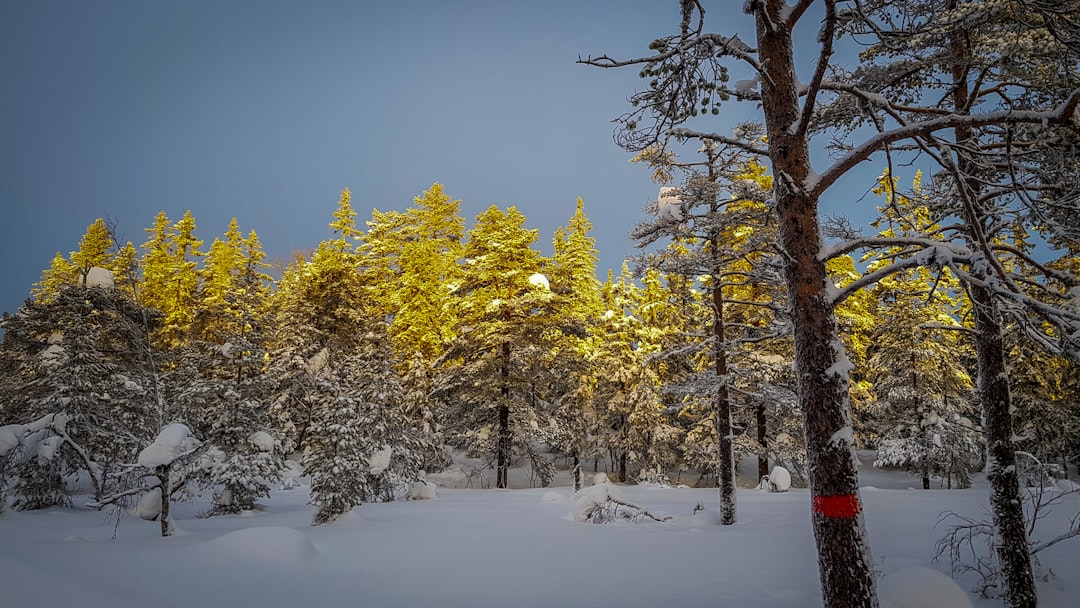
In elite competition, Norway is a giant. Norwegian athletes have dominated cross-country skiing, ski jumping, Nordic combined, and biathlon for decades. At the Winter Olympics and World Championships, Norway consistently ranks among the leading nations. This success reinforces the idea that skiing is not just something Norwegians do—it is something they do exceptionally well.
Football Versus Skiing: Popularity Depends on the Question
The answer to “What is the most popular sport in Norway?” depends partly on what you mean by popular. If popularity means the sport with the most participants, clubs, and everyday involvement, then football is the winner. It is played by children and adults across the country and followed closely through both domestic and international competitions.
If popularity means cultural symbolism, emotional heritage, and winter tradition, then cross-country skiing has a special claim. It may not involve as many organized players as football, but it occupies a powerful place in national imagination. Ski races can attract large television audiences, especially when Norwegian athletes are competing for medals.
In many ways, these two sports represent different sides of Norway:
- Football reflects community life, global connection, youth participation, and modern sports culture.
- Cross-country skiing reflects tradition, nature, endurance, winter landscapes, and national pride.
- Both are deeply loved, but they are loved in different ways.
Other Popular Sports in Norway
Although football and skiing dominate the conversation, Norway has a varied sports culture. Handball is extremely popular, especially among women, and Norway’s women’s national handball team has been one of the best in the world. Their success has made handball a major television sport and a common activity for young players.
Biathlon, which combines cross-country skiing and rifle shooting, is another Norwegian favorite. Its mix of endurance, precision, and drama makes it exciting to watch, and Norwegian athletes have achieved remarkable success internationally. Ice hockey has a smaller but dedicated following, particularly in certain towns and regions. Athletics, cycling, alpine skiing, and motorsports also have passionate communities.

Sport as Part of Norwegian Life
One reason sport is so important in Norway is that it connects closely with health, education, and social life. Youth sports are often community-based rather than purely commercial, and local clubs depend heavily on volunteers. Parents coach, organize events, prepare food, drive teams to away matches, and help maintain facilities. This gives sport a strong social function beyond competition.
Norway also emphasizes outdoor activity. Even people who do not follow professional sports may hike, ski, cycle, run, or play casual football. The country’s landscapes encourage movement, and the cultural value placed on being outdoors helps maintain high levels of recreational activity.
So, What Is the Final Answer?
The most popular sport in Norway is football. It has the widest participation, the largest grassroots network, major media attention, and strong appeal across age groups and regions. Whether played competitively or casually, football is the sport most Norwegians are likely to encounter in everyday community life.
However, no answer is complete without recognizing the extraordinary role of skiing. Cross-country skiing, in particular, is a national treasure: a sport, a tradition, and a symbol of Norway’s relationship with winter and nature. Football may be Norway’s most popular sport, but skiing remains one of the deepest expressions of what many people imagine when they think of Norwegian sport.
In the end, Norway is not a one-sport country. It is a nation where a summer evening football match and a winter ski trail can both feel equally at home. That combination—global, local, modern, and traditional—is what makes Norwegian sports culture so fascinating.