

Choosing a football jersey manufacturer in 2026 is no longer a simple decision based on price and a catalogue of shirt templates. Teams, academies, clubs, retailers, and emerging sportswear brands now need suppliers that can deliver performance fabrics, reliable sizing, durable printing, ethical production, flexible quantities, and dependable delivery schedules. The best manufacturer for a professional club may not be the best choice for a grassroots team or a private-label brand, so the right decision starts with understanding your priorities.
TLDR: The best football jersey manufacturers in 2026 include major global brands such as Nike, Adidas, Puma, Macron, Castore, Joma, Hummel, Kappa, and Uhlsport, alongside specialist custom and private-label manufacturers. Professional clubs usually benefit from established technical partners with proven logistics, while smaller teams and brands often need flexible minimum order quantities and strong customization support. The best choice depends on budget, production volume, design control, delivery expectations, and whether you need retail-quality merchandise or teamwear only.
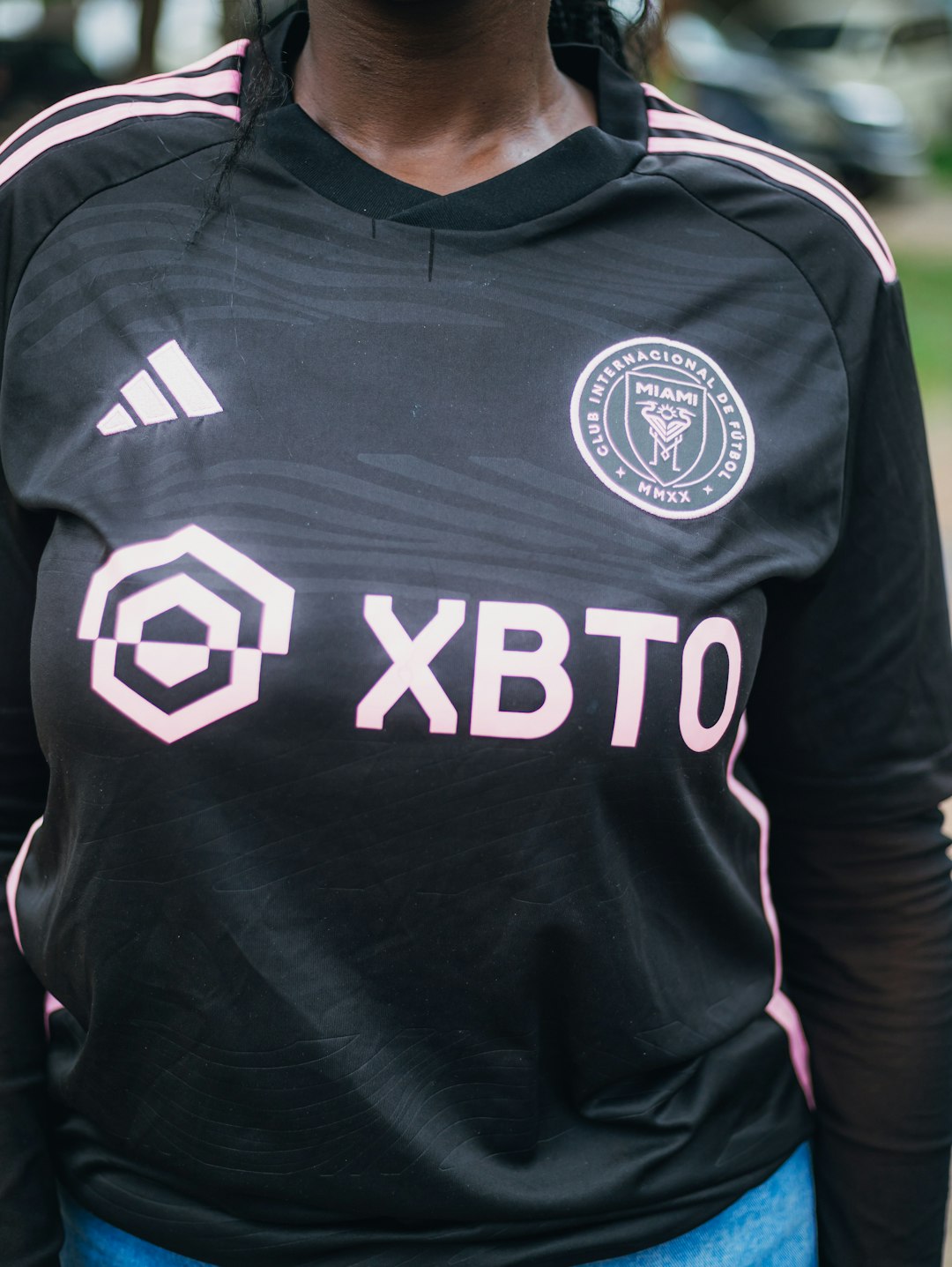
What Makes a Football Jersey Manufacturer Worth Considering in 2026?
A serious football jersey manufacturer should offer more than attractive designs. In 2026, buyers are paying closer attention to fabric construction, fit consistency, sustainability claims, quality control, and after-sales support. A team shirt is worn under pressure: it must handle sweat, repeated washing, pulling, sliding, and the demands of full-match performance.
For brands, the stakes are even higher. A poor-quality jersey can lead to returns, damaged reputation, and weak customer loyalty. Before selecting a supplier, evaluate the following criteria:
- Fabric quality: Look for breathable polyester blends, moisture-wicking technology, stretch panels, and lightweight construction.
- Decoration method: Sublimation, heat transfer, embroidery, screen printing, and woven badges all affect cost and durability.
- Minimum order quantities: Grassroots teams may need 15 to 50 units, while brands may require hundreds or thousands.
- Lead times: Custom jerseys can take several weeks, especially during peak pre-season periods.
- Size consistency: Reliable grading across youth, women’s, and men’s sizes is essential.
- Compliance: Serious manufacturers should be transparent about labor standards, material sourcing, and safety requirements.
- Reorder stability: Teams often need extra shirts later; brands need repeatable production without major color or fit changes.
1. Nike
Nike remains one of the most influential football jersey manufacturers in the world. Its elite-level kits are known for advanced fabric engineering, high-profile club partnerships, and strong global distribution. For professional teams and top-level organizations, Nike offers credibility, premium presentation, and extensive experience in performance apparel.
The main advantage of Nike is brand power. A jersey carrying the Nike mark is immediately associated with professional football. However, access is usually limited for smaller clubs, and costs can be significantly higher than regional or specialist teamwear suppliers. Nike is best suited for elite teams, major academies, licensed merchandise programs, and organizations seeking premium brand association.
2. Adidas
Adidas is another leading name in football kit manufacturing, with decades of experience supplying national teams, professional clubs, and retail football apparel. Its jerseys are typically recognized for clean design, reliable fit, and strong technical fabric development.
Adidas is a strong option for clubs that want a balance of tradition, performance, and commercial appeal. Its teamwear catalogues can also serve semi-professional and amateur clubs through authorized distributors. The key limitation is customization flexibility: while Adidas offers many styles, fully bespoke production may not be practical for smaller buyers. It is best for clubs that value global recognition, structured ordering, and dependable quality.
3. Puma
Puma has strengthened its position in global football by supplying major clubs, national teams, and performance-focused training apparel. The brand is known for modern silhouettes, bold design language, and lightweight match jerseys.
Puma is particularly appealing to teams and brands that want a contemporary look without losing credibility. Its established supply network makes it a reliable option, although pricing and access vary by region and distributor. Puma works best for competitive clubs, academies, and teamwear programs that want strong visual identity with professional-level quality.
4. Macron
Macron has become one of the most respected football jersey manufacturers for clubs outside the very top commercial tier. Based in Europe, Macron is known for supplying professional, semi-professional, and grassroots teams with a broad range of customizable teamwear.
One of Macron’s strongest advantages is its focus on clubs of different sizes. It often provides more accessible customization options than the largest global brands while maintaining a serious, professional image. Macron is a particularly good choice for semi-professional clubs, ambitious amateur teams, schools, academies, and organizations looking for quality without luxury-level pricing.
5. Castore
Castore has grown rapidly in professional sport and has positioned itself as a premium performance brand. Its football jerseys often emphasize technical materials, athletic fit, and modern branding. The company has secured partnerships with notable clubs, increasing its visibility in the teamwear market.
Castore may appeal to clubs and brands seeking a fresh, premium image rather than a traditional sportswear supplier. However, buyers should evaluate lead times, local distributor support, and reorder processes carefully. Castore is best for professional and semi-professional teams that want a modern premium identity.
6. Joma
Joma is a reliable and cost-effective football jersey manufacturer with a strong presence in Europe and beyond. It is widely used by clubs at various levels, from amateur teams to professional organizations. Joma’s key strengths are affordability, broad product availability, and practical teamwear options.
For many clubs, Joma offers a sensible middle ground: better credibility than unknown suppliers, but often more budget-friendly than the biggest global brands. It is well suited for grassroots clubs, schools, futsal teams, academies, and organizations needing dependable kits at manageable prices.
7. Hummel
Hummel is recognized for its distinctive chevron branding and long history in football and handball apparel. The brand often appeals to clubs looking for a slightly different identity from mainstream kit suppliers. Hummel jerseys usually combine traditional sporting character with modern performance fabrics.
Hummel is especially attractive for teams that want heritage, visual distinction, and solid build quality. It can be a strong option for clubs, academies, and lifestyle-focused sports brands that want recognizable design without relying on the most common manufacturers.
8. Kappa
Kappa has a strong football heritage and is known for stylish, slim-fit sportswear. Its jerseys often have a more fashion-oriented feel, making the brand attractive for clubs with strong visual culture or merchandise ambitions.
Kappa can be a good choice when a team wants its kit to sell beyond matchday use. The fit may be more athletic than some alternatives, so sizing should be tested before large orders. It is best for clubs and brands that care about style, supporter merchandise, and a distinctive European football aesthetic.
9. Uhlsport
Uhlsport is respected in football equipment, particularly goalkeeper products, but it also offers teamwear and match kits. It is a practical choice for clubs seeking functional, durable jerseys and complete team equipment from one supplier.
Uhlsport may not have the same fashion profile as some competitors, but it is often valued for reliability and performance orientation. It is well suited for clubs that need match kits, goalkeeper apparel, training wear, and accessories from a dependable football-focused supplier.
10. Specialist Custom and Private-Label Manufacturers
For many new sportswear brands and smaller teams, the best football jersey manufacturer in 2026 may not be a famous global label. Instead, it may be a specialist custom or private-label manufacturer capable of producing original designs, custom neck labels, unique packaging, and flexible order volumes.
These manufacturers are often located in major apparel production regions such as Pakistan, China, Vietnam, Turkey, Portugal, and Bangladesh. Some focus on sublimated team kits, while others provide cut-and-sew premium jerseys for retail brands. The main advantage is design freedom. You can create a jersey with your own pattern, sponsor layout, trims, badge style, and brand label.
However, private-label production requires careful management. Always request samples, confirm material specifications, check stitching quality, test print durability, and agree on packaging standards before placing a bulk order. A low unit price is not useful if the final product has inconsistent sizing or poor color matching.
Best Manufacturers by Buyer Type
The “best” supplier depends on who is buying. A professional club, a Sunday league team, and a startup sportswear label have different needs.
- Professional clubs: Nike, Adidas, Puma, Castore, Macron.
- Semi-professional teams: Macron, Joma, Hummel, Kappa, Puma teamwear.
- Grassroots and youth teams: Joma, Macron, Uhlsport, Hummel, local custom suppliers.
- Goalkeeper-heavy programs: Uhlsport, Adidas, Puma, specialist goalkeeper brands.
- Fashion-led football brands: Kappa, Hummel, Castore, private-label manufacturers.
- Startup sportswear labels: Private-label OEM manufacturers with strong sampling and low-to-medium minimum order quantities.
Sublimation vs Cut-and-Sew: Which Is Better?
One important decision is whether to use sublimation or cut-and-sew construction. Sublimation prints the design directly into the fabric, making it excellent for complex graphics, sponsor logos, names, numbers, and low-cost customization. It is popular for amateur teams, esports-style football kits, academies, and small brands.
Cut-and-sew jerseys are constructed from different fabric panels and may use embroidery, heat-pressed graphics, or woven details. This method can feel more premium and is often used for professional retail jerseys. It may cost more and require higher production volumes, but it can produce a more refined product.
For performance teams, sublimation is often practical and durable. For premium merchandise brands, cut-and-sew may provide a stronger retail finish. Many serious suppliers offer both options.
Questions to Ask Before Choosing a Manufacturer
Before committing to a supplier, ask direct questions and expect clear answers. A trustworthy manufacturer should not avoid details about production, delivery, or quality control.
- What are your minimum order quantities for custom jerseys?
- Can you provide physical samples before bulk production?
- What fabric options are available, and what are their weights?
- How do you handle color matching for repeat orders?
- What decoration methods do you recommend for badges, sponsors, names, and numbers?
- What is the expected production time during peak season?
- Do you offer youth, women’s, and goalkeeper sizing?
- What happens if there are defects or sizing inconsistencies?
Final Recommendation
In 2026, the best football jersey manufacturer is the one that matches your level, budget, and long-term goals. Nike, Adidas, and Puma remain the strongest choices for elite credibility and global visibility. Macron, Joma, Hummel, Kappa, Castore, and Uhlsport offer serious alternatives for clubs that need professional quality, accessible teamwear, or a more distinctive identity.
For independent brands, private-label manufacturers can be the smartest route, but only if you manage sampling, quality control, and production agreements carefully. Do not select a supplier based only on the lowest quote. A reliable football jersey manufacturer should help you achieve consistent fit, strong fabric performance, accurate branding, and on-time delivery. In a competitive football market, the right kit is not just clothing; it is part of a team’s identity and a brand’s reputation.