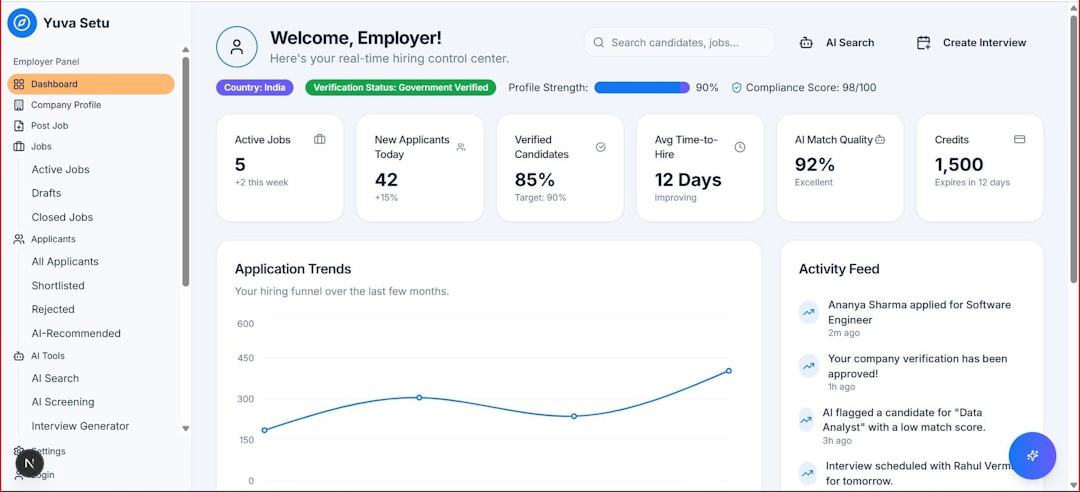

Businesses of all sizes are under increasing pressure to deliver fast, professional, and always-available communication. Customers expect their calls to be answered promptly and their chat messages to receive immediate responses, regardless of the time of day. As a result, many organizations are turning to virtual receptionist software for handling calls and chats to maintain high service standards without dramatically increasing staffing costs.
TLDR: Virtual receptionist software helps businesses manage inbound calls and chats efficiently through automation, intelligent routing, and AI-powered responses. It improves customer service, reduces operational costs, and ensures 24/7 availability. Suitable for companies of all sizes, it integrates with CRM systems and scheduling tools for seamless communication. With the right setup, it enhances customer satisfaction while freeing human staff for higher-value tasks.
Virtual receptionist platforms combine automation, voice technology, and artificial intelligence to simulate the role of a front-desk receptionist. These systems can greet customers, answer common questions, route calls to the right department, and handle live chat interactions across websites and social media channels. Rather than replacing human employees entirely, the goal is to improve efficiency and consistency while allowing staff to focus on more complex responsibilities.
What Is Virtual Receptionist Software?
Virtual receptionist software is a digital solution designed to manage inbound communication, including phone calls, live chat, SMS messages, and even social messaging apps. It may use pre-programmed scripts, interactive voice response (IVR), artificial intelligence (AI), or a combination of all three.
Unlike traditional call answering services that rely solely on human agents working remotely, modern virtual reception tools are often cloud-based and automated. They can:
- Answer calls instantly with customized greetings
- Route calls to specific departments or individuals
- Provide recorded information such as office hours or directions
- Schedule appointments directly into calendars
- Capture and qualify leads through chat workflows
- Integrate with CRM systems for seamless data storage
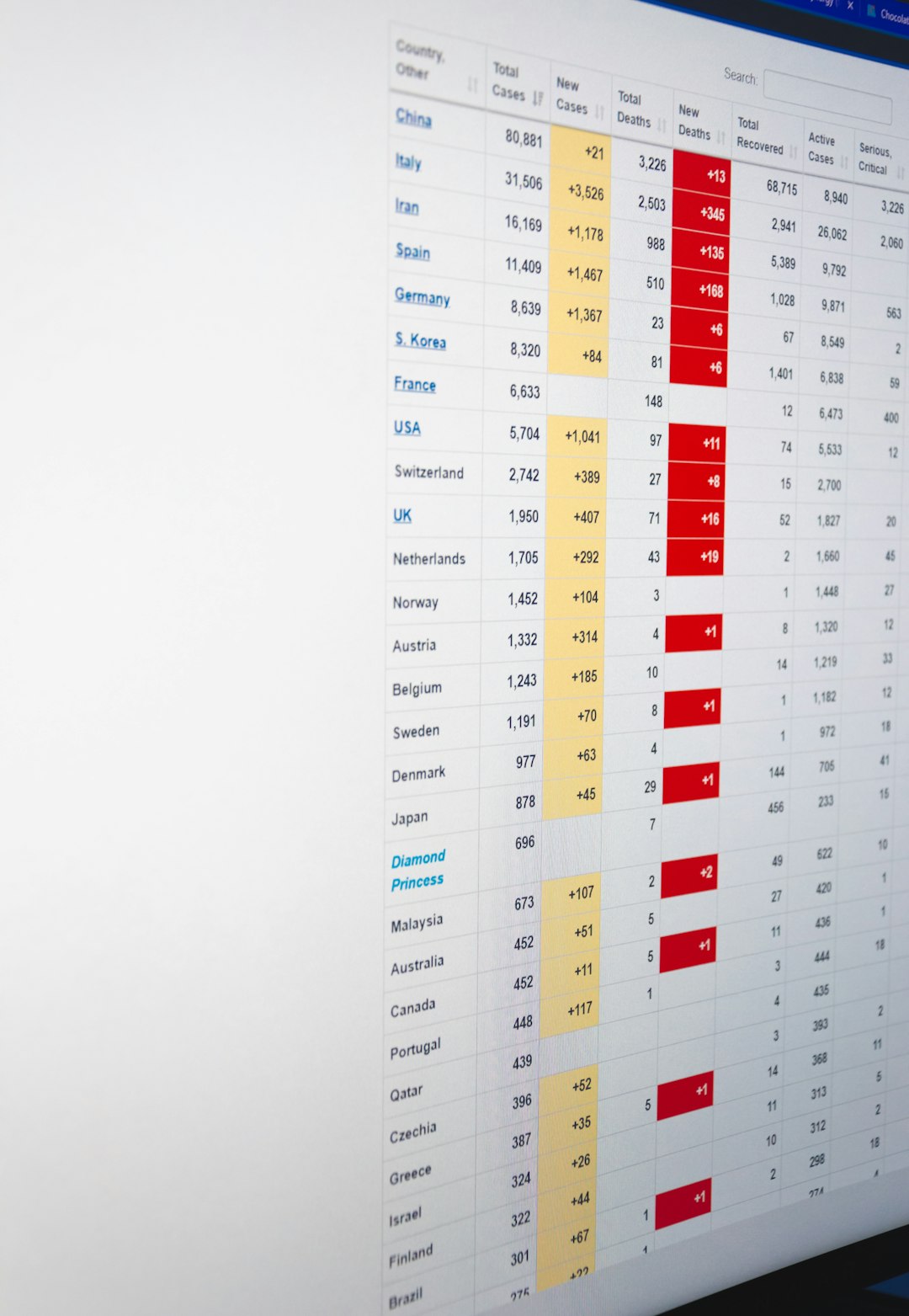
The software can operate independently or alongside live agents. In hybrid setups, routine inquiries are handled automatically, while more complex matters are forwarded to human representatives.
Key Features for Call Handling
High-quality call handling remains one of the most important aspects of customer service. Virtual receptionist software typically includes the following core features:
1. Interactive Voice Response (IVR)
IVR systems guide callers through menu options such as “Press 1 for Sales” or “Press 2 for Support.” This ensures calls are directed quickly and accurately without manual intervention.
2. Intelligent Call Routing
Advanced systems use logic-based or AI-driven routing to send calls to the right person based on availability, skill set, or caller history.
3. Call Recording and Logging
Recording calls allows businesses to maintain quality assurance and comply with regulatory standards. Logs can automatically attach call details to customer profiles within CRM systems.
4. Voicemail Transcription
Instead of listening to lengthy voicemails, staff can read transcribed messages delivered via email or SMS, accelerating response times.
5. 24/7 Availability
Perhaps the most significant benefit is around-the-clock responsiveness. Whether during holidays or outside office hours, callers are never met with silence or an outdated answering machine.
Chat Management Capabilities
Beyond calls, customer communication increasingly happens through website chat, messaging platforms, and SMS. Virtual receptionist software extends its capabilities to text-based channels.

AI-Powered Chatbots
AI chatbots can handle common questions instantly, such as pricing inquiries, service descriptions, and appointment availability. Over time, they learn from interactions to deliver increasingly accurate responses.
Real-Time Escalation
When a chatbot detects complexity or frustration, it can escalate the conversation to a live agent. This ensures automation enhances, rather than damages, customer satisfaction.
Lead Qualification
Through pre-set workflows, chat systems can collect names, emails, phone numbers, and project details. This transforms website traffic into actionable sales leads.
Multichannel Inbox
Some platforms centralize communication from web chat, Facebook Messenger, WhatsApp, and SMS into one dashboard, reducing fragmentation.
Benefits for Businesses
Organizations across industries—from healthcare clinics and law firms to e-commerce stores and service providers—gain substantial advantages by implementing virtual receptionist software.
1. Cost Efficiency
Hiring full-time, in-house reception staff for 24-hour coverage is expensive. Virtual systems dramatically reduce payroll costs while maintaining professional communication standards.
2. Consistency and Professionalism
Automated greetings and scripts ensure every caller hears a polished, on-brand message. There are no variations in tone due to fatigue or staffing shortages.
3. Scalability
As call and chat volume increases, virtual systems scale automatically. Businesses avoid the growing pains associated with hiring and training large support teams.
4. Improved Customer Experience
Fast responses build trust. Even if a caller cannot immediately speak to a live representative, clear menus and instant answers reduce frustration.
5. Data-Driven Insights
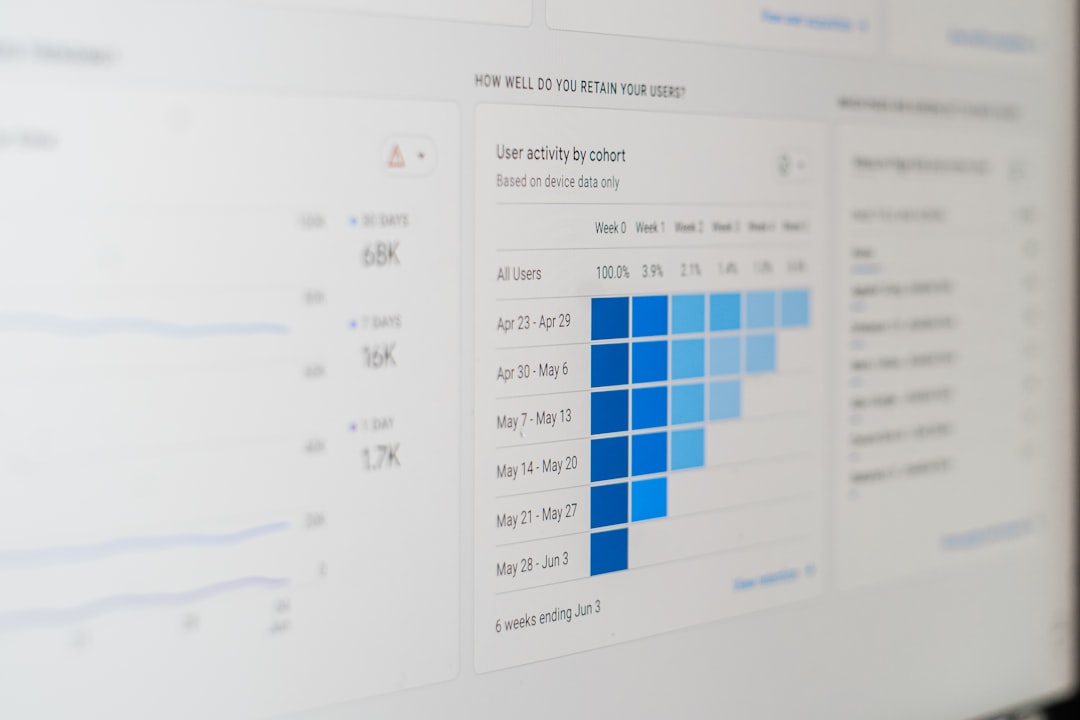
Most platforms provide detailed analytics on call duration, peak hours, frequently asked questions, and response times. These metrics support smarter decision-making.
Industries That Benefit Most
While nearly any organization can use virtual receptionist software, certain sectors see especially strong returns on investment:
- Healthcare: Appointment scheduling, patient intake, after-hours support.
- Legal Firms: Lead capture, case screening, confidential call routing.
- Home Services: Emergency request handling, dispatch coordination.
- Real Estate: Inquiry management, showing scheduling, tenant communication.
- E-commerce: Order tracking, return inquiries, product recommendations.
For these industries, missing a single call can mean losing significant revenue. Automated communication minimizes that risk.
Implementation Considerations
Deploying virtual receptionist software successfully requires thoughtful planning. Businesses should evaluate:
- Integration compatibility with CRM, scheduling, and helpdesk systems
- Customization options for greetings and scripts
- Data security and compliance standards
- Scalability limits and pricing models
- User-friendliness for both administrators and customers
Testing workflows before full rollout is essential. Many providers offer sandbox environments where scripts, routing logic, and chatbot flows can be refined.
Balancing Automation and Human Touch
While automation offers efficiency, over-automation can frustrate customers. Successful companies strike a balance. They use virtual reception tools to manage repetitive and administrative tasks while reserving human staff for:
- Complex troubleshooting
- Sensitive conversations
- High-value sales discussions
- Conflict resolution
Clear pathways to speak with a live representative are critical. When customers feel “trapped” in automated menus, satisfaction declines.
Future Trends in Virtual Reception Technology
The technology continues to evolve rapidly. Emerging trends include:
- Conversational AI with natural language processing that understands free-form speech instead of requiring numeric menu inputs.
- Emotion detection to adjust tone and escalate distressed callers.
- Voice biometrics for secure authentication.
- Predictive support based on customer history and behavior.
As these capabilities mature, virtual reception software will feel increasingly human while remaining scalable and cost-efficient.
Conclusion
Virtual receptionist software for handling calls and chats has evolved far beyond simple answering machines. It now serves as a comprehensive communication hub, capable of managing high volumes of interactions across multiple channels. By combining automation, AI, and human oversight, businesses can deliver consistent, round-the-clock service without overstretching internal resources.
For organizations seeking to improve responsiveness, capture more leads, and strengthen customer relationships, implementing a well-designed virtual receptionist system is not merely a convenience—it is becoming a strategic necessity.
Frequently Asked Questions (FAQ)
1. Is virtual receptionist software suitable for small businesses?
Yes. Small businesses often benefit the most because they can provide professional, 24/7 communication without hiring additional full-time staff.
2. Can the software handle both calls and live chat simultaneously?
Most modern solutions are omnichannel, meaning they manage voice calls, website chat, SMS, and messaging apps from a unified platform.
3. Will customers know they are speaking with an automated system?
In many cases, yes—but advanced AI systems sound increasingly natural. Transparency, combined with easy access to human agents, maintains trust.
4. How secure is virtual receptionist software?
Security depends on the provider. Reputable platforms offer data encryption, secure cloud hosting, and compliance with industry regulations where required.
5. Can it integrate with existing business tools?
Most solutions integrate with CRM platforms, scheduling tools, helpdesk systems, and email marketing software to streamline workflows.
6. Does it completely replace human receptionists?
Not necessarily. Many businesses use it to support and enhance human teams rather than replace them entirely.
7. How long does implementation typically take?
Basic setups can take only a few days, while advanced customized systems with integrations may require several weeks of planning and testing.