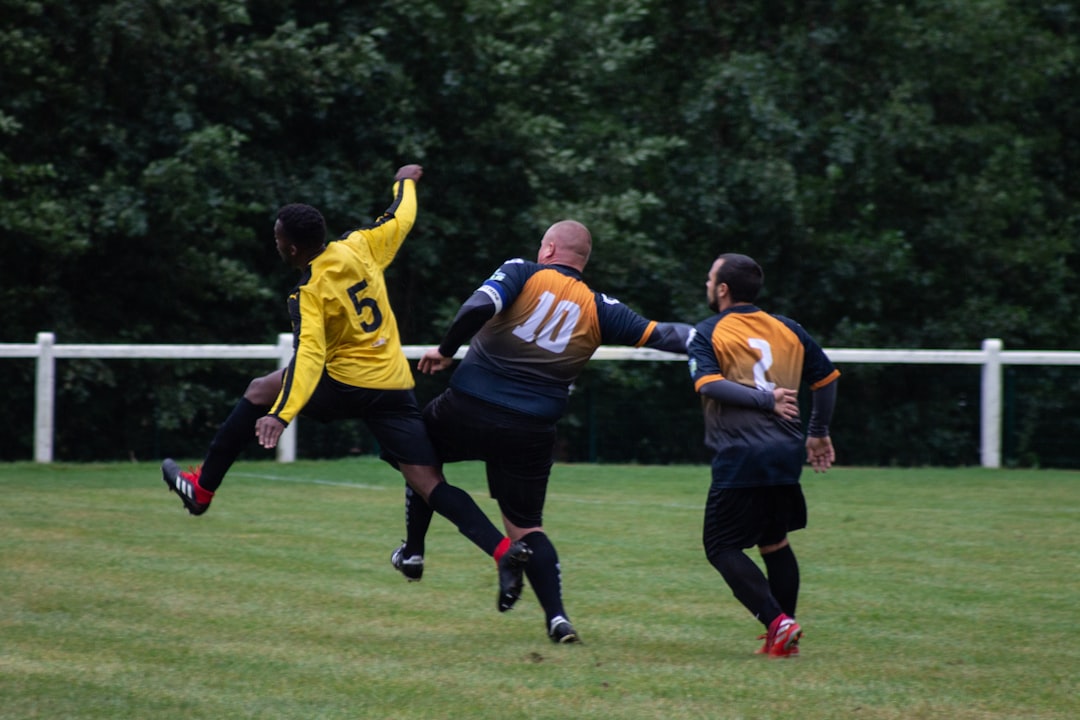

Soccer is played in parks, schools, and giant stadiums around the world. It looks smooth and graceful. Players pass, dribble, and shoot in one flowing motion. But watch closely. You will also see bumps, shoulder checks, and sliding tackles. So what is it really? Is soccer a contact or a non-contact sport?
TLDR: Soccer is officially classified as a contact sport. Players are allowed to make certain types of physical contact, such as shoulder-to-shoulder challenges. However, dangerous or careless contact is not allowed. So while soccer is not as rough as football or rugby, it is definitely not non-contact.
What Is a Contact Sport?
First, let’s define the terms.
A contact sport is a sport where players are allowed to touch or collide with each other as part of normal play. The contact is expected. It is built into the game.
Examples include:
- American football
- Rugby
- Ice hockey
- Wrestling
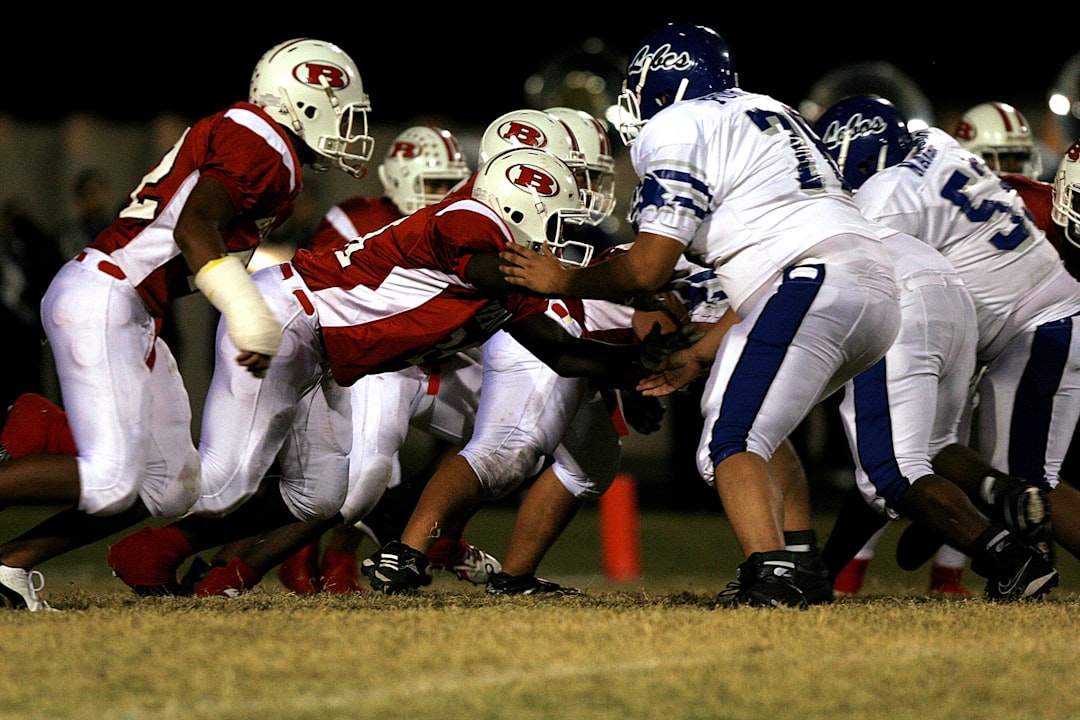
In these sports, full-body contact is common. Big hits are part of the strategy.
Now compare that to a non-contact sport.
A non-contact sport is one where players are not supposed to touch at all.
Examples include:
- Tennis
- Swimming
- Track and field
- Golf
If contact happens in these sports, it is usually accidental.
So Where Does Soccer Fit?
Soccer sits somewhere in the middle. But officially, it is a contact sport.
Why?
Because legal physical contact is allowed.
Players can:
- Use their shoulders to challenge an opponent
- Shield the ball with their body
- Jostle for position during corner kicks
- Slide tackle an opponent (if done properly)
All of this involves physical contact. And it happens in every match.
What Type of Contact Is Legal?
Not all contact is equal. Soccer has clear rules about what is allowed.
Here is what referees usually allow:
1. Shoulder-to-Shoulder Contact
This is the most common legal contact in soccer.
Two players run side by side. They lean in with their shoulders. They fight for position. As long as the challenge is fair and the force is not reckless, play continues.
2. Shielding the Ball
A player may use their body to block an opponent from reaching the ball. Arms must stay natural. No pushing. Just using body position.
3. Fair Tackles
A slide tackle is legal if the defender touches the ball first and does not endanger the opponent.
Timing matters. Precision matters.
What Type of Contact Is Illegal?
Soccer does not allow violent or careless contact.
Here are some actions that result in fouls:
- Pushing with hands or arms
- Tripping an opponent
- Kicking another player
- Holding a jersey
- Elbowing
- Charging recklessly
If contact is careless, reckless, or excessive, the referee can give:
- A free kick
- A penalty kick
- A yellow card
- A red card
So yes, soccer allows contact. But it controls it carefully.
Why People Think Soccer Is Non-Contact
Many people call soccer a non-contact sport. Why?
Because compared to rugby or American football, it looks less violent.
Players do not wear heavy padding. There are no legal hard tackles to knock someone down. There are no body checks like in hockey.
Also, referees stop the game when fouls happen. This makes the game feel safer and more controlled.
But make no mistake.
Contact happens constantly.
During a 90-minute match, players collide dozens of times.
The Physical Nature of Soccer
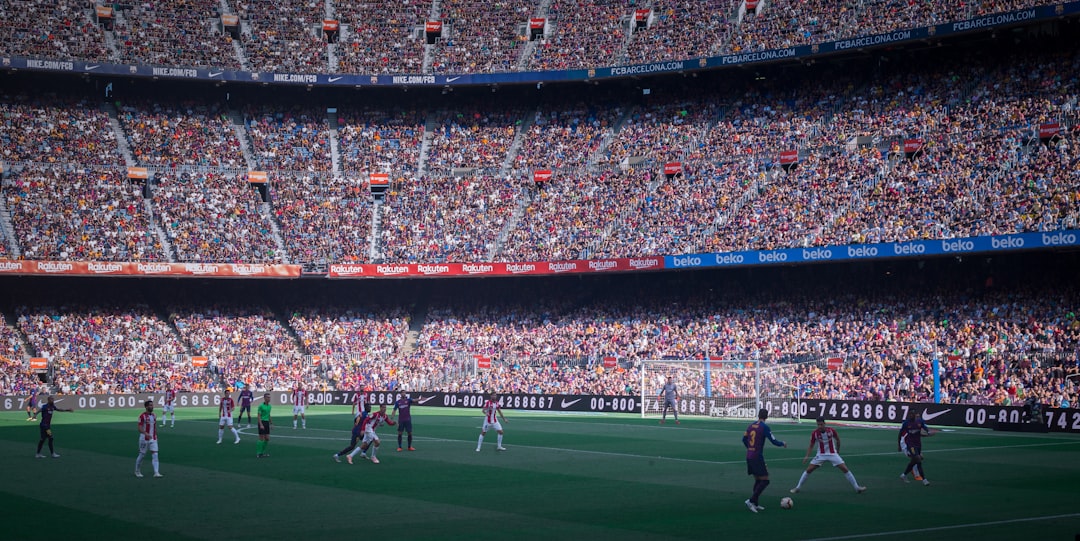
Soccer is a fast and physical game.
Players sprint at high speeds. They change direction quickly. They leap into the air for headers.
When bodies move that fast, contact is unavoidable.
Common physical moments include:
- Heading duels
- Midfield battles
- Defensive clearances
- Attacking runs into the penalty box
During a corner kick, it almost looks like wrestling. Players push for space. They hold position. They fight for every inch.
It may not look brutal. But it is intense.
Injury Risk in Soccer
If soccer were truly non-contact, injuries from collisions would be rare.
But they are not.
Common contact-related injuries include:
- Ankle sprains
- Knee ligament tears
- Concussions
- Contusions (deep bruises)
Many of these happen during contact with another player.
For example:
- A defender mistimes a tackle and clips an ankle.
- Two players jump for a header and knock heads.
- A goalkeeper collides with an attacker.
These are real risks. That is why referees and rule makers try to protect players.
Youth Soccer: Contact or Not?
At the youth level, things can look different.
For very young children, referees often limit aggressive challenges. Coaches teach players to avoid dangerous contact.
But even in youth leagues, shoulder challenges and light contact still occur.
As players get older, the game becomes more physical. Teen and adult leagues clearly involve regular contact.
Comparing Soccer to Other Sports
Let’s make it simple.
Here is how soccer compares to other sports when it comes to contact:
| Sport | Is Contact Allowed? | Level of Physicality |
|---|---|---|
| American Football | Yes, full contact | Very High |
| Rugby | Yes, full contact | Very High |
| Ice Hockey | Yes, body checking allowed | High |
| Soccer | Yes, limited contact | Moderate |
| Basketball | Some contact allowed | Moderate to Low |
| Tennis | No | None |
This chart shows something important.
Soccer is not collision-heavy.
But it is also clearly not non-contact.
The Role of the Referee
Referees play a big role in managing contact.
They decide:
- When a challenge is fair
- When it is careless
- When it is dangerous
The same tackle might be allowed in one situation and called a foul in another.
It depends on speed, force, and intent.
This judgment keeps the balance. The game stays physical but not violent.
What the Official Rules Say
According to the Laws of the Game, certain types of physical challenges are allowed if they are not careless, reckless, or using excessive force.
This wording is key.
The rules do not say “no contact.”
They explain how contact should happen.
That officially places soccer in the contact sport category.
The Mental Side of Contact
There is also a psychological element.
Players expect contact. They prepare for it.
Defenders try to intimidate attackers with strong but clean challenges. Attackers brace themselves when entering crowded areas.
Physical courage is part of the game.
Why the Debate Continues
People still debate this question for a few reasons:
- Soccer does not allow heavy tackles like football.
- Players sometimes exaggerate contact to draw fouls.
- The game focuses more on skill than hitting.
Because of this, soccer feels “lighter.”
But feeling lighter does not mean non-contact.
Final Answer: Contact or Non-Contact?
So let’s wrap it up.
Soccer is a contact sport.
It allows controlled, fair physical interaction between players.
It does not allow violent collisions or dangerous hits.
Think of it like this:
Soccer is a skill game with physical battles mixed in.
The beauty of soccer is that it blends:
- Speed
- Strategy
- Technique
- Endurance
- And yes, contact
Next time you watch a match, pay attention. Watch the shoulder challenges. Notice the jostling during corner kicks. See the brave slide tackles.
You will quickly realize something.
Soccer may not be the roughest sport in the world.
But it is definitely not non-contact.
It lives right in that exciting middle ground. Physical. Fast. Controlled. And incredibly fun to watch.