

College football is more than just a sport in the United States; it is a tradition woven deeply into the culture of universities, towns, and entire states. Every autumn weekend, massive stadiums fill with roaring fans wearing school colors, creating electrifying atmospheres that rival — and often surpass — professional sports venues. Among these iconic arenas, one question frequently arises: Who has the largest college football stadium? The answer reveals not only record-breaking numbers but also fascinating history and intense school pride.
TLDR: The largest college football stadium in the United States — and the world — is Michigan Stadium, home of the University of Michigan Wolverines. Known as “The Big House,” it holds an official capacity of 107,601 spectators and has hosted crowds exceeding 115,000. Beaver Stadium (Penn State) and Ohio Stadium (Ohio State) follow closely behind. These megastadiums symbolize the immense popularity and tradition of college football.
The Largest College Football Stadium: Michigan Stadium
The title of largest college football stadium belongs to Michigan Stadium, located in Ann Arbor, Michigan. Opened in 1927, this colossal venue is home to the University of Michigan Wolverines and is widely known by its famous nickname: “The Big House.”
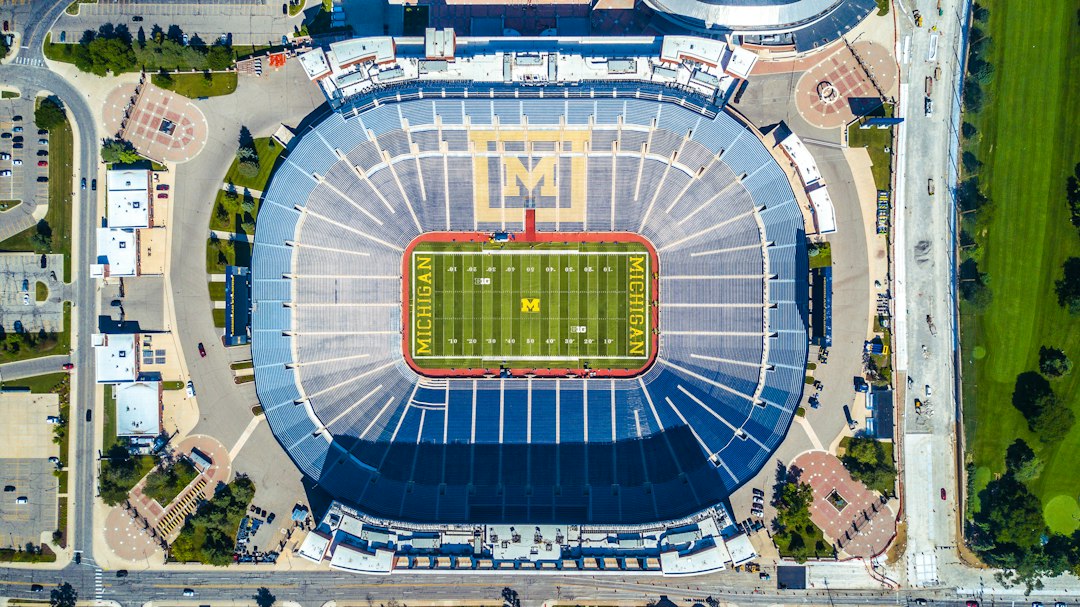
Key Facts About Michigan Stadium
- Location: Ann Arbor, Michigan
- Team: Michigan Wolverines
- Opened: 1927
- Official Capacity: 107,601
- Record Attendance: Over 115,000
What makes Michigan Stadium especially impressive is not just its listed capacity but its consistent attendance. The stadium regularly hosts crowds exceeding 110,000 during major rivalry games. For decades, it has led the nation in average attendance per season.
Originally built with a capacity of approximately 72,000, the stadium was cleverly designed with foundations that allowed for future expansion. Over the years, multiple renovations have expanded seating, modernized facilities, and added luxury boxes — all while maintaining its iconic bowl shape.
Other Massive College Football Stadiums
While Michigan Stadium holds the top spot, several other college stadiums are nearly as large. These venues showcase how deeply ingrained college football is across different regions of the country.
Beaver Stadium (Penn State)
Beaver Stadium, home of the Penn State Nittany Lions, ranks second in capacity.
- Location: University Park, Pennsylvania
- Capacity: 106,572
- Opened: 1960 (expanded multiple times)
Beaver Stadium is renowned for its electrifying “White Out” games, where fans coordinate white attire to create an intense visual spectacle. The venue is considered one of the loudest stadiums in college football.

Ohio Stadium (Ohio State)
Coming in a close third is Ohio Stadium, nicknamed “The Horseshoe” because of its distinctive shape.
- Location: Columbus, Ohio
- Capacity: 102,780
- Opened: 1922
Ohio Stadium is one of the most historic venues in college football and annually hosts one of the sport’s biggest rivalries: Michigan vs. Ohio State.
Kyle Field (Texas A&M)
- Location: College Station, Texas
- Capacity: 102,733
Kyle Field achieved its current size after major renovations completed in 2015. It is one of the largest stadiums in the Southeastern Conference (SEC), widely regarded as the most competitive conference in college football.
Stadium Capacity Comparison Chart
| Rank | Stadium | University | Location | Capacity |
|---|---|---|---|---|
| 1 | Michigan Stadium | University of Michigan | Ann Arbor, MI | 107,601 |
| 2 | Beaver Stadium | Penn State | University Park, PA | 106,572 |
| 3 | Ohio Stadium | Ohio State | Columbus, OH | 102,780 |
| 4 | Kyle Field | Texas A&M | College Station, TX | 102,733 |
How Does Michigan Stadium Compare Globally?
Michigan Stadium is not only the largest college football stadium — it is also one of the largest stadiums in the world. It ranks among the top five largest sports stadiums globally, ahead of every NFL stadium.
For comparison:
- Largest NFL stadium: MetLife Stadium (82,500 capacity)
- Largest soccer stadium (Camp Nou, historically): Just under 100,000 (before renovations)
The only stadiums that surpass Michigan Stadium in capacity are predominantly cricket venues in India and North Korea’s Rungrado 1st of May Stadium.
Why Are College Stadiums So Large?
Many people wonder why college stadiums exceed professional stadium capacities. The explanation lies in tradition, scale, and demand.
- Large Alumni Bases: Major universities have hundreds of thousands of alumni.
- Statewide Loyalty: In many states without NFL teams, college programs dominate.
- Historic Construction: Many stadiums were built decades ago when mega-capacity bowl designs were common.
- Seasonal Demand: With only a handful of home games each year, demand intensifies.
College football Saturdays often become full-day events, blending tailgating, marching bands, and deeply rooted rivalries.

Game Day Experience at The Big House
Attending a game at Michigan Stadium is often described as unforgettable. Fans pack tightly into bench seating, generating thunderous noise that reverberates across the bowl-shaped structure. Despite its massive size, the stadium maintains surprisingly good sightlines from nearly every seat.
The Wolverines’ long-standing football success contributes significantly to attendance numbers. With multiple national championships and Heisman Trophy winners, Michigan’s program commands national respect.
Record Attendance and Notable Events
Michigan Stadium has hosted more than just regular-season college football games.
- International soccer matches drawing over 109,000 fans
- NHL Winter Classic hockey game exceeding 105,000 spectators
- Multiple record-setting rivalry matchups
One of the most remarkable attendance records occurred during a Michigan vs. Notre Dame game, drawing a crowd surpassing its official seating capacity.
Could Another Stadium Take the Title?
Stadium expansions are rare but possible. Universities periodically renovate facilities to add premium seating and enhance fan experience. However, structural limitations and modern safety codes make it unlikely that another college stadium will dramatically surpass Michigan Stadium’s capacity in the near future.
Some universities prioritize comfort over maximum capacity, replacing bench seating with individual chairs — a change that often reduces total numbers.
The Cultural Significance of Mega Stadiums
These enormous venues symbolize more than athletics. They represent:
- Institutional pride
- Community identity
- Generational traditions
- Economic impact on college towns
On fall Saturdays, Ann Arbor’s population effectively doubles. Hotels book months in advance, restaurants fill, and local businesses thrive. The Big House becomes the economic and cultural center of the region.
Conclusion
When it comes to the question of who has the largest college football stadium, the answer is clear: The University of Michigan. Michigan Stadium, affectionately called The Big House, stands as the largest college football stadium in the United States and the world, boasting a capacity of 107,601 and crowds that frequently exceed that figure.
Beaver Stadium and Ohio Stadium follow closely, underscoring the enormous popularity of college football nationwide. These massive structures are more than venues — they are cathedrals of sport, filled with history, tradition, and unmatched energy.
Frequently Asked Questions (FAQ)
1. What is the largest college football stadium in the United States?
Michigan Stadium in Ann Arbor, Michigan, is the largest with an official capacity of 107,601.
2. How many people can Michigan Stadium hold at maximum?
Its official capacity is 107,601, but it has hosted crowds exceeding 115,000 during special events.
3. What is the second largest college football stadium?
Beaver Stadium at Penn State ranks second with a capacity of 106,572.
4. Are college stadiums bigger than NFL stadiums?
Yes. The largest college stadiums significantly exceed NFL stadium capacities. No NFL stadium seats more than 82,500.
5. Why is Michigan Stadium called “The Big House”?
The nickname reflects its enormous size and imposing presence since its early expansions in the mid-20th century.
6. Has any college stadium ever surpassed Michigan Stadium?
No. While others come close, Michigan Stadium has maintained its position as the largest for many years.
7. Do these stadiums host events other than football?
Yes. Many host soccer matches, hockey games, concerts, and other large-scale events.