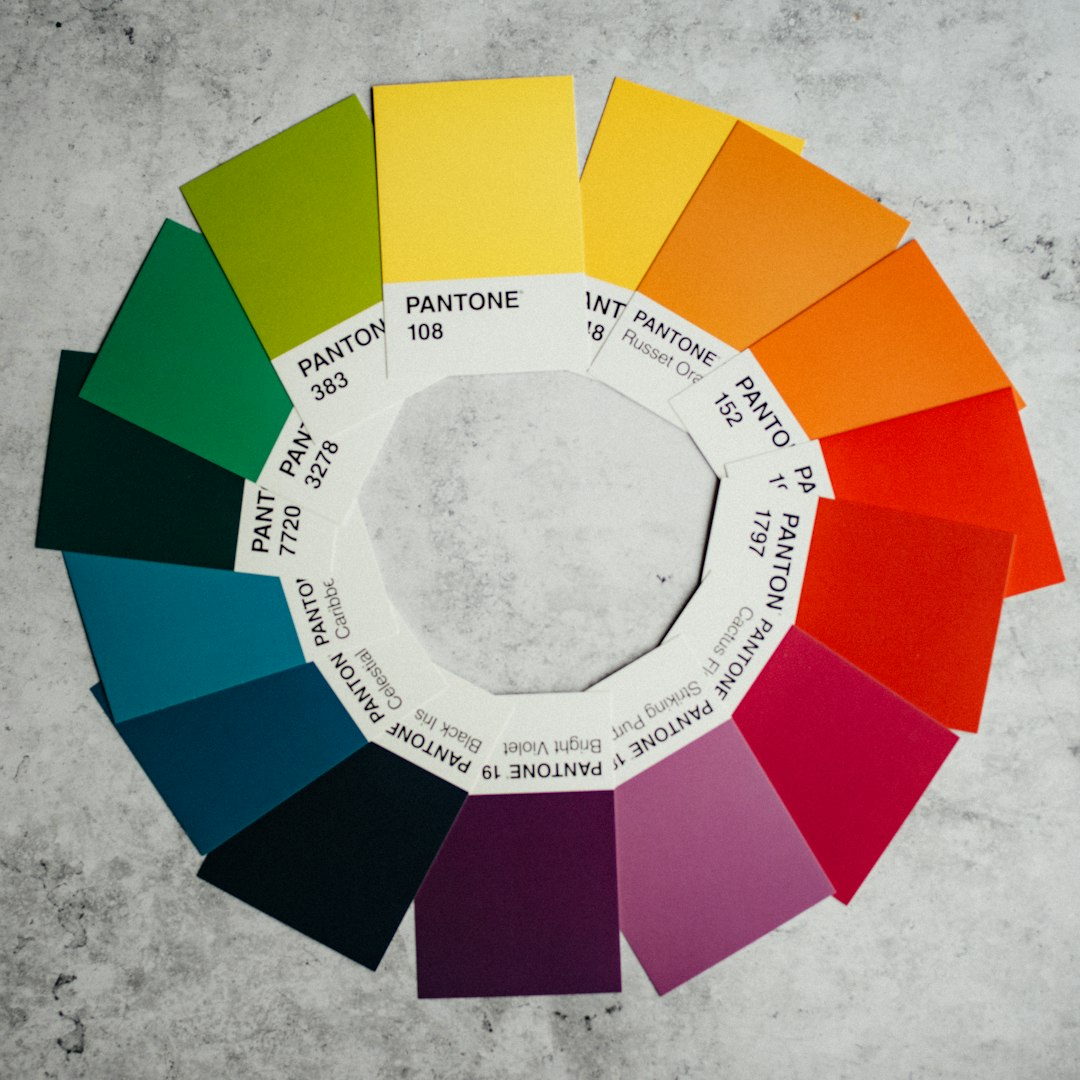

In the evolving world of design and education, the intersection between graphic design and game-based learning has given rise to a new and powerful category of tools — graphic design games. These interactive learning tools not only teach essential design principles but also engage users through dynamic, gamified experiences. As digital literacy and creativity become increasingly vital in both academic and professional arenas, such platforms play a critical role in shaping the skills of aspiring designers and creative thinkers.
TL;DR: Graphic design games offer an interactive, engaging way to learn design principles such as typography, color theory, layout, and branding. These tools cater to students, professionals, and hobbyists alike, making the learning experience active and immersive. By combining game mechanics with skill development, they promote retention and experimentation. Overall, graphic design games are transforming how visual design is taught and learned.
The Need for Interactive Learning in Graphic Design
The conventional methods of teaching graphic design often revolve around lectures, static tutorials, and textbook learning. While effective to a degree, these methods can sometimes fail to engage learners or stimulate creativity. Additionally, the complexity of design tools like Adobe Illustrator or Photoshop can be intimidating for beginners.
This is where interactive learning platforms come into play. By combining the fundamentals of graphic design with the immersive nature of games, these tools lower the barriers to entry and encourage deep, hands-on engagement with design principles. Learners can practice in a sandbox environment where making mistakes is not only accepted but encouraged, promoting trial and error and creative risk-taking.
What Are Graphic Design Games?
Graphic design games are educational platforms or digital experiences designed to teach users about design through gameplay. These may include:
- Games that teach typography alignment and spacing.
- Color theory challenges where players build harmonious palettes.
- User interface (UI) mockup contests with immediate feedback.
- Branding simulators where learners design logos or entire identities.
What sets these games apart from traditional learning tools is their ability to provide real-time feedback, measure progress, and create a competitive or collaborative environment. They often incorporate scoring systems, leaderboards, and personal portfolios to enhance skill tracking and engagement.
Popular Types of Graphic Design Learning Games
The landscape of graphic design games is broad and continually expanding. Here are several popular formats commonly used in these tools:
1. Typography Challenges
Typography is one of the most critical aspects of graphic design, widely regarded as both an art and a science. Games like KernType present users with real-world typography alignment problems, asking them to adjust spacing between letters to achieve visual harmony.
These games help train a designer’s eye to:
- Recognize poor spacing and alignment issues.
- Understand kerning, tracking, and leading in practice.
- Gain visual rhythm and balance.
2. Color and Contrast Games
Platforms like Color Method and Color Hunt offer interactive ways to experiment with color theory. These games teach users to build color palettes based on complementary, analogous, triadic, and monochrome themes.
Through these games, players develop:
- A strong sense of hue relationships.
- The ability to predict emotional impact from color.
- Skills in accessibility by evaluating contrast ratios.

3. Logo and Branding Simulators
Branding games often simulate real-world scenarios, where users are tasked with designing unified visual identities for fictional companies. These tools teach vital concepts in:
- Layout consistency.
- Market-level presentation standards.
- Iterative design and feedback adaptation.
By seeing how their design decisions shape a brand and its perception, learners better understand the business side of graphic design.
4. UI/UX Design Games
Interactive games like Can’t Unsee test how well users can identify polished design choices from less refined ones. These tools are excellent for:
- Training fast visual recognition.
- Understanding spatial relationships in interfaces.
- Refining pixel-perfect accuracy in UI design.
Educational Benefits of Design Games
Incorporating graphic design games into a learning curriculum or self-directed study provides a range of tangible benefits:
1. Engagement and Motivation
Games are inherently more engaging than passive reading or lectures. Scores, levels, and badges keep learners motivated, while challenges and competitions encourage continuous participation.
2. Immediate Feedback and Adaptation
Unlike traditional coursework where feedback may come days after submission, these platforms provide instant correction or praise, allowing learners to adapt rapidly.
3. Safe Space for Experimentation
Interactive platforms allow learners to fail without consequence, a critical aspect of mastering creative disciplines. This fosters confidence and curiosity.
4. Cross-Disciplinary Learning
Many tools blend photography, animation, copywriting, and psychology into design education. This multidisciplinary exposure equips learners with broader creative competencies.
Who Can Benefit from Graphic Design Games?
These tools are versatile and scalable, offering utility across different user groups:
- Students in design or digital media programs can use them to reinforce coursework in a fun, digestible way.
- Educators can integrate them into classrooms to offer active learning opportunities and track student progress visually.
- Professionals looking to sharpen specific skills or stay updated with design trends.
- Hobbyists and self-learners who wish to grow their portfolio or transition into a design-related career.
Integration Into Formal Education
Many schools are beginning to recognize the benefits of game-based learning in design. By integrating these platforms into existing curricula, educational institutions can:
- Encourage collaborative learning through multiplayer modes.
- Offer personalized learning trajectories based on performance.
- Use gamified assessment to replace traditional grading for certain projects.
Some universities have even begun developing their own proprietary games or platforms tailored to their educational models, forming a bridge between academia and professional design tools.
Emerging Technologies Enhancing Learning Games
As technology evolves, so does the depth and impact of graphic design games. New developments are shaping the next generation of tools:
- Artificial Intelligence (AI) that offers contextual feedback on design decisions.
- Augmented Reality (AR) to explore spatial design in real-world environments.
- Adaptive Learning Engines that tailor challenges based on player behavior and progress.
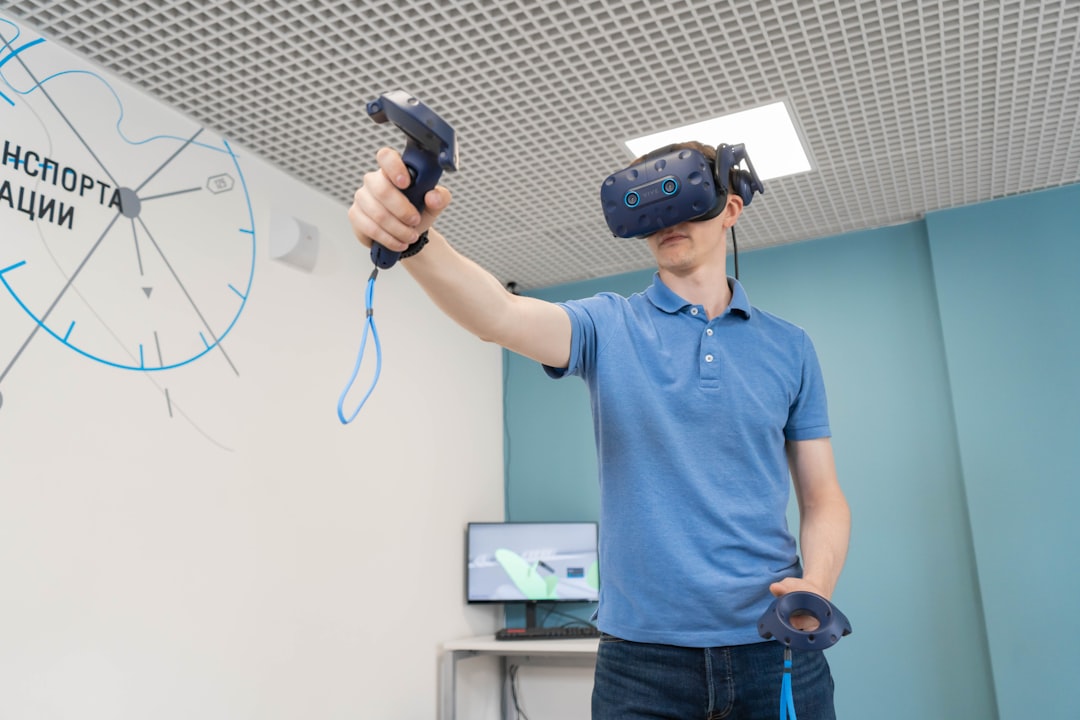
These innovations promise to personalize and deepen learning further, making the study of design increasingly accessible and impactful.
Challenges and Considerations
While the benefits are considerable, there are also challenges that developers and educators must be mindful of:
- Over-simplification: Not all aspects of graphic design can be gamified without sacrificing depth.
- Accessibility: Ensuring the platforms are usable on various devices and by people with disabilities.
- Balancing Game and Pedagogy: The fun shouldn’t overpower the educational objectives.
Developers must strike a balance between addictive gameplay and authentic skill-building. The goal is to reinforce real-world competencies, not just in-game achievements.
Conclusion
Graphic design games represent a significant advancement in how we approach creative education. They offer a vibrant, interactive alternative to traditional learning modalities, making them especially well-suited for a generation raised in the digital world. Whether used in schools, offices, or bedrooms, these tools democratize the learning process, opening the door for anyone with a spark of curiosity to become a competent and confident visual communicator.
In an era where content is king and visuals rule the digital space, knowing how to design effectively is a superpower. And with the help of interactive, gamified platforms, acquiring that superpower has never been more engaging or accessible.