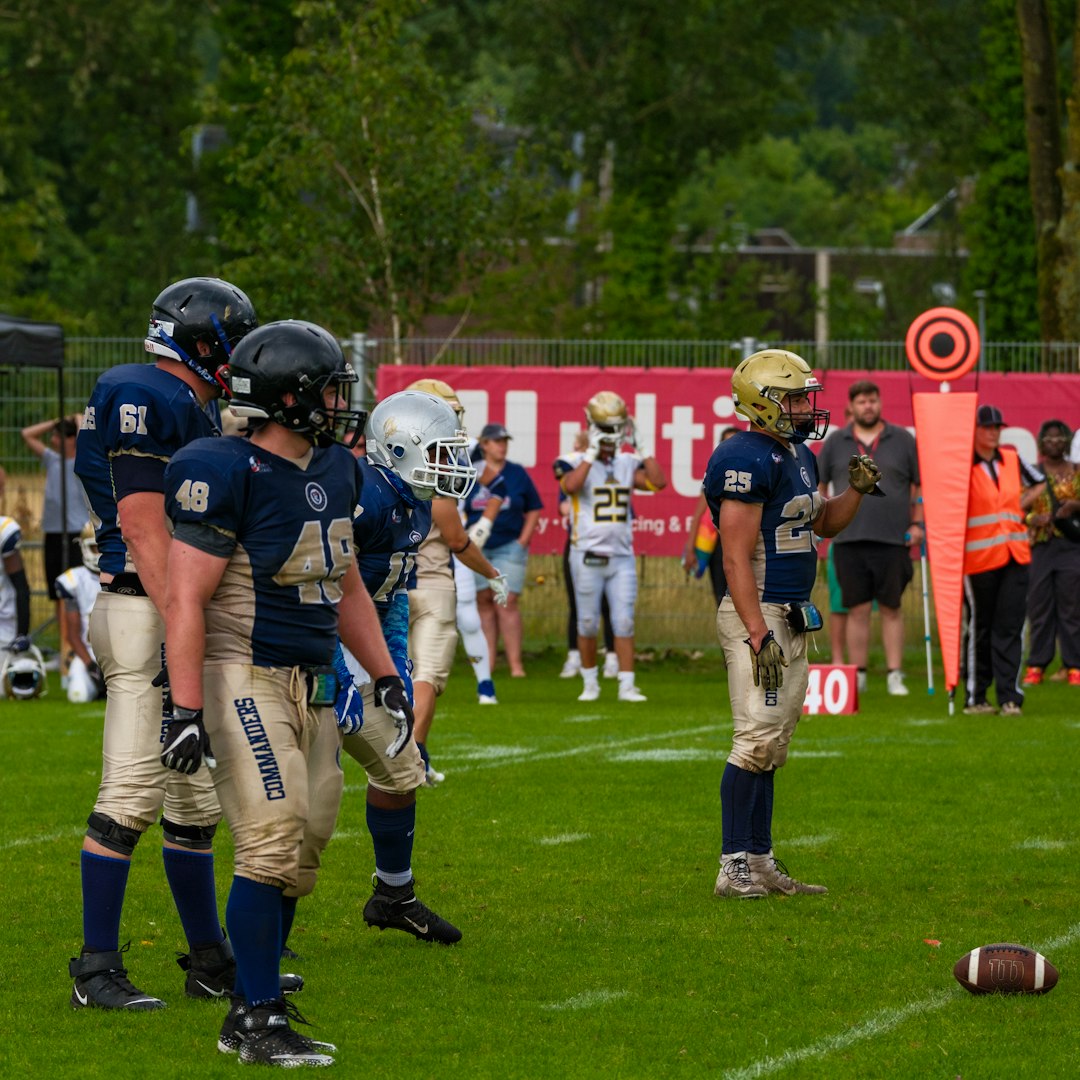

Football is a game of skill, strategy, and physical endurance. Among its many components, few are as crucial—or as defining—as the art of tackling. Whether you play defense or special teams, your ability to tackle effectively can be the difference between a win and a loss. Yet, tackling isn’t just about brute force; it requires precision, awareness, and technique perfected through disciplined training.
TL;DR: Improving your football tackling skills involves mastering the fundamentals, building physical strength, practicing proper techniques, and understanding game situations. Focus on head-up positioning, maintaining body balance, and using film study to anticipate plays. Regular drills, conditioning, and mental preparation are equally essential. Consistency, not just raw strength, leads to tackling success and helps reduce injury risk.
Why Tackling Is a Cornerstone Skill
Every great defense begins with superior tackling techniques. Without it, a team allows excessive yardage and fails to dominate the line of scrimmage. Sound tackling reduces broken plays and instills confidence across your entire squad. Mastering this critical skill isn’t just for linebackers—it applies to safeties, cornerbacks, special teamers, and even quarterbacks working on open-field defense techniques during turnovers.
Mastering the Fundamentals
Before attempting complex tackling maneuvers or harder collisions, it’s essential to nail down the basics. These core skills are the building blocks of a strong tackling foundation:
- Keep Your Head Up: Never lead with the crown of your helmet. Keeping your head up maintains vision and reduces the chance of injury.
- Break Down: Slow your momentum, sink your hips, and stay light on your feet as you approach the ball-carrier. This allows for better lateral movement and reaction time.
- Wrap Up: Use your arms to wrap around the ball-carrier after contact. Don’t rely on shoulder hits alone—they’re easier to bounce off.
- Drive Through: After contact, keep your legs driving to complete the tackle and bring the ball-carrier to the ground effectively.
It may sound simple, but reinforcing these movements through repetition is critical. High-level athletes rehearse these fundamentals every day, even after years in the game.
Build Your Physical Base
Effective tackling is rooted in physical ability, and improving that foundation requires full-body training:
- Lower Body Strength: Powerful legs and hips are crucial for balance, drive, and explosiveness. Focus on squats, lunges, and deadlifts.
- Core Stability: Tackling requires rotation and resistance against opposing force. Planks, Russian twists, and medicine ball slams help here.
- Upper Body Power: Chest, shoulders, and arms are essential for initiating contact and wrapping up. Bench presses, rows, and resistance band work are great tools.
- Conditioning: Wind sprints, shuttle runs, and endurance drills help keep your tackling form sharp, even late in the game.
Combining strength training with position-specific agility work allows for a holistic approach. Conditioning is especially critical for reducing missed tackles caused by fatigue.
Learn Proper Tackling Angles
Tackling isn’t just about strength or fearlessness—it’s about geometry. As you pursue the ball-carrier, your angle of approach determines whether you create a stop or watch a broken tackle happen.
Work on reading the ball-carrier’s path and adjusting your trajectory to cut them off. This often means taking an inside-out angle to force them toward the sideline or into supporting defenders.
Consistent practice with angle pursuit drills greatly improves this awareness. Pair them with reaction-based agility drills to sharpen your ability to adapt mid-play.

Position-Specific Tackling Techniques
Different positions call for slightly different tackling styles based on their responsibilities and typical matchups:
- Linebackers: Often tasked with open-field takedowns and downhill stops. Emphasize initiating contact, shedding blockers, and wrapping around elusive runners.
- Defensive Backs: Focus on solo tackles in space. Prioritize body control and breakdown techniques to prevent whiffs against fast receivers or backs.
- Defensive Linemen: Must tackle through heavy contact at the line of scrimmage. Utilize leverage and hand technique to disengage before completing the tackle.
Understanding what kind of tackle you need to execute—and when—is just as important as how you physically complete it.
Drills to Improve Tackling
Drills offer a focused method to develop and sharpen your form under game-realistic conditions. A few proven tackling drills include:
- Wrap and Roll: Focuses on wrapping up and safely bringing opponents down with rotation. Prevents shoulder-first hits.
- Angle Tackle Drill: Simulates outside-in pursuit with a focus on body position and drive-through finish.
- Form Tackle Circuit: Repeats every phase of the tackle with teaching points: breakdown, hit position, wrap-up, and drive.
These drills should be done under the eye of a qualified coach to ensure safety and proper form. Incorporate them weekly during practice, especially in pre-season development periods.
Film Review: Learn from Experience
One highly underrated way to improve tackling is through video analysis. Watching film of both yourself and other players is invaluable for learning about body position, movement corrections, and anticipation habits.
Focus on areas such as:
- The angle of approach to the ball-carrier
- Timing of the tackle and how early or late contact was made
- Whether the tackler was balanced or off-center at impact
- Success rate of wrap-ups vs. missed tackles
Break down a handful of reps per session. Over time, you’ll start recognizing problem areas and see improvements both in practice and during actual games.
Mental Preparation and Confidence
Great tacklers are confident, not reckless. Building that confidence is a mental and psychological exercise.
Here’s how to develop that inner edge:
- Routine: Develop pre-game routines that center you and clear your mind.
- Visualization: Mentally run through successful tackles before games. Picture form, timing, and finish.
- Stay Composed: A calm, steady approach under pressure helps you stay focused and avoid penalties.
Tacklers that hesitate are more prone to get juked or make dangerous attempts. Practice in safe, repetitive environments until each step becomes muscle memory.
Stay Safe, Stay Effective
The best tacklers not only stop the play—they consistently do it without getting hurt or penalized. Safety starts with technique but extends to conditioning, awareness, and discipline.
Remember to always:
- Use your shoulders and arms, never your head as the point of contact
- Keep your pads low to avoid target penalties
- Drive through, not into, the opponent for maximum control
Every player should be familiar with and adhere to NFL and NCAA tackling guidelines, especially regarding leading with the helmet and avoiding defenseless hits. The safest technique is often the most effective one.
Conclusion
Improving your football tackling skills demands consistency, purposeful training, and a long-term focus on both physical conditioning and mental readiness. Respect the process and commit to practicing the fundamentals. Whether you’re playing high school ball, pushing for a collegiate spot, or just training with your teammates, mastering tackling gives you the edge. It’s not about being the biggest hitter—it’s about being the smartest, most reliable competitor on the field.