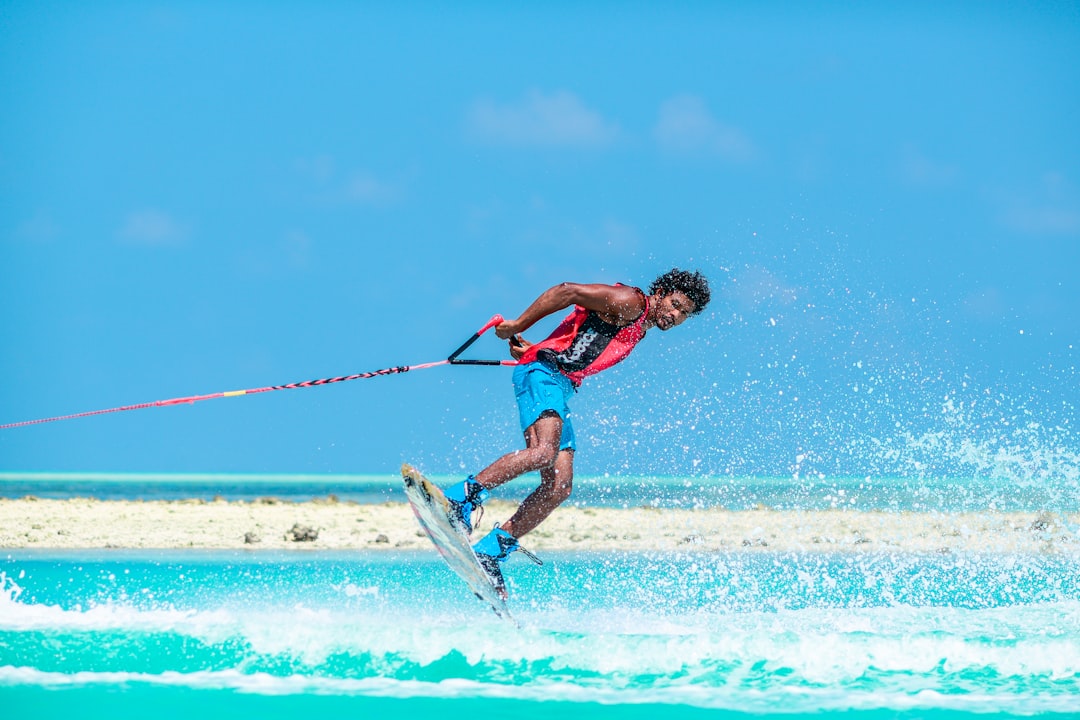

Paddlesports are a diverse and exhilarating group of water-based activities that involve the use of paddles to propel various types of watercraft. Whether for recreation, sport, adventure, or fitness, paddlesports offer an enriching way for people to connect with nature, challenge themselves physically, and enjoy the water in all its forms.
TL;DR: Paddlesports are water activities involving paddles to move kayaks, canoes, paddleboards, and other similar vessels. These activities can be recreational or competitive and are enjoyed in lakes, rivers, oceans, and whitewater environments. Suitable for all ages and skill levels, paddlesports offer numerous fitness and mental health benefits. Popular types include kayaking, canoeing, and stand-up paddleboarding.
What Are Paddlesports?
Paddlesports encompass a wide variety of water-based activities where the main propulsion method is through the use of a paddle. Unlike rowing, where paddles are typically fixed to the boat, paddlers in paddlesports manually operate their paddle to steer and move through the water. These sports are conducted in different environments, including calm lakes, flowing rivers, open oceans, and tumultuous whitewaters.
Key Types of Paddlesports
There are several primary forms of paddlesports, each offering unique experiences and challenges:
- Kayaking – The use of a small, narrow watercraft called a kayak, which is propelled using a double-bladed paddle. Kayaking can be recreational, touring, or competitive in whitewater rapids or flatwater speed races.
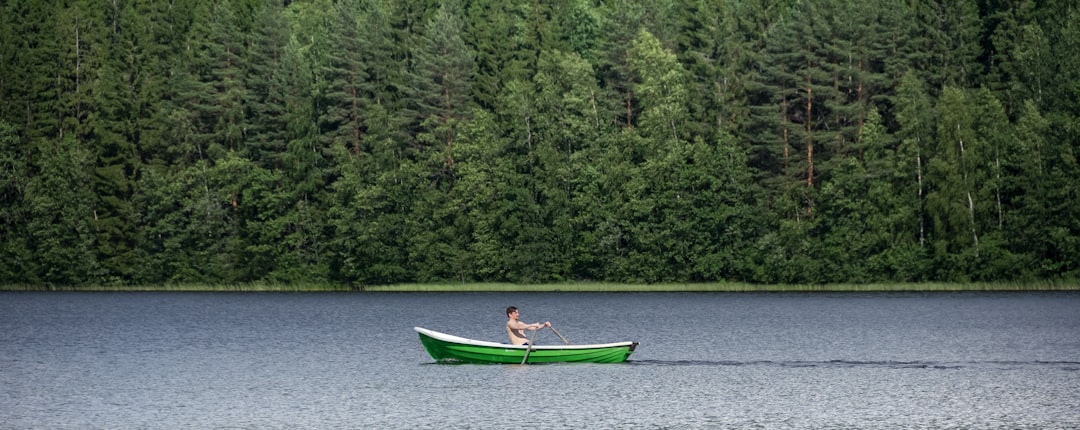
- Canoeing – Typically involves an open-top boat paddled with a single-bladed paddle. Canoeing is popular in calm lakes, rivers, and some whitewater environments.
- Stand-Up Paddleboarding (SUP) – Involves standing on a wide, stable board and using a long paddle to move across the water. It combines balance, coordination, and strength and is often used for fitness and yoga on the water.
- Rafting – Involves navigating a river in an inflatable raft, often in groups. While it can be leisurely, most rafting is associated with navigating whitewater rapids for an adrenaline-pumping experience.
- Dragon Boating – A team paddling sport involving a long boat decorated like a dragon, propelled by a synchronized group of paddlers, often in races.
Equipment Used in Paddlesports
The required equipment varies depending on the specific paddlesport but generally includes:
- Watercraft – Kayaks (including sit-in and sit-on-top), canoes, paddleboards, or rafts.
- Paddles – Single- or double-bladed, designed based on the sport and water conditions.
- PFDs (Personal Flotation Devices) – Essential for safety, especially in flowing or unpredictable waters.
- Safety Gear – Helmets for whitewater activities, leashes for boards, bilge pumps, and first-aid kits.
- Dry Bags – Used to keep dry clothes, electronics, and valuables safe from water exposure.
- Appropriate Apparel – Depending on the season and location, this can include wetsuits, quick-dry clothing, and water shoes.
Benefits of Paddlesports
Paddlesports aren’t just fun – they offer a host of benefits:
- Physical Fitness – They provide a full-body workout, improving strength, endurance, and cardiovascular health.
- Mental Health – Being on the water helps reduce stress, provide mental clarity, and enhance overall well-being.
- Connection to Nature – Many paddlesports take place in scenic environments, offering ways to explore and appreciate the natural world.
- Accessibility – Many paddlesports can be enjoyed by beginners with minimal training and do not require expensive gear.
Who Can Participate?
Paddlesports are highly inclusive activities, accessible to people of different ages, abilities, and skill levels. Both beginners and experienced athletes can find a paddlesport that matches their interests and fitness goals. Adaptive paddling programs are also available for individuals with disabilities, allowing everyone to enjoy these sports safely and confidently.
Where to Enjoy Paddlesports
The beauty of paddlesports lies in their versatility when it comes to location. Common places people participate in paddlesports include:
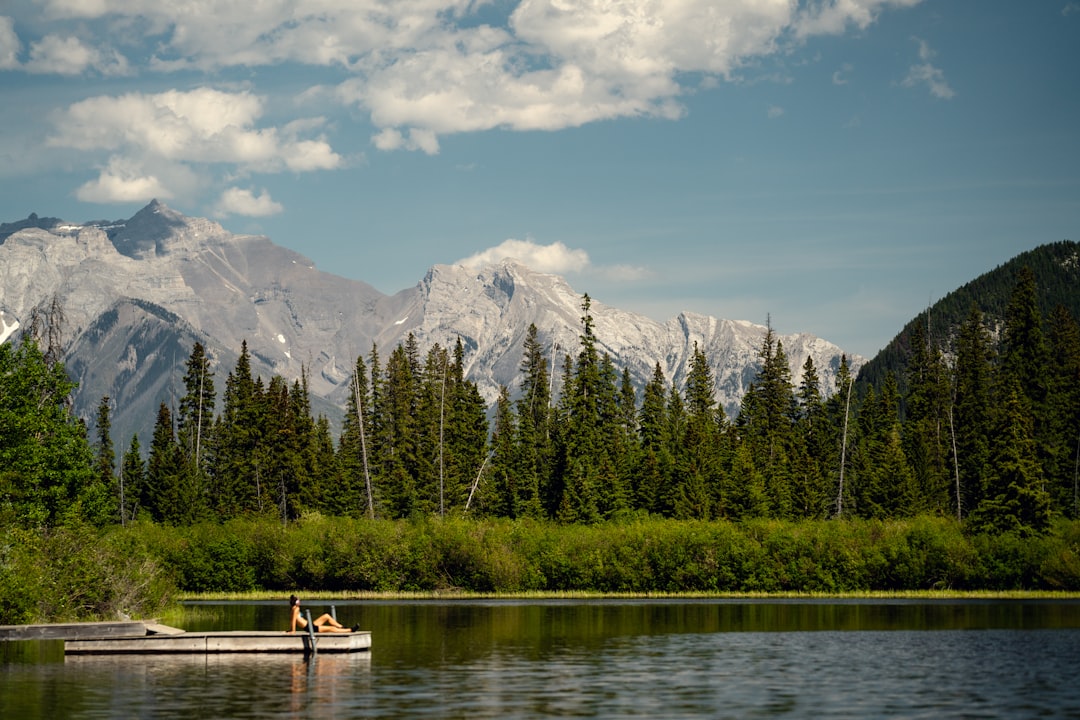
- Calm Lakes and Reservoirs – Ideal for beginners and casual paddlers.
- Rivers – Range from slow-flowing rivers perfect for a day trip to challenging whitewater environments for experienced kayakers and rafters.
- Coastal Waters and Bays – Offer scenic experiences and the chance to explore marine life, sea caves, and coves.
- Paddleparks or Man-Made Courses – Built for training and enrichment, featuring obstacles or simulated river conditions.
Competitions and Events
For those interested in a more structured or competitive side, paddlesports offer a variety of races, festivals, and events worldwide. Some of the most popular include:
- Olympic Canoe/Kayak Events – These include slalom and sprint races with international competitors.
- SUP Races – Growing in popularity, with various distances and formats including relays and surf contests.
- Rafting World Championships – Pushing the limits in thrill environments with team-based rafting races.
- Local Regattas – Community events featuring multi-distance races, instructional workshops, and family-friendly fun.
Safety Considerations
Although paddlesports are generally safe, safety must always be a priority. Key reminders include:
- Always wear a properly fitted personal flotation device.
- Check weather and water conditions before setting out.
- Inform someone about your paddling plans and expected return.
- Stay within your skill level, especially in rapids or open ocean.
- Bring ample water, sun protection, and a map or GPS device.
Getting Started with Paddlesports
If you’re interested in trying out paddlesports, start by attending a local paddling club or renting equipment at a waterfront facility. Many parks and recreational centers offer beginner classes and equipment rentals for reasonable prices. Joining a group outing can help build confidence while learning the basic techniques under the guidance of experienced instructors.
Beginners might consider trying:
- Flatwater kayaking for easy control and stability
- Paddleboarding for an engaging full-body workout and fun balance training
- Casual canoeing trips on calm lakes for a relaxed journey
As skill and interest grow, you can explore more technical forms of the sport, upgrade your equipment, and even travel to paddle in exotic destinations.
Conclusion
Paddlesports offer something for everyone—whether it’s the serene glide of a paddleboard on a still lake or the adrenaline rush of a kayak cutting through rapids. They foster physical health, personal growth, and a deeper connection to the natural world. With just a paddle, a boat, and a sense of adventure, the world’s waterways become a playground of endless possibilities.
FAQ
- What is the difference between kayaking and canoeing?
Kayaking typically involves a closed-deck boat and a double-bladed paddle, while canoeing uses an open-top boat and a single-bladed paddle. - Do I need special training to start paddlesports?
No. Many paddlesports can be learned quickly through introductory lessons or guided tours. However, specialized environments like whitewater may require more instruction. - Is it safe for kids to try paddlesports?
Yes. With appropriate supervision, safety gear, and