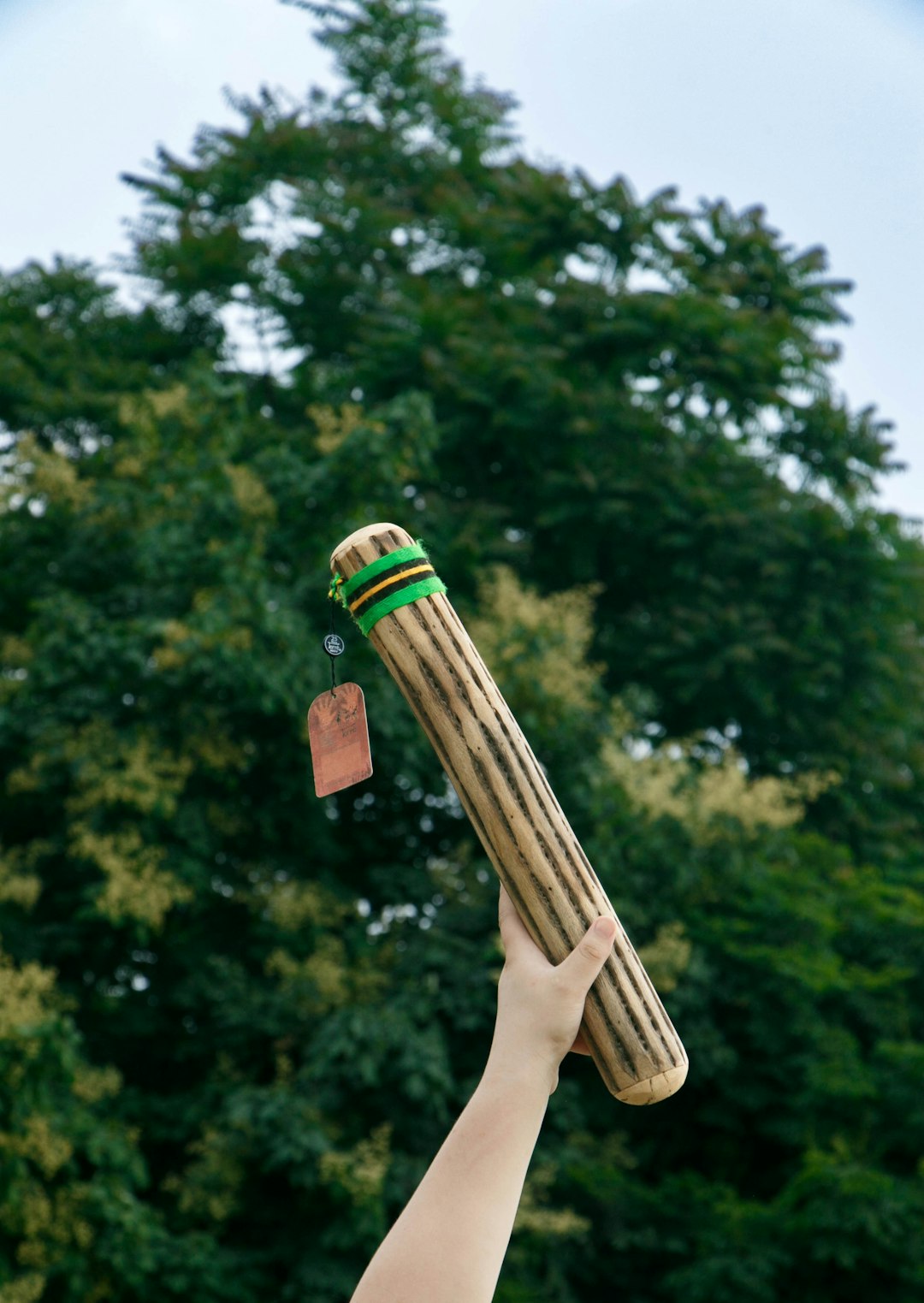

Croquet is a strategic and social lawn game that dates back to 19th-century England. Combining elements of precision, planning, and gentle competition, it has grown into a popular pastime across the world. Whether you’re playing casually in your backyard or gearing up to join a local club, learning to play croquet correctly ensures the best experience possible.
TL;DR
Croquet is a classic lawn game played with mallets, balls, and wickets. The objective is to hit your ball through a series of hoops (wickets) in a specific order and direction before your opponents do. You’ll take turns and use strategy, including positioning and roqueting other players’ balls, to gain an advantage. Learn the course layout, equipment, turn-taking rules, and basic tactics to get started confidently.
Understanding the Basics
To start playing croquet, it’s essential to familiarize yourself with the core components of the game. Croquet may come in different formats, but the most common beginner version is backyard or garden croquet, which is perfect for recreational play.
What You’ll Need
- Mallets: One per player, these are used to strike the balls.
- Balls: Typically four colored balls (blue, red, black, and yellow) used by players.
- Wickets (Hoops): There are usually 6 wickets to form a double-diamond course.
- Stakes: One stake at each end of the course to mark the beginning and end of play.
If you’re playing with a standard croquet set, you can play with 2 to 6 players. Each person plays a color, and the sequence of play usually follows this order: blue, red, black, yellow.
Setting Up the Course
A traditional backyard croquet course includes 6 wickets and 2 stakes, set up in a double-diamond pattern. Here’s how to set up the course:
- Place a stake at each end of a rectangular lawn about 50 feet by 100 feet in size.
- Set 3 wickets in a triangle formation at each end with the stake beyond the far wicket.
- The middle wicket sits exactly in the center of the field and is used twice in gameplay – once in each direction.
Make sure the ground is level and free of obstacles. Proper spacing is crucial to ensure fair gameplay and appropriate difficulty.
Objective of the Game
The aim of croquet is simple: be the first to navigate your ball through all the wickets in the correct order and direction and then strike the finishing stake. The course must be completed in a specific sequence, forming a figure-eight pattern.
Players can improve their position or interfere with opponents by strategically hitting other balls, earning extra hits known as bonus strokes.
Basic Rules of Gameplay
Once the course is set up, here’s how the game proceeds:
- Turn Order: Players take turns in the color order: blue, red, black, yellow.
- Initial Stroke: Each player starts from the initial stake, trying to go through the first wicket.
- One Stroke Per Turn: Unless bonus strokes are earned, players get only one hit per turn.
How to Earn Bonus Strokes
- Clearing a Wicket: Successfully passing through a wicket earns one extra stroke.
- Roqueting: Hitting another player’s ball earns two bonus strokes. The first bonus stroke must be a croquet stroke—placing your ball against the one hit and then striking your ball to move both.
Remember, each ball can only be roqueted once per turn unless you score another wicket with your own ball, which resets the roquet opportunity.
Winning the Game
To win, a player must:
- Pass through all 6 wickets in the correct order and direction.
- Pass through the 6 wickets again in reverse direction (optional in more advanced play).
- Hit the finishing stake to end the course.
In casual or backyard versions, players typically complete a one-direction course. Competitive or full-length games often require both forward and backward movement through the wickets.
Strategies for Beginners
To play effectively and enjoy the game more fully, here are some beginner strategies:
- Plan Ahead: Don’t just focus on a single wicket. Think about where your next shot will be after scoring.
- Use Roquets Wisely: Target opponents’ balls to disrupt their setup or gain extra turns.
- Control Your Strength: Practice using just enough force to reach your target without overshooting.
- Stay Defensive: If you’re behind, position your ball in front of your opponent’s next wicket to block them.
Common Mistakes to Avoid
- Overhitting: It’s easy to use too much force. Gentle, controlled strokes are much more effective.
- Ignoring Positioning: After clearing a wicket, always consider your position for the next stroke.
- Wasting Bonus Strokes: Use each opportunity to advance through the course or gain strategic positioning.
- Not Knowing the Sequence: Memorize the order and direction of wickets to avoid unnecessary penalties.
Different Versions of the Game
There are several different forms of croquet played around the world. Three of the most recognized are:
- Backyard Croquet: Simplified rules, popular for family and casual gameplay.
- Golf Croquet: Players attempt the same wicket simultaneously, creating a highly competitive, fast-paced game.
- Association Croquet: The international standard of organized play, with more advanced techniques and rules.
Backyard croquet is ideal for beginners, while Golf Croquet serves as a stepping stone to the deeper tactics of Association Croquet.
Tips for Hosting a Croquet Game
Thinking of organizing a friendly neighborhood or family match? Here are some organizing tips:
- Mark the field clearly: Visibility helps keep the game fair and reduces disputes.
- Offer a rules briefing: Ensure everyone understands the basics before starting.
- Keep extra gear on hand: Spares can be a lifesaver in longer matches.
- Hydrate and shade: Have water and shade available during sunny conditions.
Conclusion
Croquet might appear simple at first glance, but once you start playing, its nuanced tactics and satisfying pace quickly become addicting. Best of all, it’s a game that combines mental strategy with gentle physical effort, making it suitable for players of nearly all ages and abilities.
Whether you’re playing informally in the backyard or aspiring to join a club, knowing the rules, strategies, and objectives will elevate your game. Set up your course, grab your mallet, and give croquet a swing—it might just become your new favorite pastime.