

The retail football market, once dominated by replica kits and physical merchandise sold at stadium stores, is rapidly transforming. Driven by changes in consumer behavior, advancing technology, and an increasing desire for immersive experiences, clubs and brands are pivoting their strategies to meet evolving fan expectations. As football continues to globalize, its retail presence is expanding beyond the 90-minute match to become a full-fledged lifestyle experience. This transformation is being shaped by a fusion of digital innovation, personalization, and emotional engagement.
The Rise of Experiential Retail in Football
Today’s football fans don’t just want to support their team — they want to feel part of something bigger. This has pushed brands and clubs to redefine how they offer value through retail. Rather than just selling merchandise, clubs are now curating experiences that connect fans with their favorite players, moments, and the history of the game.
Experiential retail has become a buzzword within the industry. Stadium tours are now bundled with exclusive merchandise deals. Pop-up shops transform urban spaces into immersive environments, allowing supporters to feel like they’ve stepped into the locker room or walked through the tunnel onto the pitch. Many top clubs even offer augmented reality (AR) apps that place fans into virtual scenes from historic matches, giving them a sensory-rich taste of glory.
Moreover, stores themselves are becoming more experiential. Club retail outlets at stadiums and in city centers are blending modern architectural design with interactive elements, such as digital kiosks where fans can view highlight reels, customize clothing, or even order items to be delivered to their seats.

Digital Transformation and E-Commerce Evolution
One of the most significant forces driving the reshaping of football retail is the rise of digital commerce. Football fans no longer need to visit physical stores; a few taps on a smartphone are enough to order everything from jerseys to limited-edition collectibles. As a result, clubs are investing heavily in robust online retail platforms that replicate — and often enhance — the in-store experience.
These platforms are increasingly personalized. Advanced AI analytics track fan preferences and generate tailored recommendations based on browsing behavior, past purchases, and even favorite players. This level of insight not only increases sales but also enhances fan satisfaction, as supporters feel understood and valued.
- Live shopping events: Clubs now host live-streamed shopping experiences featuring former players or celebrities showcasing new apparel or exclusive items.
- In-app purchases: Leading clubs have developed official apps that allow fans to shop directly from their phones, watch behind-the-scenes content, and receive real-time discounts during matches.
- Cross-platform integration: Shop links are now embedded in social media posts, allowing for seamless transitions from content consumption to purchase.
Additionally, blockchain technology is becoming integrated into the retail football market through NFTs (non-fungible tokens), offering fans a new avenue to own digital assets that are verifiably unique. Everything from digital match-day posters to virtual player trading cards are seeing traction, especially among younger, tech-savvy audiences.
Fan Customization: The Era of Personal Connection
One of the most notable trends is the increase in customization and personalization. Fans no longer want generic merchandise; they prefer items that reflect their individual connection to the club. Whether it’s a jersey with their name stitched on the back or a bespoke video message from a player, personalized offerings are now a vital component of retail strategy.
Several clubs have launched features on their online stores that allow:
- Customized jersey printing with guide visuals
- Interactive design tools where fans can design their own scarves or banners
- Exclusive packages that include physical and digital products tailored to key fan segments (like youth, international fans, or long-time season ticket holders)
This trend isn’t just about selling more; it’s about deepening the emotional engagement fans feel with their team. It translates to higher retention, more referrals, and increased brand loyalty.
Social Media and Influencer Integration
Football clubs are also becoming more sophisticated in how they utilize social media for retail purposes. Instagram, TikTok, X (formerly Twitter), and YouTube are increasingly used not just for content distribution, but as dynamic sales platforms. Influencers, especially ex-players and popular fan accounts, play a major role in product exposure and conversion, offering an organic connection between retailers and consumers.
For instance, a recent kit launch by a prominent European club involved influencers unveiling the new jersey through a coordinated multi-platform campaign. Behind-the-scenes content, interviews with designers, and exclusive giveaways created a buzz that led to record-breaking pre-orders.
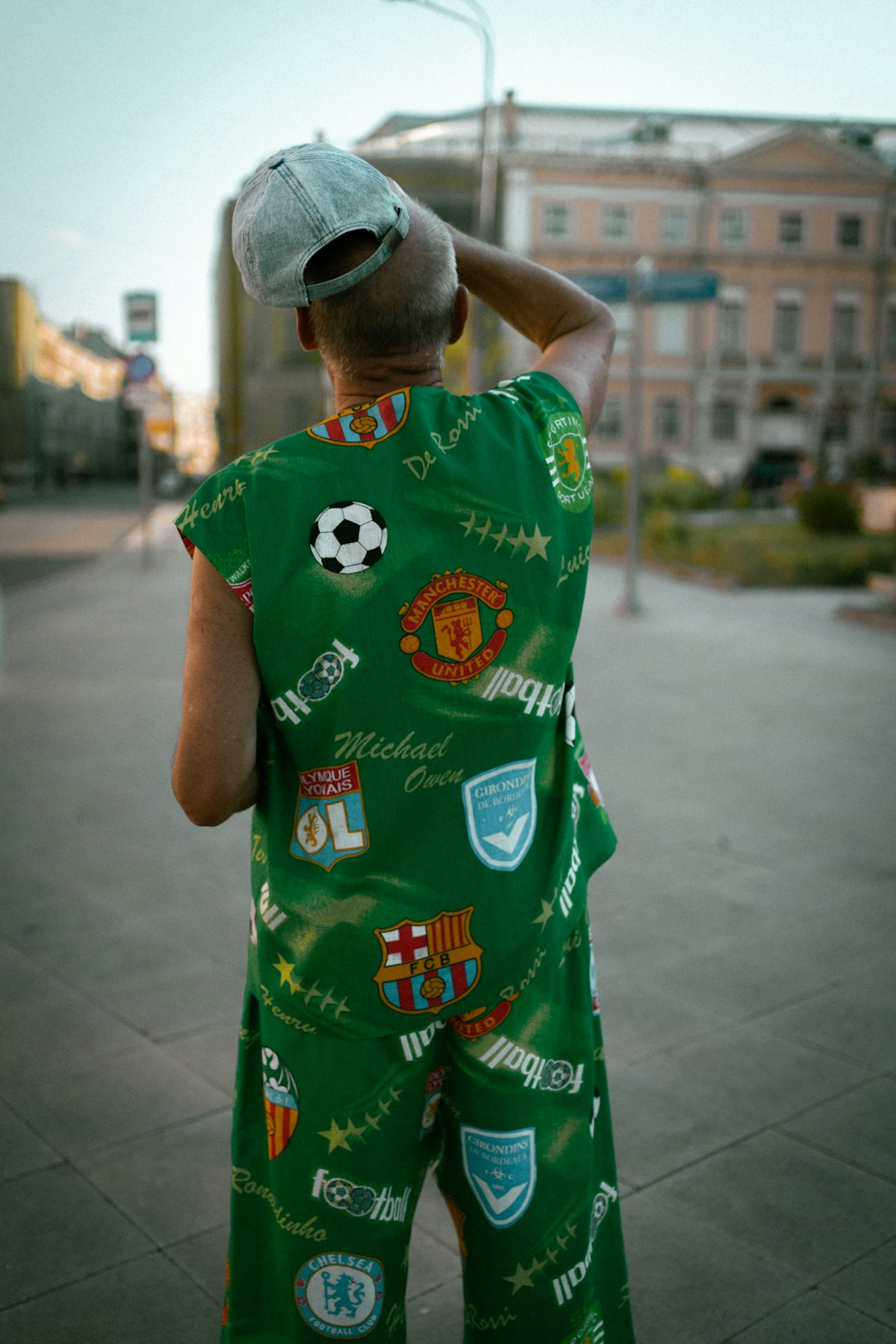
Collaborations with high-profile fashion brands and artists are also on the rise. This blending of streetwear and sportswear means that football merchandise is no longer confined to stadiums and matchdays — it’s part of everyday fashion. Nike’s and Adidas’s partnerships with global football clubs have expanded beyond sportswear, launching lines with lifestyle appeal that target urban and youth demographics.
Globalization and Regionalization Coexisting
The digital revolution has enabled clubs to reach fans across the globe — from Lagos to Los Angeles. This global reach requires locally nuanced approaches. Clubs are now selling localized merchandise collections that resonate with cultural traditions, language, and regional pride.
For instance, Asian New Year editions of jerseys or special anniversary kits for South American tours have performed exceedingly well. Clubs are setting up regional fulfillment centers and using dynamic translation and payment integration on their websites to build local trust and improve delivery efficiency. By treating international fans not just as buyers but as part of a wider football community, clubs are reinforcing global loyalty.
Data and Tech: Powering the Retail Revolution
All of these trends would not be possible without the power of data. By analyzing massive streams of information collected through online interactions, wearable fan tech, apps, and customer feedback, clubs can refine their offerings with laser precision.
Examples of how data is transforming retail include:
- Predictive inventory management to reduce out-of-stock scenarios during product drops
- Location-based loyalty programs offering matchday shop discounts when fans are near stadiums
- Dynamic pricing models that adjust based on demand, time of day, or specific consumer segments
Even AI-generated design concepts are beginning to appear in product development, allowing clubs to release items tailored to both trend data and aesthetic preferences.
The Future of Football Retail
Looking ahead, the retail football market is destined to become even more integrated with digital ecosystems and social platforms. Emerging technologies such as the metaverse and virtual reality present tantalizing new avenues for interaction — imagine trying a jersey in a 3D virtual locker room before making a digital asset purchase that mirrors its physical counterpart.
Sustainability is also fast becoming a priority. With growing scrutiny over fast fashion and environmental impact, many clubs are exploring recycled materials, ethical sourcing, and carbon-neutral delivery options as parts of their retail operations.
What’s clear is that football retail is no longer a standalone industry; it is part of a wider digital and experiential lifestyle network. Fans want convenience, personality, immersion, and authenticity — and clubs that can provide that will not only generate revenue but cultivate lifelong loyalty.
In the end, the winning teams will be those that realize that in the age of experience and innovation, football is played as much off the pitch as it is on it.