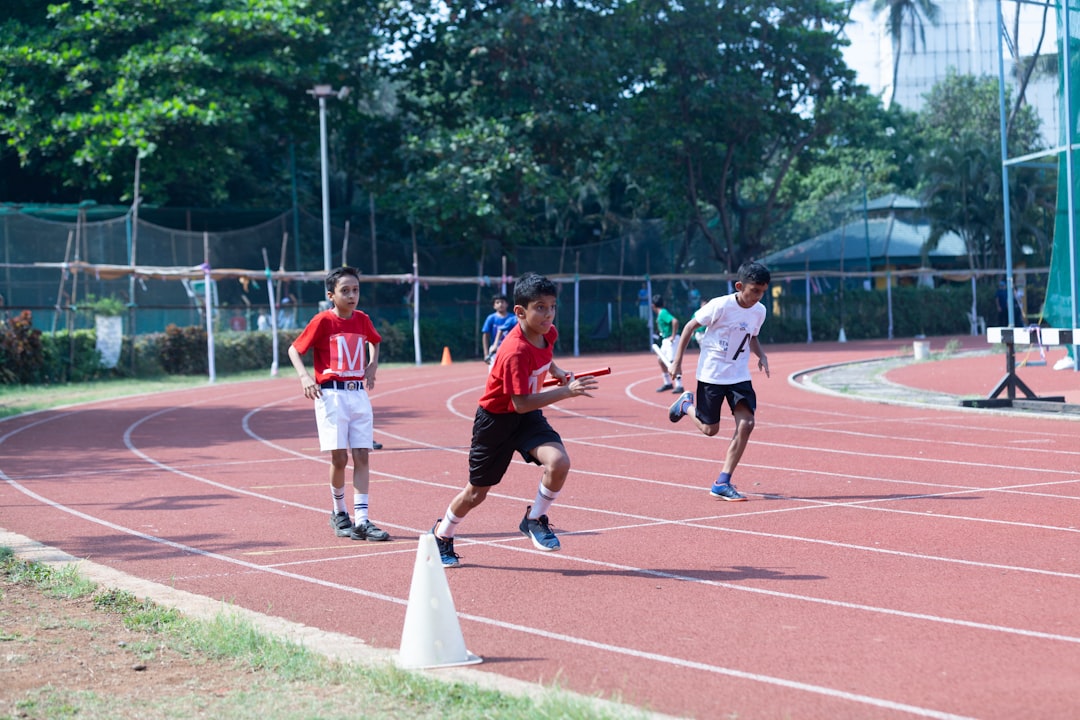

In today’s landscape of health consciousness and the promotion of physical well-being, the importance of youth sports programs has never been more pronounced. As schools continue to face budget cuts and resource constraints, County Sports Partnerships (CSPs) stand as key players in bridging the gap between educational institutions and community-wide sporting initiatives. By forming structured collaborations with schools, CSPs not only help raise the standard of youth physical education but also instill a lifelong appreciation for health and fitness.
The Value of County Sports Partnerships
County Sports Partnerships are networks of local organizations—ranging from local authorities to national governing bodies—that work together to deliver better physical activity opportunities. Their mission typically includes increasing participation in sport, improving coaching and volunteer development, and enhancing local sports infrastructure. Through close ties with schools, CSPs are uniquely positioned to foster sustainable, inclusive, and impactful youth sports programming.
Why Schools are Ideal Partners
Schools are central hubs in every community, accessible to children across socio-economic backgrounds. They offer:
- Consistent access to youth populations.
- Established infrastructures such as gyms, courts, and fields.
- Dedicated staff with a vested interest in student health.
- Curriculum integration opportunities, blending academics with sports education.
Partnering with schools allows CSPs to implement long-term, curriculum-embedded programs rather than one-off events or short-term camps.
Best Practices for Effective Partnerships
1. Establish Clear Communication Channels
One foundational step to a successful partnership is open and structured communication. CSPs should designate a liaison officer responsible for coordinating with school administration, PE teachers, and student bodies. Regular meetings, progress reports, and feedback mechanisms ensure that both sides stay aligned on objectives and expectations.
2. Customize Programs to Fit School Needs
No two schools are exactly alike. Differences in student demographics, facilities, and curriculum schedules mean that a one-size-fits-all approach won’t work. Instead, CSPs should conduct an initial needs assessment at each prospective partner school, considering:
- Student interest and participation rates.
- Existing extracurricular programs.
- Facility availability.
- Staff capacity to support sports initiatives.
This approach ensures that programs are tailored to enhance the school’s unique environment.
3. Foster an Inclusive Environment
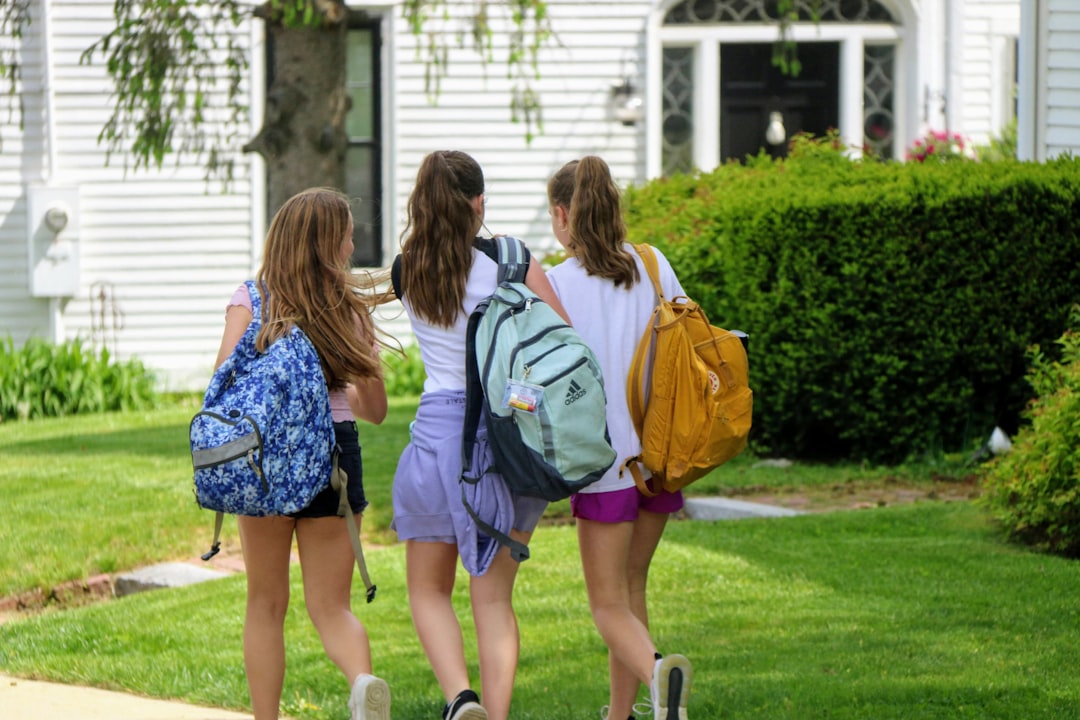
One of the most important CSP goals should be inclusivity. Programs need to be accessible to students of all skill levels, genders, ethnicities, and economic backgrounds. Consider these elements when designing activities:
- Offering non-competitive recreational options alongside competitive teams.
- Creating programs specifically for students with disabilities.
- Incorporating culturally sensitive activities.
- Ensuring all equipment and kits are free or subsidized.
4. Train and Support School Staff
Empowering teachers and school staff helps ensure the program’s longevity. CSPs can offer training workshops, coaching certification courses, and leadership development seminars tailored to educators. Providing resources like lesson plans, activity guides, and equipment can also ease implementation.
5. Align with National Curriculum and Qualifications
For programs to gain long-term traction within schools, they must support academic goals. CSPs should align their projects with national physical education curricula and offer accreditations or qualifications that add value to student learning. This alignment not only legitimizes sport in the academic environment but also helps it become a graded element of student development.
Real-World Success Stories
Several County Sports Partnerships have exemplified these best practices. Here are a couple of notable examples:
Active Suffolk
Active Suffolk partnered with local primary schools to roll out the “Daily Mile” initiative—encouraging pupils to walk, jog or run for 15 minutes every day within school hours. By involving teachers, parents, and community volunteers, they achieved a high level of participation and saw improvements in stamina, attention spans, and classroom behavior.
Active Lancashire’s School Games
This CSP runs an annual School Games program involving inter-school competitions and skill development events across multiple sporting disciplines. By focusing on fun, cooperation, and skill-building, the program reaches over 70% of school-aged youth in the region while also identifying talented young athletes for advanced training pathways.
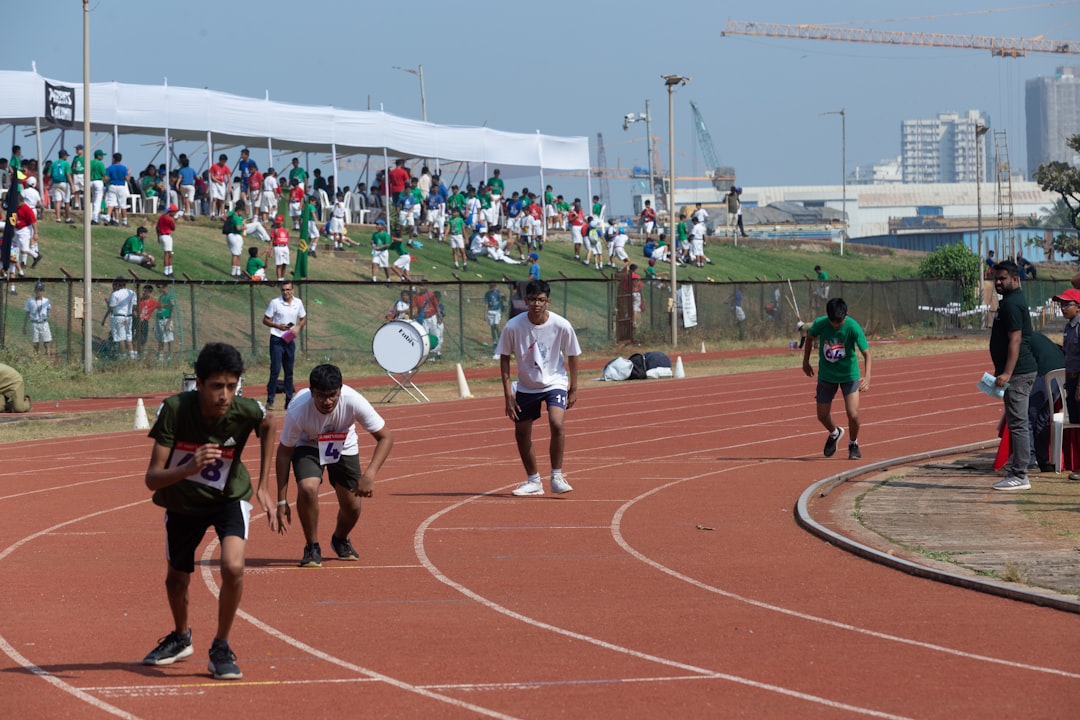
Leveraging Technology for Engagement
Incorporating technology can dramatically boost student engagement. CSPs and schools are now using platforms that enable:
- Online skill tracking and goal setting.
- Live-streamed fitness classes or sport events.
- Interactive tutorials covering techniques and rules.
- Digital badges and gamified achievements.
These digital integrations also make it easier to collect data on participation rates, skill progression, and overall program impact—valuable metrics for both schools and CSPs.
Building Community Through Sport
One often-overlooked benefit of school partnerships is the opportunity to engage the wider community. Weekend leagues, parent-child tournaments, and after-school clubs help form strong community ties. These activities not only instill pride and team spirit among students but also provide a social fabric that supports holistic youth development.
Securing Sustainable Funding
While enthusiasm and effort are critical, sustainable funding is what makes or breaks these initiatives. To ensure financial longevity, CSPs should explore:
- Government grants targeting youth development and health promotion.
- Corporate sponsorships from local and national businesses interested in CSR opportunities.
- Fundraising events within the school and community.
- Private donations from alumni or philanthropic organizations.
Diversifying funding sources ensures the program isn’t vulnerable to a single stakeholder’s financial decisions, thus safeguarding its future.
Measuring and Celebrating Impact
To keep momentum and justify continued investment, it’s crucial to measure success not only in terms of participation numbers but also in qualitative outcomes. Key metrics include:
- Improved physical fitness levels and lower absenteeism in participating students.
- Increased engagement in school life and improved classroom behavior.
- Enhanced teacher satisfaction and participation in extracurricular activities.
- Positive parental feedback and higher community involvement.
Regularly publishing newsletters, blogs, or school reports celebrating notable achievements can further consolidate support and encourage other schools to join in.
Conclusion: A Win-Win Collaboration
Partnering with schools offers immense benefits for County Sports Partnerships and the communities they serve. From capacity-building and curriculum integration to community engagement and personal development, the rewards are broad-reaching and long-lasting.
By following proven best practices—effective communication, custom programming, inclusivity, staff training, and integration with educational goals—these partnerships become more than just after-school clubs. They transform into influential platforms that mold healthier, more confident, and more connected generations.