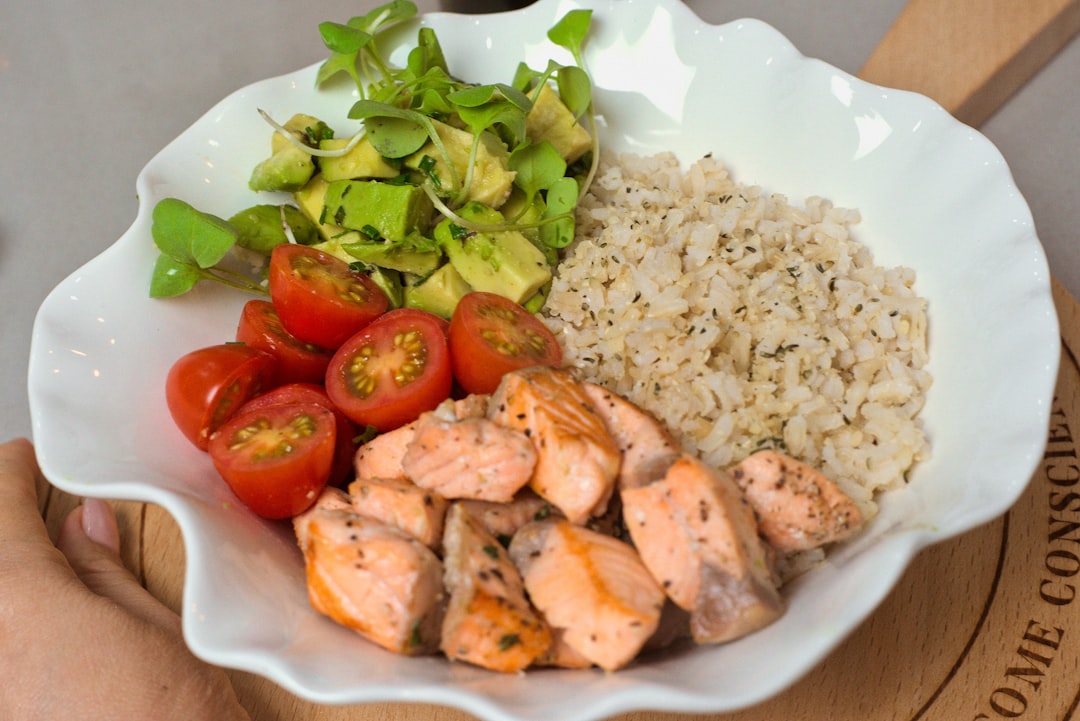

As the leaves begin to change and temperatures start to cool, fall sports kick into high gear. Whether you’re a cross-country runner, football player, soccer enthusiast, or involved in any other fall athletic activity, your performance and recovery hinge significantly on what you eat. Staying fueled with the right nutrients allows your body to meet energy demands, recover faster, and reduce the risk of injury. Understanding the essentials of fall sports nutrition can be the game-changer between an average season and a stellar one.
The Importance of Nutrition in Fall Sports
Fall sports place unique physical demands on the body. Recovery time, weather variation, intensity of training, and frequent competitions necessitate a meticulous approach to nutrition. A well-designed meal plan acts as your foundation to:
- Sustain energy levels during extended training or competition.
- Accelerate muscle recovery following workouts or games.
- Minimize inflammation and immune stress common during colder months.
- Support muscle repair and growth from continuous physical exertion.
Balancing macronutrients — carbohydrates, proteins, and fats — along with appropriate hydration and micronutrient intake, is essential to keep your body performing at its best.
Key Nutrition Strategies for Fall Athletes
1. Fueling with Carbohydrates
Carbohydrates are the most important energy source for athletes. They provide the glycogen stores needed to power through practices, games, and long-distance training.
Ideal carbohydrate sources include:
- Whole grains: brown rice, quinoa, oats
- Fruits: bananas, apples, berries
- Starchy vegetables: sweet potatoes, squash, corn
Before a workout, athletes should consume a meal 2-3 hours prior that’s rich in complex carbs and moderate in protein. A snack 30-60 minutes before activity can provide an additional quick carbohydrate source.
2. Optimizing Protein Intake
Protein is vital for repair and recovery. Post-activity, consuming protein helps rebuild muscle tissue and enhances overall recovery.
Recommended protein sources include:
- Lean meats: chicken, turkey, lean beef
- Plant-based options: lentils, tofu, tempeh
- Dairy: Greek yogurt, milk, cottage cheese
For best results, athletes should aim to consume about 20-30 grams of high-quality protein within 30 to 60 minutes post-exercise.
3. Healthy Fats for Longer-Term Energy
While carbohydrates provide immediate energy, fats stabilize energy levels and help reduce inflammation. Including a moderate amount of healthy fats helps keep athletes satiated and supports long-duration training.
Valuable sources of healthy fats include:
- Avocados
- Nuts and seeds
- Olive oil
- Fatty fish like salmon
Be mindful not to overconsume fats right before events, as they digest slowly and could cause discomfort during high-intensity activity.
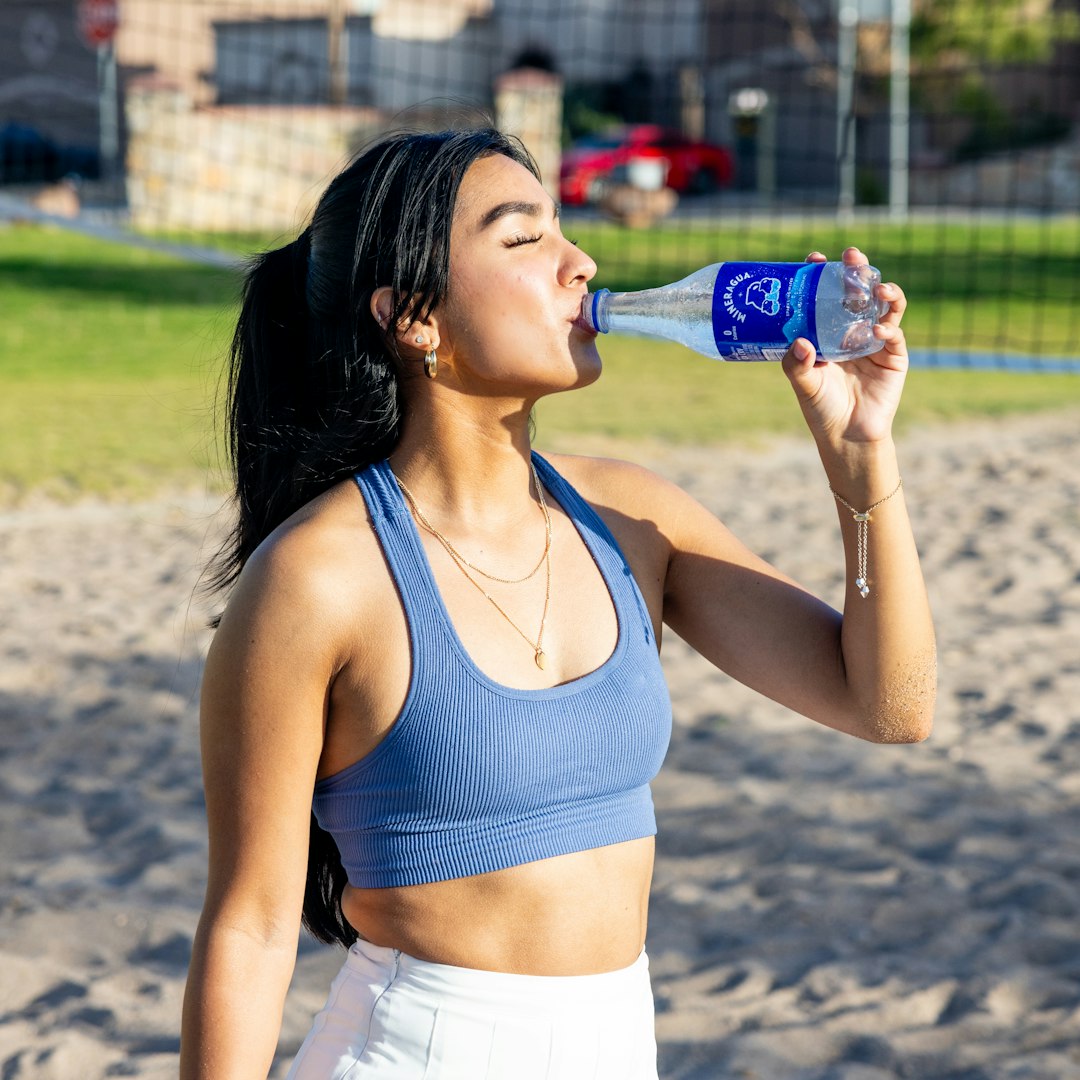
4. Proper Hydration
While fall weather may not seem as intense as summer heat, dehydration is still a major concern. Cold-weather training can suppress thirst and increase fluid loss due to respiratory water vapor loss.
Athletes should:
- Drink water consistently throughout the day
- Begin activity well-hydrated
- Replace fluids post-exercise with a combination of water and electrolyte-rich beverages
Pale yellow urine is a reliable indicator of good hydration status. Sports drinks can be helpful after longer sessions lasting more than an hour, especially to replenish lost electrolytes.
Sample Meal Plan for Fall Athletes
Pre-Workout Meal (2-3 hours before)
- Grilled chicken sandwich on whole-grain bread
- Sweet potato wedges
- Fresh orange juice or a banana
Pre-Workout Snack (30-60 minutes before)
- A banana or apple with 1 tablespoon of peanut butter
- Granola bar with minimal added sugars
Post-Workout Recovery
- Protein shake with 25g protein, almond milk, and oats
- Whole wheat pita with hummus and turkey slices
Dinner
- Baked salmon with quinoa and steamed broccoli
- Mixed green salad with olive oil and lemon dressing
Evening Snack
- Greek yogurt with mixed berries and chia seeds
Nutrient Timing: When You Eat Matters
Nutrient timing is just as crucial as food quality. Eating the right foods at the right time helps maximize performance and speed recovery. Here’s how it breaks down:
- Before activity: Focus on carbohydrates and moderate protein. Avoid high fats and excessive fiber.
- During extended activity: For sessions longer than 90 minutes, include small carbohydrate-rich snacks or sports drinks.
- Immediately post-activity: Eat or drink a protein/carbohydrate combo within 30-60 minutes to kickstart muscle repair and glycogen replenishment.
- Daily consistency: Consistently fueling your body with quality nutrients supports endurance, strength, and immune function.
Seasonal Fall Foods to Include
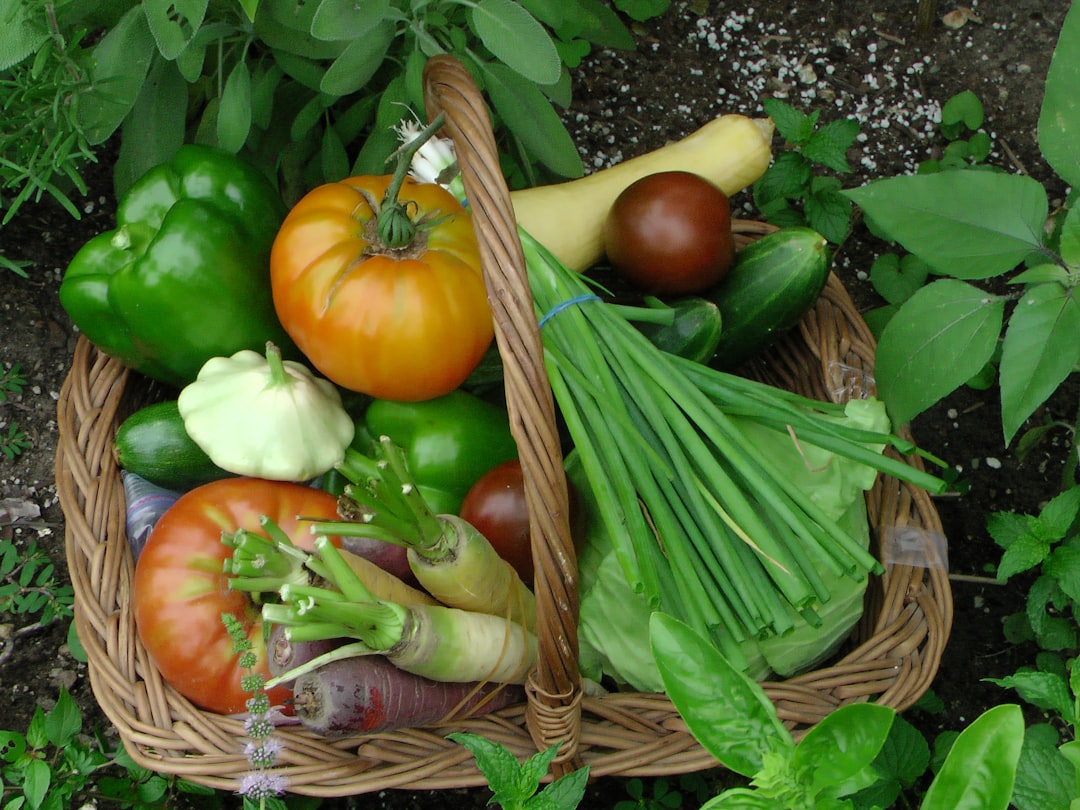
Fall provides a bounty of nutrient-rich foods that naturally support athletic performance. Incorporating local and seasonal options can improve food quality and taste.
Top fall power foods include:
- Sweet potatoes: Rich in carbs, fiber, and vitamin A
- Butternut squash: Anti-inflammatory and good for recovery
- Apples: High in fiber and vitamin C for immune function
- Kale and spinach: Packed with iron and antioxidants
- Pumpkin seeds: Great source of zinc, magnesium, and protein
Building colorful plates with these seasonal staples also supplies critical micronutrients like iron, calcium, and magnesium — all of which are essential for athletic recovery.
Supplements: Are They Necessary?
Qualified, properly planned nutrition typically meets the need of most athletes. In cases of increased demand or deficiency, supplementation might be considered, but always under the guidance of a licensed sports dietitian or healthcare professional.
Common supplements for fall sports include:
- Vitamin D: Reduced sunlight in the fall may lead to lower levels.
- Omega-3 fats: Aid in post-exercise inflammation management.
- Iron: Particularly for female athletes or those prone to anemia.
- Whey protein: Convenient for post-workout recovery, especially when whole food isn’t readily available.
Conclusion
Athletic success in fall sports doesn’t rely solely on skill or effort. Nutrition — the right fuel at the right time — is your foundation for peak performance and faster recovery. Prioritize whole, nutrient-dense foods, keep meals consistent, and don’t overlook the importance of timing. By tailoring your eating habits to the physical demands of your sport, you equip your body to compete, recover, and grow stronger week after week.
For many athletes, adjusting dietary habits during the fall season can make a profound difference in performance outcomes, decreased injuries, and overall well-being. Trust the science, listen to your body, and nourish it with purpose.